
Published on
February 22, 2026
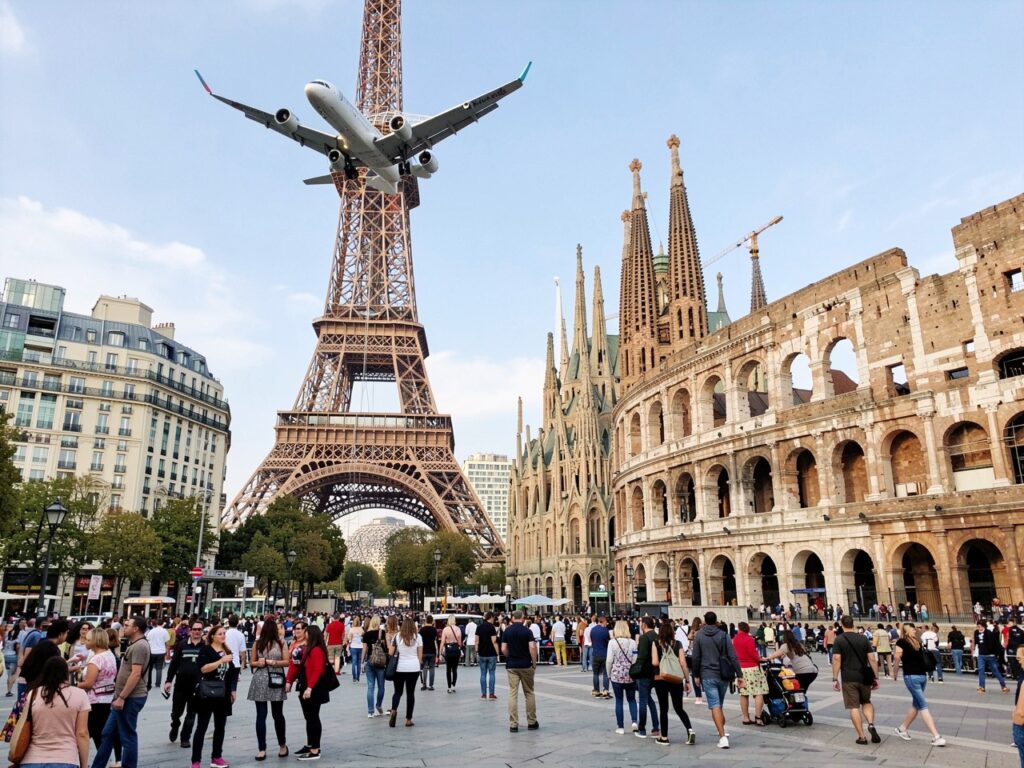
Image generated with Ai
France, Spain, and Italy have joined forces with the USA, Germany, Japan, and Brazil in a new wave of tourism diplomacy, harnessing the power of travel to not only bolster their economies but also strengthen international relationships. This innovative strategy has transformed tourism from a leisure activity into a dynamic tool for fostering global cooperation and economic growth. Through strategic partnerships and diplomatic initiatives, these countries have unlocked new avenues for boosting their airline profits, driving growth in hotel revenues, and creating robust tourism industries that benefit both locals and visitors alike. As global travel surges, airlines like Air France, Iberia, and Delta are capitalizing on increased demand, expanding routes and providing easier access to the world’s most iconic destinations. Meanwhile, hotel chains such as Marriott, Hilton, and Accor are reaping the rewards, offering tourists a range of accommodations to suit all tastes and budgets. This trend isn’t just good for the bottom line—it’s helping to create new connections between cultures, opening up spaces for meaningful dialogue and collaboration across borders. For travelers, it means more flights, better hotel options, and an array of experiences that are more accessible than ever before. So, what’s driving this tourism boom, and how is it changing the way we travel? Let’s take a closer look at the growing impact of tourism diplomacy and its game-changing effects on global travel.
France Joins Spain, Italy, USA, Germany, Japan, and Brazil in Using Tourism Diplomacy to Skyrocket Airline Profits and Hotel Revenues – Find Out How!
Tourism is no longer just an economic driver or a leisure activity; it has become an essential tool in international diplomacy, shaping global connections and transforming travel destinations into global hubs of influence. France, Spain, Italy, the USA, Germany, Japan, and Brazil have all embraced this trend, utilizing tourism as a key strategy to enhance diplomatic relations while boosting their airline and hospitality industries. This shift is not only benefiting the countries involved but also has a significant impact on international tourists, creating more accessible travel options, diverse destinations, and unparalleled experiences.
France Joins Spain, Italy, USA, Germany, Japan, and Brazil in Using Tourism Diplomacy to Skyrocket Airline Profits and Hotel Revenues
Over the past few years, tourism has evolved into a tool for diplomacy and international cooperation. While many countries have long relied on tourism for economic growth, they are now leveraging it to foster better political and cultural ties with other nations. This approach has led to increased investments, greater tourism flows, and even enhanced political collaboration, benefiting not just national economies but the global tourism infrastructure as a whole.
France, for example, has long been one of the world’s most visited countries, attracting millions of travelers each year. However, in recent years, the French government has recognized the added benefits of tourism diplomacy. By improving its relationships with countries like India, China, and Brazil, France has boosted its tourism industry and created a network of diplomatic goodwill. These strategic alliances have led to increased air travel from major carriers like Air France and Delta Airlines, further driving hotel revenues, especially in cities like Paris, Nice, and Lyon.
Similarly, countries such as Spain, Italy, and the USA have witnessed the power of tourism diplomacy in action. Spain, with its Mediterranean allure, and Italy, known for its rich culture and historical landmarks, have implemented tourism programs that cater to international travelers. These diplomatic partnerships have significantly impacted the airline industry, with airlines like Iberia, American Airlines, and United Airlines offering more direct flights and increased routes to destinations within these countries.
Advertisement
Advertisement
In the Americas, Brazil has capitalized on its growing tourism industry by fostering diplomatic relationships with key countries such as China, the UK, and the USA. This has led to a significant increase in inbound flights from airlines such as LATAM and American Airlines, with more affordable and frequent connections to the bustling cities of Rio de Janeiro, São Paulo, and Brasilia.
With these growing tourism inflows, the hospitality industry in these countries has seen tremendous growth. International hotel chains like Marriott, Hilton, and Accor have expanded their properties, offering luxury and budget accommodations to cater to the increasing number of tourists. This expansion has not only provided more choices for travelers but also created thousands of jobs within the hospitality sector.
Advertisement
Advertisement
Spain Joins Italy, USA, France, Germany, Japan, and Brazil in Tourism Diplomacy, Revitalizing Airline and Hotel Sectors
As a key player in international tourism, Spain has made a remarkable impact on the global tourism market. It attracts millions of international visitors annually with its world-class museums, pristine beaches, and vibrant cities like Barcelona, Madrid, and Seville. However, Spain’s ability to attract tourists goes beyond its cultural and natural assets. By leveraging tourism diplomacy, Spain has been able to strengthen ties with countries across the globe, driving tourism inflows and fueling airline profits.
Spain’s partnership with Iberia, its flagship carrier, has played a critical role in this transformation. Iberia has expanded its network of international flights, offering routes from North America, Latin America, and Asia to Spain’s busiest airports. Additionally, Air Europa and American Airlines have increased direct flights to Spain, making it even easier for travelers to access Spain’s rich culture and scenic destinations. This expanded connectivity has allowed Spain to maintain its position as one of the most popular travel destinations in Europe.
The hotel industry in Spain has also benefitted from these diplomatic efforts. With Accor Hotels, Marriott, and Melia expanding their footprints across the country, visitors have an ever-growing selection of accommodations to choose from. The increase in both leisure and business tourism has revitalized the hospitality sector, with hotels experiencing record occupancy rates, particularly in major cities like Barcelona, Madrid, and Valencia.
Italy Uses Tourism Diplomacy to Boost Airline and Hospitality Sectors, Drawing Millions of Visitors Annually
Italy, another tourism powerhouse, has embraced the diplomatic advantages of its rich cultural heritage and picturesque landscapes. As one of the most visited countries in Europe, Italy has leveraged tourism diplomacy to attract millions of travelers from around the world. Through strategic partnerships with countries in the Middle East, Asia, and North America, Italy has seen an influx of tourists, which has translated into higher profits for its airlines and hospitality industry.
Alitalia, Italy’s flagship airline, has capitalized on tourism diplomacy, increasing the number of international routes to key cities like Rome, Milan, and Venice. International travelers can now fly directly to Italy from major hubs in North America, such as New York and Los Angeles, as well as from Asian cities like Tokyo and Beijing. This growth in international air travel has facilitated greater ease of access for tourists, leading to higher hotel occupancy rates across Italy’s famous tourist destinations.
The hospitality sector in Italy has similarly benefitted from the growing number of international visitors. Hotel chains like Accor, Hilton, and Starwood have expanded their presence in Italy, offering tourists a wide range of accommodations, from luxurious five-star hotels to affordable options in Rome, Florence, and the Amalfi Coast. Additionally, Italy’s rural regions, such as Tuscany and Umbria, are seeing increased demand for agritourism and boutique hotels, which offer unique experiences to visitors looking for a more personal touch.
USA Leads Tourism Diplomacy Efforts, Enhancing Airline Connectivity and Hotel Services
The USA remains one of the most popular travel destinations, attracting millions of international visitors each year. From the iconic streets of New York City to the sunny beaches of California, the USA offers a diverse range of experiences that appeal to a wide range of tourists. However, the USA’s success in tourism is not just about its attractions; it is also about the way it has used tourism diplomacy to foster international relations and enhance its tourism infrastructure.
Through tourism diplomacy, the USA has formed valuable partnerships with countries across the globe, encouraging increased air travel and hotel stays. American Airlines, one of the largest airlines in the world, has expanded its routes to major cities in Europe, Latin America, and Asia, connecting international travelers to the USA’s most popular destinations. Airlines such as Delta Airlines and United Airlines have similarly increased their international flight offerings, ensuring that travelers from countries like Germany, Japan, and Brazil have easy access to US cities.
The hotel industry in the USA has experienced similar growth, with chains like Hilton, Marriott, and Hyatt increasing their investments in both urban and rural destinations. Cities like New York, Las Vegas, Orlando, and Los Angeles have seen a surge in visitors, thanks to the expanding air travel options and diplomatic initiatives that have made traveling to the USA more accessible than ever before.
How Tourism Diplomacy Benefits International Travelers: More Flights, Better Hotel Options, and Unique Experiences
For international travelers, the impact of tourism diplomacy goes beyond just the convenience of flying to new destinations. Thanks to the diplomatic efforts of countries like France, Spain, Italy, and the USA, travelers now have access to more flights, better accommodations, and an array of new experiences.
Flight Availability and Connectivity
One of the most significant benefits of tourism diplomacy is the increased availability of flights to key destinations. Airlines like Air France, Iberia, Delta, and American Airlines are offering more routes than ever before, allowing travelers to fly directly to major cities in Europe, Asia, and the Americas. Whether you’re flying from Los Angeles to Paris, Tokyo to Madrid, or Rio de Janeiro to New York, you’ll find a growing number of direct flights, reducing travel time and increasing convenience.
Tourist-Friendly Hotel Options
With the increasing influx of international tourists, countries have also seen a boost in hotel development. Visitors can now choose from a wide variety of accommodations, from luxury resorts and five-star hotels to boutique and budget options. Global hotel chains like Marriott, Hilton, and Accor are expanding their portfolios, ensuring that tourists have access to world-class amenities at affordable prices.
In popular tourist destinations like Paris, Barcelona, and Rome, travelers can enjoy the comfort of international hotel brands. For those seeking something more unique, Italy and France have also seen a rise in agritourism and boutique hotels, offering travelers a more authentic experience that connects them with local cultures.
Cultural and Experiential Tourism
In addition to the traditional attractions, countries embracing tourism diplomacy are focusing on creating more cultural and experiential tourism opportunities for travelers. Whether it’s exploring the vineyards of Tuscany, enjoying a Brazilian Carnival in Rio, or experiencing the rich art history of France, tourists are increasingly seeking meaningful experiences that go beyond sightseeing. This shift in focus has led to the rise of eco-tourism, gastro-tourism, and ethno-tourism, providing travelers with the chance to immerse themselves in local cultures while promoting sustainability and supporting local economies.
Travel Tips for Tourists: Making the Most of Tourism Diplomacy
- Book Flights Early: As airlines expand routes, flight prices can fluctuate. Booking early can help secure the best deals, especially during peak tourist seasons.
- Stay in Central Locations: In popular cities, stay in centrally located hotels to maximize your sightseeing opportunities and minimize travel time.
- Use Local Transportation: Many cities offer affordable public transport passes, allowing you to explore destinations at your own pace without the added expense of taxis.
- Embrace Local Experiences: Try local food, join cultural tours, and explore lesser-known attractions to get the most out of your travel experience.
- Check Visa Requirements: With increasing global cooperation, visa processes may become easier, but always check your visa requirements before you travel to avoid any last-minute surprises.
France, Spain, and Italy, alongside the USA, Germany, Japan, and Brazil, are revolutionizing global tourism by using it as a tool for diplomacy and economic growth. This shift is boosting airline profits and hotel revenues, creating a seamless travel experience for tourists worldwide.
Wrapping Up
As tourism diplomacy continues to gain momentum, countries like France, Spain, Italy, the USA, and Brazil are reaping the benefits in terms of airline growth, hotel revenues, and strengthened international relations. This shift is not only reshaping the global tourism landscape but also benefiting travelers, who now have more flight options, better accommodations, and richer cultural experiences. For the modern traveler, these changes translate into more seamless travel, increased accessibility, and a wealth of opportunities to explore new destinations in ways that were once unimaginable.
