
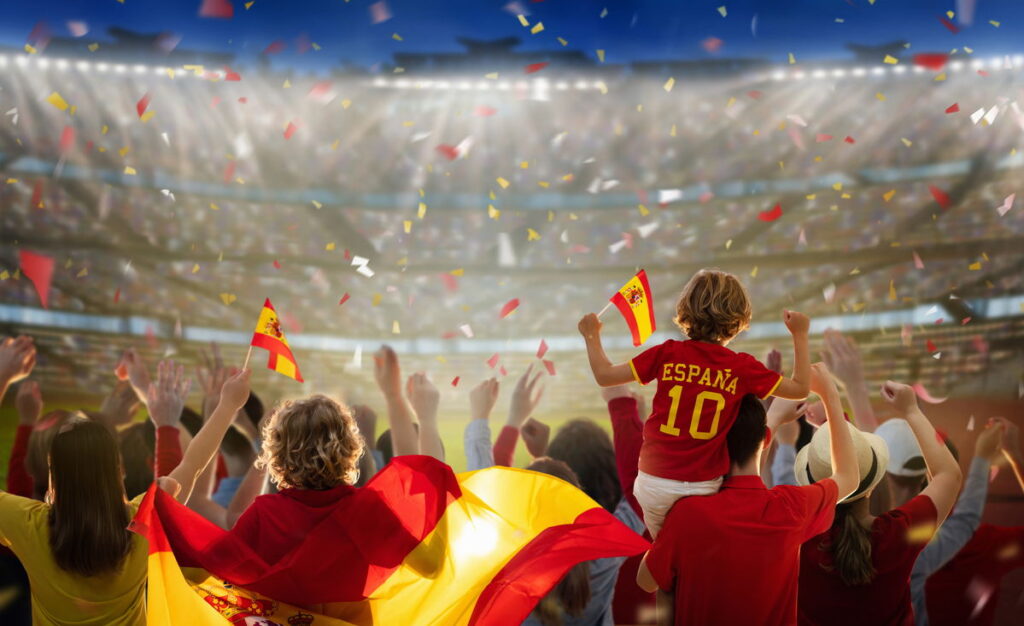
Spain will co-host the 2030 World Cup in a historic multi-country tournament marking 100 years of the competition.
Credit:Shutterstock/FamVeld
Spain is about to step back onto the biggest stage in global sport. The 2030 FIFA World Cup will bring millions of visitors, worldwide attention and a surge of investment, putting the country in the spotlight once again. But this will not just be another football tournament. The impact could begin years before the first match is even played.
For people living in Spain, the effects are likely to stretch far beyond stadiums. Major events like this tend to reshape cities, tourism patterns and infrastructure long before kickoff, meaning the countdown has already quietly begun.
Why the 2030 World Cup will be historic
One reason the 2030 edition is attracting so much attention is its historic nature. The tournament will mark 100 years since the first World Cup in 1930, making it a symbolic centenary event. To reflect that milestone, the competition will be spread across multiple continents, with Spain hosting alongside Portugal and Morocco, while opening matches are expected to take place in South America. It will be the first time the World Cup is staged across such a wide geographic territory, adding to the sense that this is a landmark moment in football history.
Most Read on Euro Weekly News
Infrastructure changes already starting
Large-scale events in Spain often trigger upgrades that remain long after the crowds leave. Authorities are already discussing transport expansions, stadium modernisation, and airport improvements tied to the 2030 timeline.
In cities that regularly deal with overtourism, local councils are also weighing how to balance the economic boost with quality of life. Previous mega-events have shown that transport networks, short-term rentals, and public spaces often undergo rapid transformation in the years leading up to a World Cup.
Tourism boom and price pressures
Spain is already one of the world’s most visited countries, and a World Cup typically pushes those numbers sharply higher. During similar tournaments, host cities have seen hotel prices surge, rental demand spike, and short-term accommodation dominate the market.
That trend could be particularly noticeable in coastal regions and major cities where international fans tend to concentrate. Residents may see higher costs during peak periods, especially around transport, accommodation, and hospitality.
Opportunities for locals and expats
Events like this often create ripple effects across the economy. Temporary jobs, new business openings, and international investment frequently follow major tournaments. For entrepreneurs and freelancers, including many expats, global events can bring new audiences and clients. Spain’s international visibility during 2030 could also boost sectors like real estate, hospitality, and digital services. There is also a softer impact: major sporting events tend to reshape how countries are perceived abroad. For Spain, the World Cup could reinforce its image as a global lifestyle destination.
Will everyday life change?
If past events are any indication, the biggest changes will happen gradually rather than overnight. Residents in host cities may notice construction phases, increased tourism marketing, and shifting travel patterns well before 2030.
During the tournament itself, expect road closures, packed public transport and festival-like atmospheres in major hubs. But once it ends, the long-term legacy often becomes clearer: upgraded infrastructure, renewed international attention, and sometimes lasting economic shifts.
For many people living in Spain today, the 2030 World Cup may feel far away. Yet planning cycles for events of this scale typically begin years in advance, meaning the impact is already quietly unfolding.