
Published on
February 23, 2026
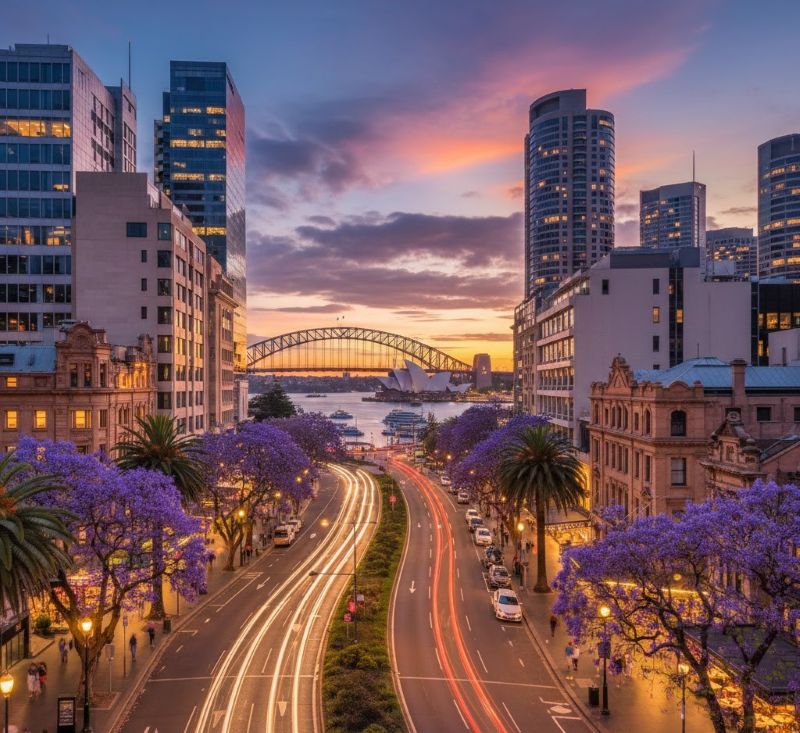
Image generated with Ai
In 2026, Japan is set to maintain its status as a premier travel destination, thanks to its remarkable cultural depth and transport efficiency. The combination of rich traditions and modern advancements makes it an attractive choice for travellers seeking both heritage and convenience. As the travel world shifts towards slow travel, Japan stands out by offering an immersive experience that balances its ancient customs with state-of-the-art infrastructure. This trend is also seen in other destinations like Portugal, Canada, Slovenia, and Australia, which are rapidly gaining popularity for offering unique cultural experiences while ensuring modern comforts. In Japan, travellers can explore its diverse landscapes through regional rail journeys, which allow for a relaxed and enriching exploration of the country. The extended cherry blossom seasons and authentic cultural encounters, such as temple stays and onsen hot springs, provide deeper connections to Japanese culture. Likewise, Portugal, Canada, Slovenia, and Australia are drawing visitors with their combination of natural beauty, cultural heritage, and sustainable travel options. As 2026 approaches, these countries are shaping a new era of travel focused on meaningful experiences and seamless travel, inviting tourists to slow down and engage with the world more thoughtfully.
Japan: A Destination Where Tradition Meets Modernity
In 2026, Japan is expected to remain a top destination for those seeking a harmonious blend of tradition and modernity. Travellers are drawn to Japan not only for its deep cultural roots but also for its state-of-the-art infrastructure. The country’s ability to offer a blend of cultural immersion and modern amenities makes it a prime location for both adventure and relaxation. Visitors are increasingly attracted to regional rail journeys, which allow them to experience the country’s diverse landscapes at a leisurely pace. The extended cherry blossom season also remains a significant draw for tourists, offering a serene atmosphere that appeals to both nature enthusiasts and photographers.
What sets Japan apart from other destinations is its dedication to offering authentic cultural experiences. Whether it’s staying at a traditional ryokan (Japanese inn), relaxing in one of the many onsen hot springs, or visiting sake breweries, the country offers an opportunity to explore its customs in depth. Temple stays and guided meditation retreats are also popular among those seeking spiritual growth and tranquillity. As the shift towards slow travel continues, Japan’s combination of rich history, natural beauty, and modern comfort ensures that it remains a top destination for 2026 and beyond.
Portugal: A Growing Favourite for 2026
Portugal is fast becoming one of the most sought-after travel destinations for 2026. Known for its diverse landscapes and compact size, Portugal provides a unique experience for every traveller. From the sunny beaches of Algarve to the dramatic cliffs along its coastline, visitors are spoilt for choice when it comes to natural beauty. In cities like Lisbon, history is brought to life through its historic districts, while Porto continues to attract visitors with its charming riverside wine lodges, offering an authentic taste of the region’s famous wines.
Advertisement
Advertisement
One of Portugal’s key strengths lies in its ability to seamlessly combine nature and culture. The Douro Valley, with its renowned vineyard cruises, offers a peaceful escape for those looking to immerse themselves in the country’s agricultural heritage. Meanwhile, Madeira’s subtropical gardens provide a stunning natural retreat for those seeking tranquillity. Whether a traveller is looking for adventure tourism, cultural exploration, or simply a relaxing beach holiday, Portugal offers something for everyone. This versatility, paired with its affordability, makes it an increasingly popular choice for global tourists in 2026.
Canada: Where Nature and Comfort Meet
In 2026, Canada will remain a top destination for those seeking to explore nature while enjoying the comforts of modern life. The country is famous for its expansive wilderness, particularly the awe-inspiring Rocky Mountains, where travellers can experience pristine landscapes without the hassle of complicated logistics. Those looking for a more luxurious nature experience can enjoy scenic rail journeys like the Rocky Mountaineer, which provides an immersive and relaxing way to explore the wilderness. The country is also known for its whale watching and wildlife tours, which attract nature lovers from all over the world.
While Canada’s natural beauty is its main attraction, the country’s urban centres, such as Vancouver and Toronto, offer a diverse cultural scene. These cities boast vibrant cultural experiences, ranging from art galleries to fine dining. By offering both outdoor adventure and a thriving city life, Canada caters to a wide range of travellers. Its ability to balance the wilderness and urban culture makes it a prime destination for tourists seeking a well-rounded travel experience. As a result, Canada is poised to continue attracting more visitors in 2026.
Slovenia: A Rising Eco-Friendly Destination
Slovenia is expected to gain more international attention in 2026 due to its growing reputation as an eco-friendly and sustainable destination. This small country offers a rare combination of natural beauty and responsible tourism, making it an ideal choice for eco-conscious travellers. Lake Bled, with its iconic island church, remains one of Slovenia’s most famous attractions. Similarly, Ljubljana’s car-free city centre adds to the country’s peaceful and tranquil appeal, offering a stress-free environment for tourists.
The country is also home to the Škocjan Caves, a UNESCO World Heritage site, where visitors can delve into Slovenia’s remarkable natural history. Beyond its geological wonders, Slovenia is increasingly known for its focus on wellness tourism. Alpine retreats offer guests a chance to enjoy gentle hiking and mindfulness practices, making Slovenia a great destination for those seeking relaxation and spiritual healing. As sustainability becomes a greater priority for travellers, Slovenia’s eco-conscious approach ensures that it will continue to attract visitors in 2026.
Australia: Ideal for Extended Stays
For 2026, Australia remains an attractive option for those seeking long-term travel experiences. The country’s natural beauty, including the iconic Great Barrier Reef and Great Ocean Road, provides endless opportunities for outdoor adventures. The Barossa Valley, renowned for its wine production, has become a growing hub for those seeking immersive wine tourism experiences. Additionally, opportunities for wildlife encounters, from kangaroo sightings to exploring Tasmania’s wilderness, continue to draw in visitors.
Urban destinations like Sydney and Melbourne offer visitors a chance to explore cultural events, such as fine dining and art exhibitions. The relaxed pace of life in Australia makes it ideal for those who want to stay longer and form a deeper connection with the destination. The shift towards extended stays, as opposed to quick, whirlwind visits, is increasingly popular in Australia, where travellers can enjoy both nature and urban life at their own pace. With its wide range of experiences, Australia is expected to grow in popularity throughout 2026 and beyond.
The Rise of Slow Travel: A Focus on Meaningful Experiences
The most significant travel trend for 2026 is the rise of slow travel. This movement encourages tourists to spend more time experiencing local culture and comfort, rather than rushing through a list of tourist sites. The focus is on immersing oneself in a destination’s unique local culture and environment, rather than simply ticking off attractions. Countries like Japan, Portugal, Canada, Slovenia, and Australia provide opportunities for cultural immersion and relaxation, offering everything from temple stays in Japan to hiking in Canada’s wilderness.
Unlike traditional tourism, which focuses on seeing as many sites as possible in a short time, slow travel encourages visitors to explore destinations at their own pace. This trend is in response to the growing demand for authentic and meaningful travel experiences that connect travellers with the people and culture of the places they visit. Slow travel helps reduce the environmental impact of mass tourism and offers benefits for both travellers and destinations. It allows for a more sustainable, responsible approach to tourism.
Global Impact: How Slow Travel is Shaping the Future
The growing trend of slow travel is set to have a profound effect on the global travel industry. As more travellers seek destinations that offer both cultural immersion and natural beauty, countries like Japan, Canada, Portugal, Slovenia, and Australia will likely see a surge in tourism. These countries, with their unique offerings, are well-positioned to cater to the rising demand for authentic experiences and sustainable travel options.
The demand for eco-tourism and wellness tourism is also expected to increase, with more travellers aligning their values with the destinations they choose. Slovenia and Portugal, both focusing on sustainability, are likely to benefit from this shift in consumer preferences. Additionally, slow travel will help alleviate the pressures of over-tourism, as it encourages visitors to spread out across lesser-known destinations, reducing crowding in traditional tourist hotspots.
This shift towards intentional travel will lead to a more balanced and sustainable tourism industry, where quality experiences take precedence over quantity. By focusing on authenticity, cultural exchange, and environmental sustainability, the travel industry will undergo a transformation, making travel more enriching and responsible in the years to come. As travellers seek more meaningful connections with the places they visit, destinations that embrace these trends will play a key role in shaping the future of tourism.
