
Published on
February 25, 2026
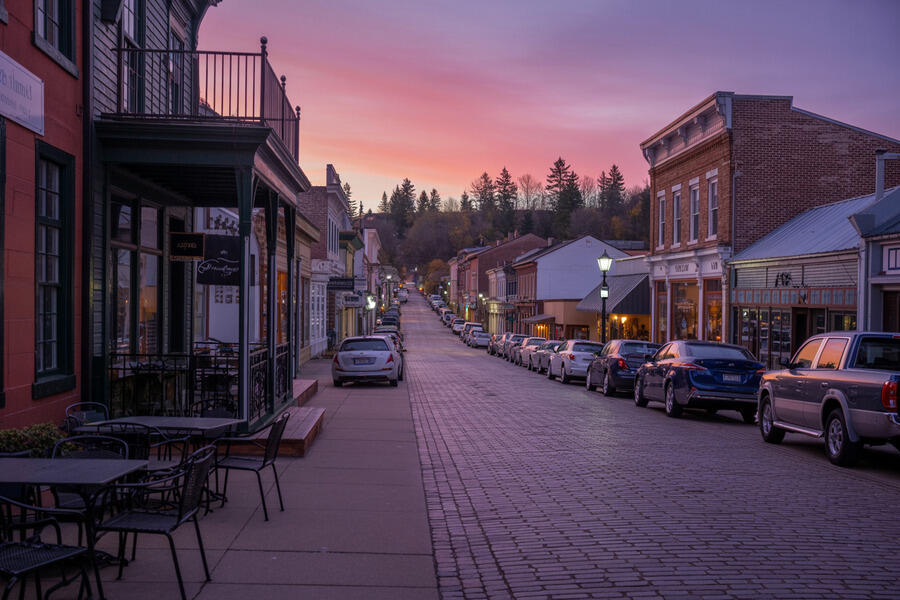
Image generated with Ai
In 2025, Nevada joins Texas, California, Florida, Minnesota, New Jersey, and more in hammering U.S. tourism as international travel to the U.S. continues to decline, largely due to a combination of rising travel costs, restrictive visa policies, and negative perceptions of the political climate. While global tourism booms in other regions, the United States faces a significant downturn, particularly from key international markets like Canada, Germany, France, and the Netherlands. These countries have cut back on U.S. travel, opting for more affordable and accessible destinations, which has caused a ripple effect across the entire U.S. tourism economy, from major cities to small rural towns.
Tourism has always been a vital pillar of the U.S. economy, with international travelers flocking to iconic cities, national parks, and entertainment hubs. However, the year 2025 saw an alarming reversal in this trend. As global tourism surged, the United States experienced a decline in international visitors, marking a stark contrast to the upward trajectory of other major tourist destinations.
A Nationwide Decline: Why U.S. Tourism is Struggling
Nevada, Texas, California, Florida, Minnesota, and New Jersey are among the states hardest hit by the declining tourism numbers, as Canada, Germany, France, Netherlands, and other countries reduced their travel to the U.S. in 2025. This decline is not just a temporary setback but a deepening trend that threatens to reshape the future of U.S. tourism.
Nevada Joins Texas, California, Florida, Minnesota, New Jersey, and More in Hammering U.S. Tourism
Nevada, home to the famed entertainment capital, Las Vegas, was among the first to feel the impact of this dramatic downturn. Tourism, which drives much of the state’s economy, experienced a 7.5% drop in visitors from 2024 to 2025. This decline was particularly noticeable among international tourists, who once flocked to Nevada’s casinos, resorts, and national parks.
Advertisement
Advertisement
Impact on Nevada’s Economy:
- The Stargazer Inn, a popular accommodation in Baker, Nevada, reported a significant loss in business as international visitors who previously traveled to Great Basin National Park opted for other destinations.
- The decrease in foreign spending has affected the hospitality sector, leading to layoffs and a reduction in hours for workers dependent on tourism.
- With fewer visitors, businesses in rural Nevada that rely on foot traffic, such as gas stations, restaurants, and small shops, have seen a decline in sales.
Texas — The Lone Star State Struggles with Fewer International Visitors
Texas, home to bustling cities like Austin, Houston, and Dallas, also saw a decline in tourism numbers in 2025. This state, which relies heavily on both business and leisure travel, was significantly impacted by a drop in international visitors, especially from Canada and Europe.
Tourism Impact in Texas:
- Conventions and trade shows that typically draw global attendees faced lower registration numbers, as many potential international visitors chose to skip the U.S. due to growing travel restrictions and a shift in global travel patterns.
- Tourism businesses in Austin, known for its music and arts scene, and San Antonio, home to the famous Alamo, reported fewer international bookings in 2025.
- Airlines operating out of Texas faced a decline in international routes as airlines scaled back services due to weak demand.
California — The Golden State Loses Its Shine
California, home to world-famous attractions such as Disneyland, the Golden Gate Bridge, and Yosemite National Park, also faced tourism declines in 2025. This is despite the state being a key destination for international travelers, particularly from Europe and Asia.
Advertisement
Advertisement
California’s Struggles:
- International visitor numbers dropped by significant margins, particularly from Canada, Germany, and the United Kingdom, countries that have historically been strong source markets for California tourism.
- Major theme parks such as Disneyland and Universal Studios saw fewer international tourists, resulting in lower revenue and fewer high‑spending visitors.
- San Francisco and Los Angeles, iconic cities known for their cultural and entertainment offerings, faced weak growth, with many tourists opting for destinations in Mexico or Europe that were perceived as more welcoming and affordable.
Florida — Sunshine State Faces Challenges as Canadians Stay Away
Florida, traditionally one of the most visited states by international tourists, was also hit hard by a 15% drop in Canadian visitors to the U.S. in 2025. For Florida, which relies heavily on tourism from Canada, this represented a significant financial blow.
Tourism Decline in Florida:
- Theme parks in Orlando, including Disney World and Universal Studios, saw a sharp decrease in visitors from Canada.
- Hotel bookings along the Gulf Coast and in Miami were down, with many international travelers choosing more accessible destinations, like the Caribbean or Europe.
- Snowbird tourism, where Canadians flock to Florida during the winter months, was dramatically reduced, impacting local economies in Florida’s beach towns.
Minnesota — A Struggling Tourism Economy
Minnesota, known for its natural beauty and cultural attractions, has also been affected by the decline in international tourism. The state saw fewer visitors from Europe, Canada, and even parts of Asia.
Impact on Minnesota’s Tourism:
- Local art festivals and music events that typically attract international crowds saw lower attendance, with fewer travelers making the journey to Minnesota’s cultural hubs.
- Restaurants and retail stores in downtown areas experienced a significant downturn in sales, as fewer tourists visited for shopping or dining.
- Even Minnesota’s famous natural parks and lakes, which draw outdoor enthusiasts, saw fewer international bookings for guided tours and park accommodations.
New Jersey — A Tourism Crisis Along the East Coast
New Jersey, particularly its coastal regions and the vibrant Jersey Shore, also faced a significant tourism downturn in 2025. Despite its proximity to New York City, which usually boosts nearby tourism, New Jersey’s international visitors fell drastically.
Tourism Impact in New Jersey:
- Popular spots like Atlantic City and Cape May saw decreased bookings, with fewer visitors from Germany, France, and Canada.
- Boardwalk shops and restaurants along the shore reported a drop in sales, with fewer international travelers choosing to visit New Jersey.
- The business tourism sector also struggled, as international conferences and trade events saw lower attendance.
Countries Pulling Back from U.S. Travel: Why Are They Avoiding the U.S. in 2025?
As international arrivals to the United States declined, several key countries were identified as leading contributors to the downturn. Countries like Canada, Germany, France, and the Netherlands, which have historically been significant sources of tourists for the U.S., showed clear reductions in travel to American destinations.
Canada — A Key Source Market Turns Away
Canada, traditionally one of the United States’ top feeder countries for tourism, dramatically reduced its travel to the U.S. in 2025. This decline is attributed to multiple factors, including visa issues, higher travel costs, and a strained political relationship between the two countries. Many Canadians opted for more affordable and accessible destinations closer to home or within the European Union.
Germany — Reduced Travel Amidst Rising Costs
Germany, another critical market for U.S. tourism, also saw a significant decline in the number of visitors traveling to the U.S. in 2025. With higher flight prices, tighter visa policies, and a general unwelcoming political climate, German tourists have been increasingly choosing other destinations in Europe or Asia.
France — The Effect of Political Tensions
France, traditionally one of the strongest sources of international tourism to the U.S., showed signs of pulling back in 2025. Political instability, higher travel costs, and restrictive travel policies played a key role in France’s reduced presence in U.S. tourism numbers. French travelers have been drawn to nearby European destinations, where visa processes are smoother and travel costs are lower.
Netherlands — A Shift in Travel Preferences
The Netherlands, a key European market for U.S. tourism, also saw a decline in travel to the U.S. in 2025. Negative perceptions of the U.S. political climate, coupled with rising travel costs and increased visa requirements, led many Dutch travelers to choose alternative destinations in Southern Europe or the Caribbean.
The Ripple Effect on Local Businesses
The decline in international tourism is not just impacting major cities; small businesses across the U.S. are also feeling the financial strain. In rural towns, like those near Great Basin National Park in Nevada, businesses that rely on foreign visitors are seeing revenue dip, forcing many to scale back operations. Smaller accommodations, restaurants, and shops are reporting significant drops in income, as international tourists — once a key demographic — are now looking elsewhere.
What Needs to Change?
To reverse this trend, a multi‑faceted approach is required. Policy changes that improve visa access and make travel to the U.S. more affordable would help restore international interest. Additionally, marketing campaigns aimed at highlighting the U.S. as a welcoming and accessible destination could help address the negative perceptions that have taken hold abroad.
In 2025, the decline in U.S. tourism was a wake‑up call. States like Nevada, Texas, California, Florida, Minnesota, and New Jersey have all experienced significant losses in international visitors. Meanwhile, countries like Canada, Germany, France, and the Netherlands continue to pull back, citing political and economic factors that have made the U.S. a less attractive destination.
In 2025, Nevada joins Texas, California, Florida, Minnesota, New Jersey, and more in hammering U.S. tourism as international travelers from key markets like Canada, Germany, France, and the Netherlands continue to reduce their visits due to higher travel costs, restrictive visa policies, and the unwelcoming political climate in the United States.
To recover, the U.S. will need to reassert itself as a welcoming, affordable, and easy‑to‑visit destination. Addressing political tensions, lowering travel costs, and easing visa restrictions will be key to regaining foreign interest and ensuring that the tourism industry remains a vital part of the U.S. economy for years to come.
