
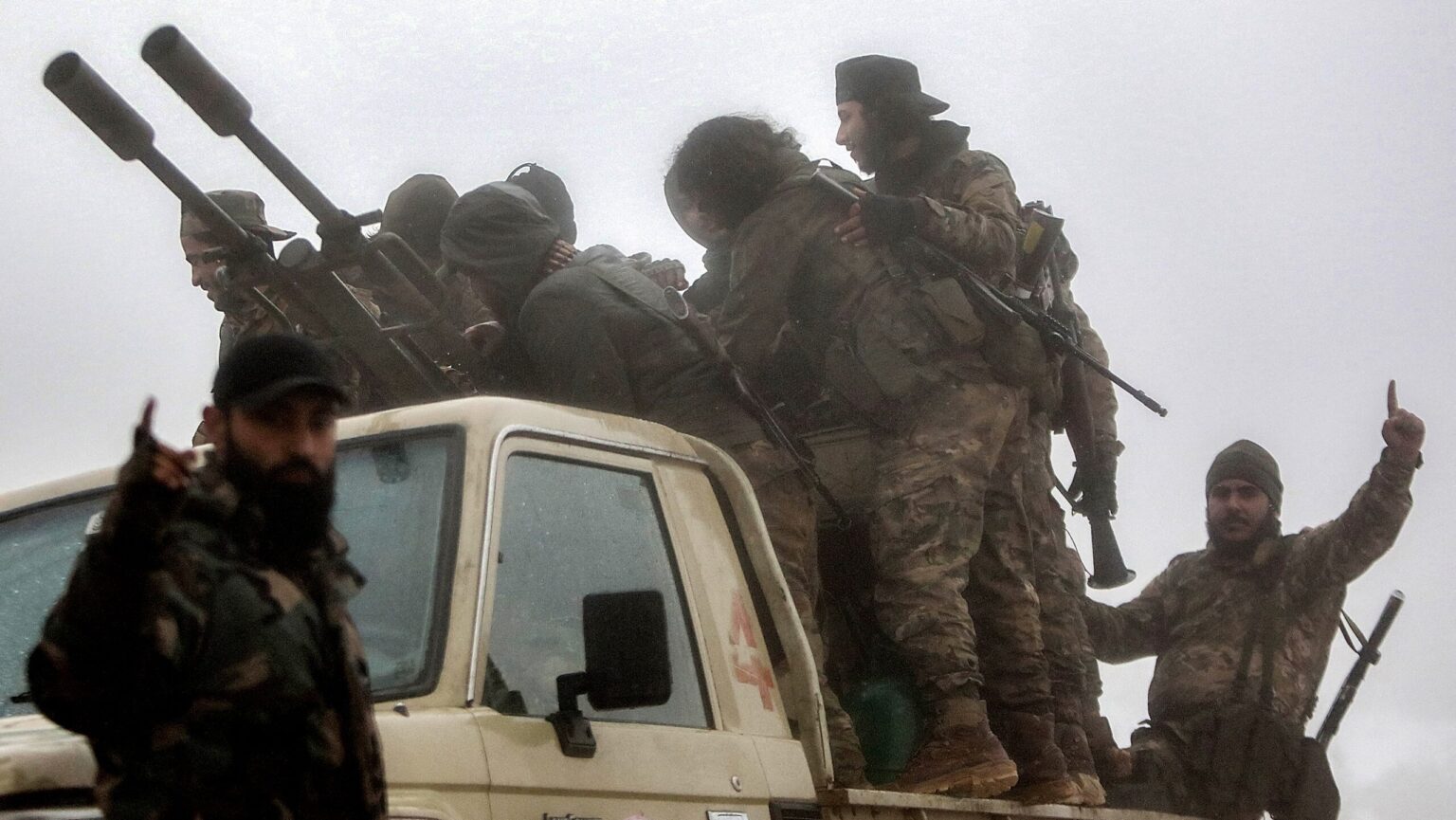
In reporting by Ahmad Al Kwaider and Waseem Abu Mahadi, Hezbollah’s once-brazen footprint in Syria is being squeezed into something smaller, quieter, and harder to pin down: cells, smugglers, and cheap rockets instead of battalions and bases. For years, the group moved through Syria like a second army—open supply lines, visible positions, and a central role in keeping Bashar Assad in power. In the post-Assad landscape, Syrian officials describe a very different threat profile: deniable operations near Damascus, drones and Katyusha rockets, and allegations that weapons are coming in from Lebanon.
A February 1 announcement by Syria’s new government—saying it dismantled a cell accused of firing rockets into Damascus’ Mezzeh district—captures the new pattern. Hezbollah’s media relations office flatly denied any presence or activity in Syria, a denial that also serves a purpose: admitting anything could invite a direct confrontation with Syria’s new authorities and hand Israel more justification for strikes.
The pressure is coming from multiple directions. The Lebanese army has moved against cross-border smuggling routes and said it closed additional illegal crossings along the roughly 233-mile Lebanon-Syria border. It also uncovered another large Hezbollah tunnel in the south, with a senior American official saying US intelligence helped locate it. At the financial level, US Treasury sanctions targeted a Turkey-based company tied to shipping Iranian fertilizer through Oman and a gold trading firm linked to Hezbollah’s finance apparatus.
Analysts interviewed in the piece argue that the big strategic loss is the land corridor: without unimpeded movement across Syria, Hezbollah shifts from a structured military force with reliable supply routes into a network reliant on smuggling and limited access. Israeli officials cast expanded activity in southern Syria as preventive; critics see an effort to shape the new order.
Meanwhile, Damascus is trying to reassert centralized control after years of fragmentation, watching for sleeper cells that could activate if regional dynamics shift. The end state is murky, but the direction is clear: Hezbollah’s influence isn’t gone—it’s gone to ground.
For the full texture of the claims, denials, and strategic stakes, read the complete report by Al Kwaider and Abu Mahadi.