
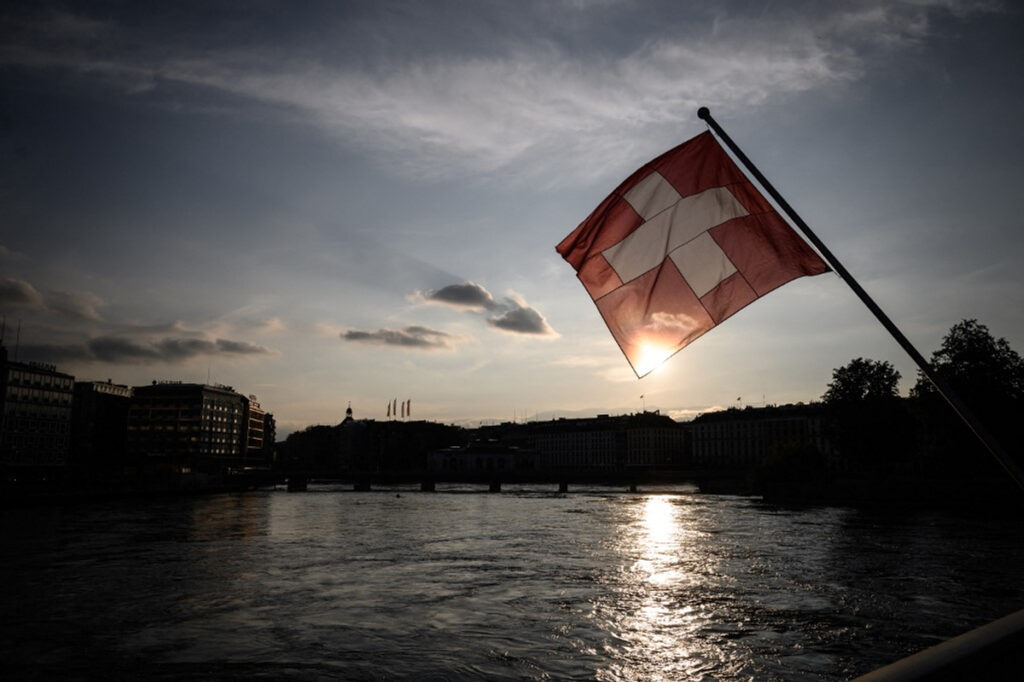
Switzerland took a step towards fully implementing EU sanctions against Russia on Wednesday, when the government announced a complete ban on the purchase and import of Russian liquefied natural gas (LNG).
On Oct. 23, 2025, the EU passed its 19th package of sanctions against Russia. Targeting Russia’s military industrial base, energy and financial sectors, it was aimed at pressuring Moscow to come to the table to negotiate an end to Russia’s full-scale war in Ukraine.
Follow our coverage of the war on the @Kyivpost_official.
In a press release, Switzerland’s Federal Council said it would implement the complete ban on the purchase and import of Russian LNG from April 25 – with the exception of pre-existing long-term supply contracts, for which a transition period will apply until the end of 2026.
“The measure aims to reduce Russia’s revenues from the sale of fossil fuels, which are a major source of funding for the war against Ukraine,” the statement reads.
Other EU-aligning measures will also come into force this week, the Swiss government said – for example, a total prohibition on providing cryptocurrency services to Russian citizens and companies, and a ban of transactions involving certain rouble-backed cryptocurrencies.
A government list of goods that “contribute to Russia’s military and technological strength” has also been expanded to include metals used for the production of Russian weapons and products used to manufacture fuel.
Other Topics of Interest
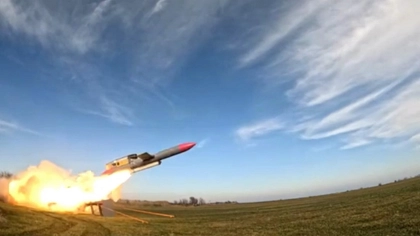
Zelensky Says All ‘Flamingo’ Missiles Hit Target in Strike on Sanctioned Russian Missile Plant
The president confirmed that all “Flamingo” long-range missiles successfully struck Russia’s sanctioned Votkinsk missile plant in the Udmurt Republic, at a range of 1,400 kilometers.
The EU sanctions package also included new measures against Belarus, a close ally of Russia – some of which the Swiss government also decided to fully implement on Feb. 25. These include the “extension of service bans, a tightening of certain trade restrictions and measures relating to cryptocurrencies,” the government said.
Russian diplomats accredited in the EU will also be required to provide advance notice before entering Swiss territory.