
26
Feb 2026
The European Union approved an asylum overhaul that creates a bloc-wide “safe countries of origin” list and tightens rules for rejecting asylum claims.
Adopted by the Council in Brussels, the change aims to speed up processing and make asylum decisions more consistent across member states.
Safe list goes live
The new EU asylum overhaul creates a common list of “safe countries of origin,” naming Bangladesh, Colombia, Egypt, India, Kosovo, Morocco, and Tunisia. Nationals from those countries will now face faster reviews of their asylum applications across all 27 EU member states.
The Council of the European Union adopted the measure on February 23 in Brussels as part of the bloc’s broader Migration and Asylum Pact. Officials said that the list will apply starting June 12, when other parts of the pact take effect.
Nicholas Ioannides, Cyprus’ deputy minister for migration and international protection, said that the agreement marks “a concrete step towards” putting the pact into practice. He added that the goal is to create “faster, more consistent asylum procedures” across the bloc.
The law also sets conditions. EU candidate countries will be considered safe unless they are experiencing armed conflict, face EU sanctions over human rights concerns, or have asylum approval rates above 20 percent in member states.
Tougher third-country rules
The overhaul also revises the “safe third country” concept, which allows governments to reject an asylum claim without fully examining it if the applicant could have sought protection in a non-EU country deemed safe.
Under the updated rules, member states can apply the concept if an asylum seeker has a connection to a safe third country, passed through it before reaching the EU, or if the EU has an agreement with that country. A prior connection is no longer required in every case.
The Council said that the revision gives governments more flexibility to declare claims inadmissible. Officials argued that this will reduce backlogs and prevent repeated applications across different countries.
Migration pact takes shape
The safe countries list and third-country changes are part of a larger package approved in 2025 after years of debate over how to manage migration.
The Migration and Asylum Pact aims to create shared standards for border screening, asylum processing, and responsibility-sharing among EU states. It also allows for “return hubs” outside the EU for rejected asylum seekers, under certain conditions.
EU officials said that the reforms respond to pressure from governments facing rising arrivals and political backlash at home. In recent years, migration has been a central issue in elections across Europe.

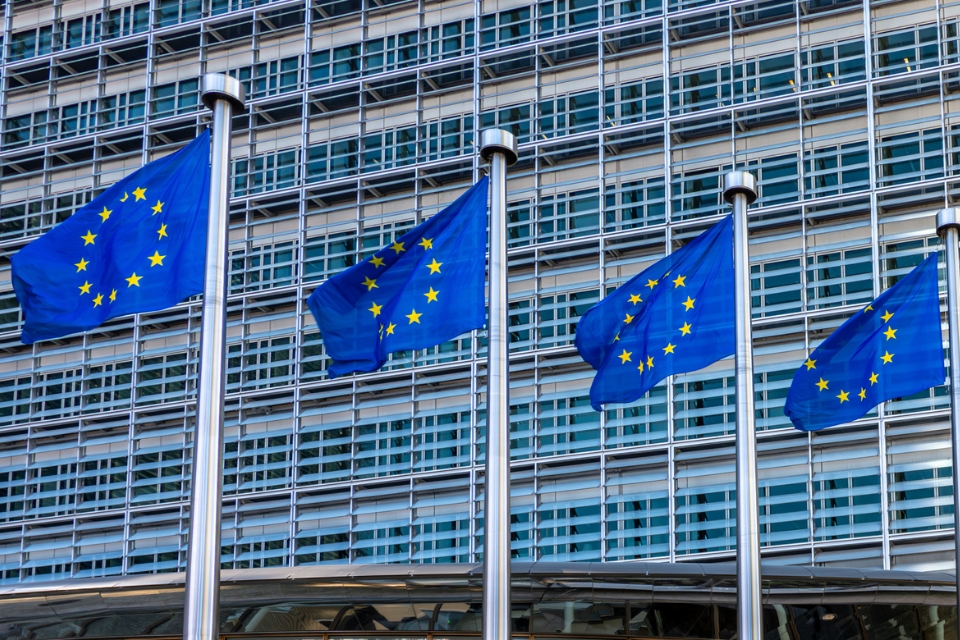
(Image courtesy of Christian Wasserfallen via Pexels)
Rights groups push back
The changes have drawn criticism from human rights organizations and some lawmakers in the European Parliament.
Nearly 70 rights groups said in a joint letter that the reforms risk expanding detention and enforcement powers. They warned that obliging member states to “detect” undocumented migrants could lead to racial profiling and police raids in public spaces.
Michele LeVoy of PICUM, a network that advocates for undocumented migrants, said, “We cannot be outraged by ICE in the United States while also supporting these practices in Europe.” She called on lawmakers to reconsider elements of the package.
The Council of Europe’s commissioner for human rights, Michael O’Flaherty, also cautioned against weakening legal protections in the name of migration control.
In an interview with Politico, he said that changing how the European Convention on Human Rights is interpreted “is going to have no impact on migratory flows.”
O’Flaherty warned that limiting protections for certain groups could create a dangerous precedent. “Once you mark out one group within society for lesser protection of human rights, you create a dreadful precedent,” he said.
EU leaders defend reforms
EU officials rejected claims that the overhaul strips away basic rights. The Council said that the measures are designed to make procedures more uniform and efficient while maintaining access to protection for those who qualify.
Governments will still be able to maintain their own national lists of additional safe countries beyond the EU-wide list. Each asylum application must still be assessed individually, even if it comes from a designated country.
Supporters argued that clearer rules would discourage people from filing claims in multiple countries and reduce long waiting periods in reception centers. They said that faster decisions can benefit both asylum seekers and host communities.
Politics in the background
Migration policy has become a flashpoint across Europe, with far-right parties gaining ground in some countries. Calls for stricter controls have shaped national debates in France, Germany, Italy, and the Netherlands.
In December, EU states approved measures allowing for easier removal of rejected asylum seekers and the creation of processing centers outside EU territory. The European Commission followed with a five-year strategy focused on tighter border management and diplomatic agreements with non-EU countries.
Critics said that the political climate has pushed policy toward deterrence. Supporters argued that governments are responding to voter concerns about irregular arrivals and strained public services.
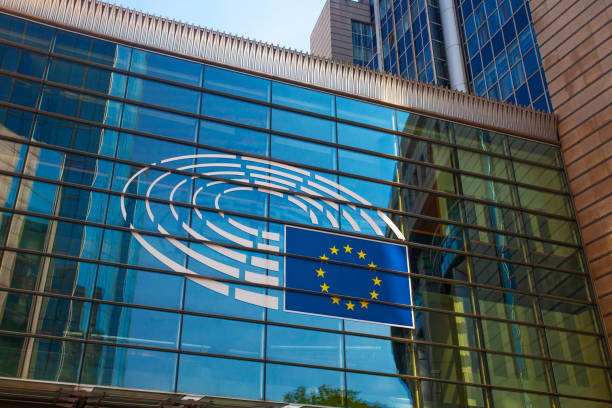
(Image courtesy of al_la via iStock)
Digital borders tighten checks
The EU asylum overhaul rolls out as the bloc upgrades its border technology through the Entry/Exit System (EES) and the European Travel Information and Authorization System (ETIAS).
The EES, which became operational on October 12, 2025, digitally registers non-EU nationals each time they cross the external borders for short stays of up to 90 days within a 180-day period.
The system records entries, exits, and refusals, using biometric data to track overstays. This helps authorities identify people who remain beyond their allowed period in the Schengen Area.
ETIAS, set to start operations in the last quarter of 2026, will require travelers from 59 visa-exempt countries to obtain a travel authorization before entering 30 European countries for short stays. The authorization is valid for up to three years and allows visits of up to 90 days within any 180-day period.
Both systems focus on short-term travel rather than asylum. Asylum seekers who apply at the border or within EU territory are processed under separate rules.
Still, tighter digital tracking of entries and exits may affect how quickly authorities can determine whether someone overstayed a visa or entered legally before filing an asylum claim.
The asylum overhaul and the new border systems operate side by side, shaping how the EU screens, registers, and processes non-EU nationals.
June rollout ahead
The safe countries list and revised third-country rules will start applying on June 12, alongside other elements of the pact. Member states are now preparing administrative changes to align their national systems with the new framework.
Officials said that coordination between national asylum offices will be central to making the system work. The European Commission is expected to monitor implementation and report on progress.
As the June deadline approaches, both supporters and critics are watching closely to see how the EU asylum overhaul plays out in practice, from border screening to final decisions on protection claims.