
Published on
February 27, 2026
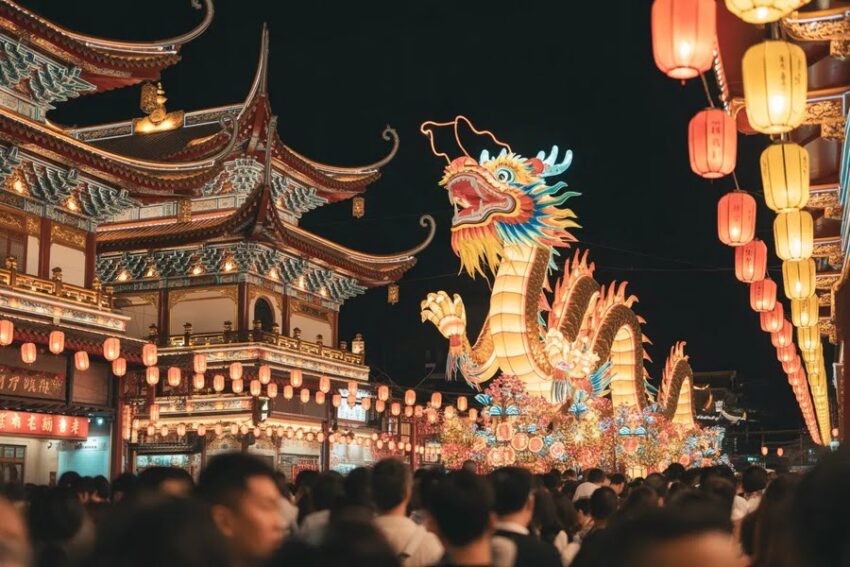
Image generated with Ai
China’s Spring Festival tourism in Shanghai has made a remarkable impact on the global tourism landscape, with significant growth in both visitor arrivals and spending. According to recent data, Shanghai witnessed a 20.9% surge in tourism spending and an 8.36% increase in visitor arrivals, solidifying its status as a prime destination for global travelers. This surge not only highlights the appeal of Shanghai during the festival but also underscores the city’s vital role in linking international markets, including Slovenia, Greece, and beyond. The influx of tourists has generated substantial economic growth, fueling local businesses and contributing to Shanghai’s broader tourism revival.
Shanghai has rolled out over 2,570 cultural and tourism activities during the Spring Festival, aiming to drive travel demand and enhance the city’s tourism industry. This effort has resulted in a notable increase in visitor arrivals and tourism spending, contributing significantly to the city’s economy.
According to data from the Shanghai Municipal Administration of Culture and Tourism, the city saw more than 21.67 million visitors during the Spring Festival period, representing an 8.36% increase in visitor arrivals compared to the previous year. At the same time, tourism spending experienced a substantial rise, with total expenditure reaching 25.61 billion Chinese yuan. This marks a 20.9% increase in tourism consumption compared to last year, reflecting the growing appeal of Shanghai as a major tourist destination during the festive period. With 100 Chinese yuan being equivalent to RM56.53, the economic impact is far-reaching, benefiting various sectors across the city.
The successful promotion campaign integrated cultural, tourism, commercial, sports, and exhibition resources from all corners of Shanghai, ensuring that a diverse range of activities were available to tourists. The campaign focused on innovation and transformation, creating a variety of new products and experiences that encouraged people to engage with Shanghai’s rich cultural heritage during the Spring Festival. The combination of these factors played a key role in stimulating tourism consumption throughout the city.
Advertisement
Advertisement
One of the highlights of this year’s Spring Festival activities was the introduction of more than 130 themed tour routes. These routes offered both local residents and international visitors the opportunity to explore Shanghai’s diverse cultural landmarks and hidden gems. With the popularity of niche markets growing, inbound tourist arrivals from countries like Greece and Slovenia doubled. This surge reflects the increasing interest in Shanghai’s unique blend of Jiangnan culture and modern attractions, with visitors eager to experience the city’s fusion of ancient traditions and contemporary urban life.
Furthermore, Shanghai’s “Hu Xiaoyou” smart travel platform facilitated the launch of 353 themed activities through collaborations between multiple departments. These initiatives attracted a wide range of visitors, from science enthusiasts to those interested in industrial tourism. The emphasis on science popularization and industrial tourism reflects Shanghai’s efforts to diversify its tourism offerings and appeal to a broader audience. Through the integration of technology, the city was able to offer tourists a more interactive and engaging experience, helping them discover new aspects of Shanghai’s culture and history.
Advertisement
Advertisement
In addition to these themed tours and smart travel initiatives, several key cultural and commercial landmarks in the city played host to unique Spring Festival events, such as fairs and garden parties. These events provided an innovative way for tourists and locals alike to celebrate the Chinese New Year, while also promoting Shanghai’s status as a world-class cultural hub. The fairs featured traditional performances, cultural displays, and arts and crafts, creating a festive atmosphere that attracted large crowds. Many of these events also showcased contemporary cultural trends, ensuring that there was something for everyone, whether they were interested in traditional customs or modern artistic expressions.
For the first time, Shanghai also hosted large-scale concerts during the holiday period, further enhancing the city’s cultural offerings. These performances attracted fans from across the country and highlighted Shanghai’s position as a cultural destination that can host major events. The city’s ability to bring together diverse forms of entertainment – from music to art – helped create a dynamic and vibrant Spring Festival celebration that appealed to both domestic and international visitors.
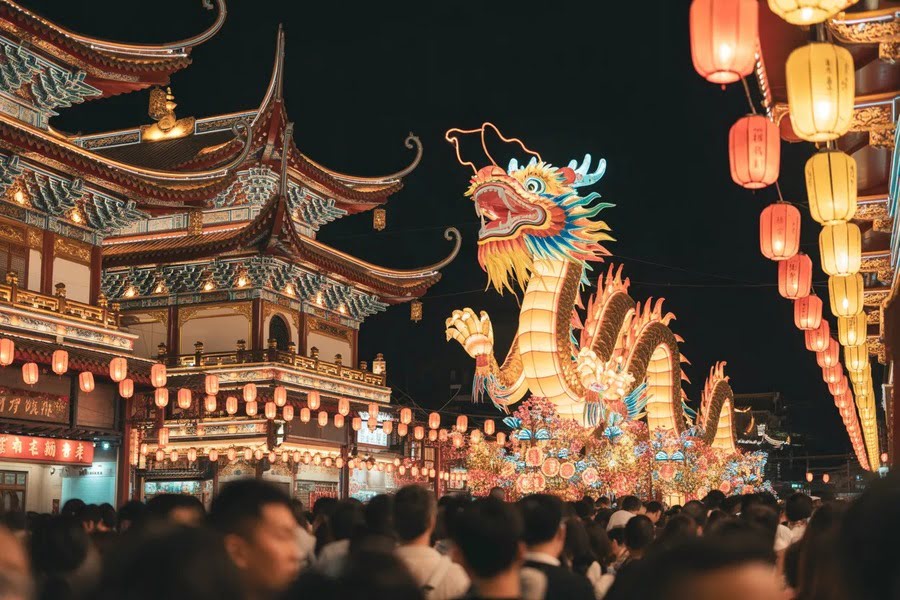
The city’s Spring Festival celebrations also featured an extensive lantern show campaign that illuminated major public spaces throughout Shanghai. The lantern displays were designed to evoke the spirit of the Chinese New Year, with colorful and intricate designs representing various aspects of Shanghai’s cultural heritage. These spectacular light installations created a visually stunning atmosphere and served as a major draw for tourists, adding to the overall festive ambiance in the city.
Beyond the city’s bustling urban center, Shanghai’s suburban areas also contributed to the success of the Spring Festival celebrations. Cultural heritage fairs were set up in ancient towns on the outskirts of the city, allowing visitors to experience more traditional Chinese New Year celebrations. These events were designed to showcase local crafts, food, and customs, providing an authentic glimpse into Shanghai’s cultural past. Similarly, urban cultural complexes also hosted cultural experiences, where visitors could explore art exhibitions and watch live performances.
The city’s high-end hotels also participated in the Spring Festival activities, offering special one-stop stay packages that combined accommodation, dining, and cultural experiences. These packages were designed to attract both domestic and international tourists who sought a luxurious and immersive holiday experience. By offering a seamless combination of hospitality and culture, these hotels further cemented Shanghai’s reputation as a top destination for both leisure and business travelers.
Looking to the future, Shanghai is committed to continuing its efforts to integrate cultural and tourism resources across the city. The city’s government plans to accelerate the development of innovative tourism products and services that cater to the evolving needs of travelers. By focusing on innovation and enhancing the overall tourism experience, Shanghai aims to maintain its position as a leading cultural and tourism destination in China and beyond.
Shanghai’s Spring Festival tourism has seen a remarkable 20.9% increase in spending and an 8.36% rise in visitor arrivals, driving significant economic growth. This surge has not only strengthened Shanghai’s global tourism appeal but also connected countries like Slovenia and Greece to China’s thriving economy.
As Shanghai moves forward, it is clear that the city’s ability to combine traditional Chinese elements with contemporary trends will be a key factor in its ongoing success as a global tourism hub. The city’s rich cultural heritage, combined with its modern infrastructure and innovative tourism offerings, ensures that Shanghai will remain a top destination for visitors from around the world, attracting millions of tourists each year. With a strong focus on creating new experiences and enhancing tourism consumption, Shanghai is well-positioned to continue its growth as a dynamic and vibrant city.
