
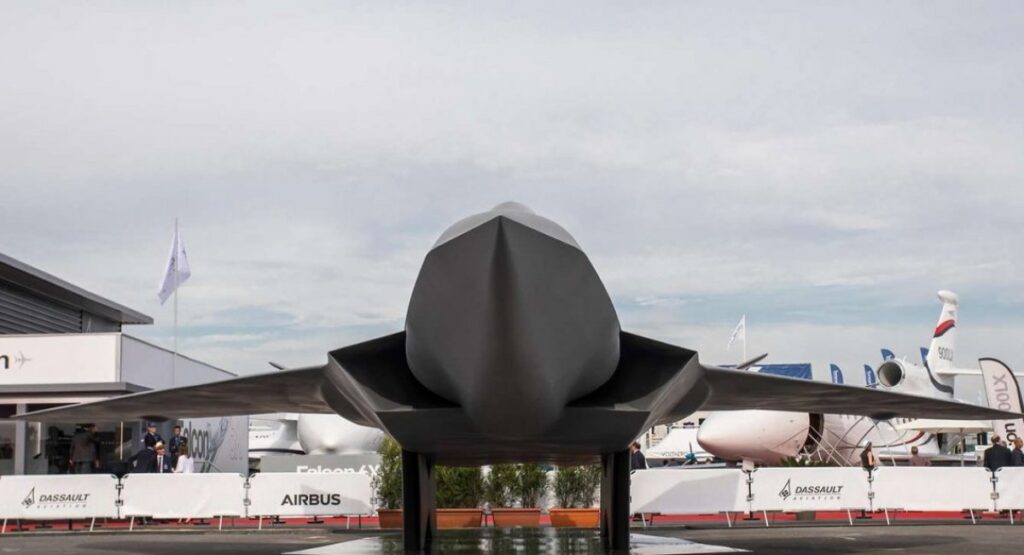
Against the backdrop of the European FCAS sixth-generation fighter program’s collapse, talk has begun about participants seeking other partners. Among these is France’s proposal to replace Germany with India.
Various media, particularly Indian and Asian outlets, began spreading such information. Though this may seem strange from the outside, these countries may genuinely have more in common than it appears.
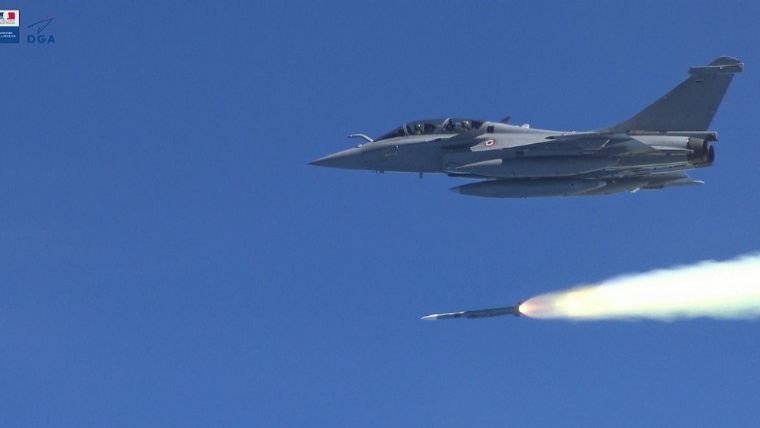 Meteor missile launch from Indian Air Force Rafale / Photo credit: MBDA
Starting with the fact that India, like France, needs not just a new-generation fighter but a corresponding carrier variant for aircraft carrier operations. The French Rafale and Rafale M were actually purchased for this purpose.
Both countries’ industries also actively cooperate. Localization of combat aircraft has proven not as simple as it seemed. At the same time, engine manufacturer Safran will work on the engine for India’s fifth-generation AMCA fighter.
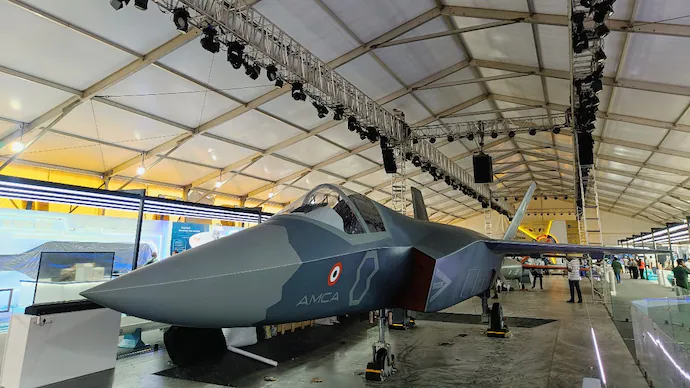 AMCA fighter mockup / Photo credit: IndiaToday
For France, the benefit here would primarily be attracting additional funding. Though the country has repeatedly stated the possibility of independently creating a new generation of aircraft, this requires funds that could come from India.
However, not everything is so good, as the French industry is quite seriously determined to take most of the work itself. For the Indian side, this could be a problem, as it could limit the level of technology transfer and involvement of its enterprises.
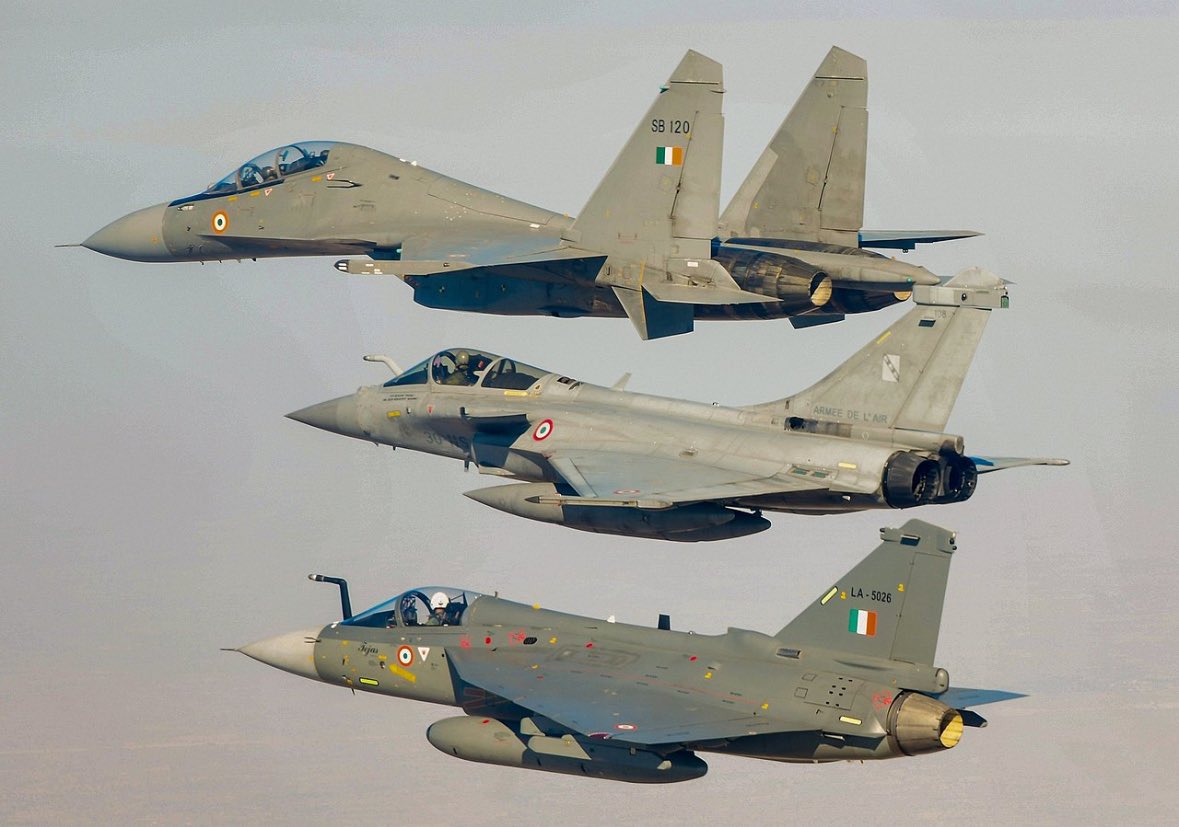 Indian Air Force fighters from top to bottom: Su-30MKI, Rafale, Tejas / Open source photo
Regarding India itself, it actively cooperates in defense and aircraft construction with russians. This includes Su-30MKI modernization, potential Su-57 procurement, and deployment of Sukhoi Superjet 100 localization. This presents a serious security threat and technology leak risk.
Finally, it should be said that although Germany falls short in fighter development competencies compared to France, it still has a quite powerful industry with active experience of successful work in this direction. An example is the Eurofighter Typhoon, produced together with Italy and the United Kingdom.
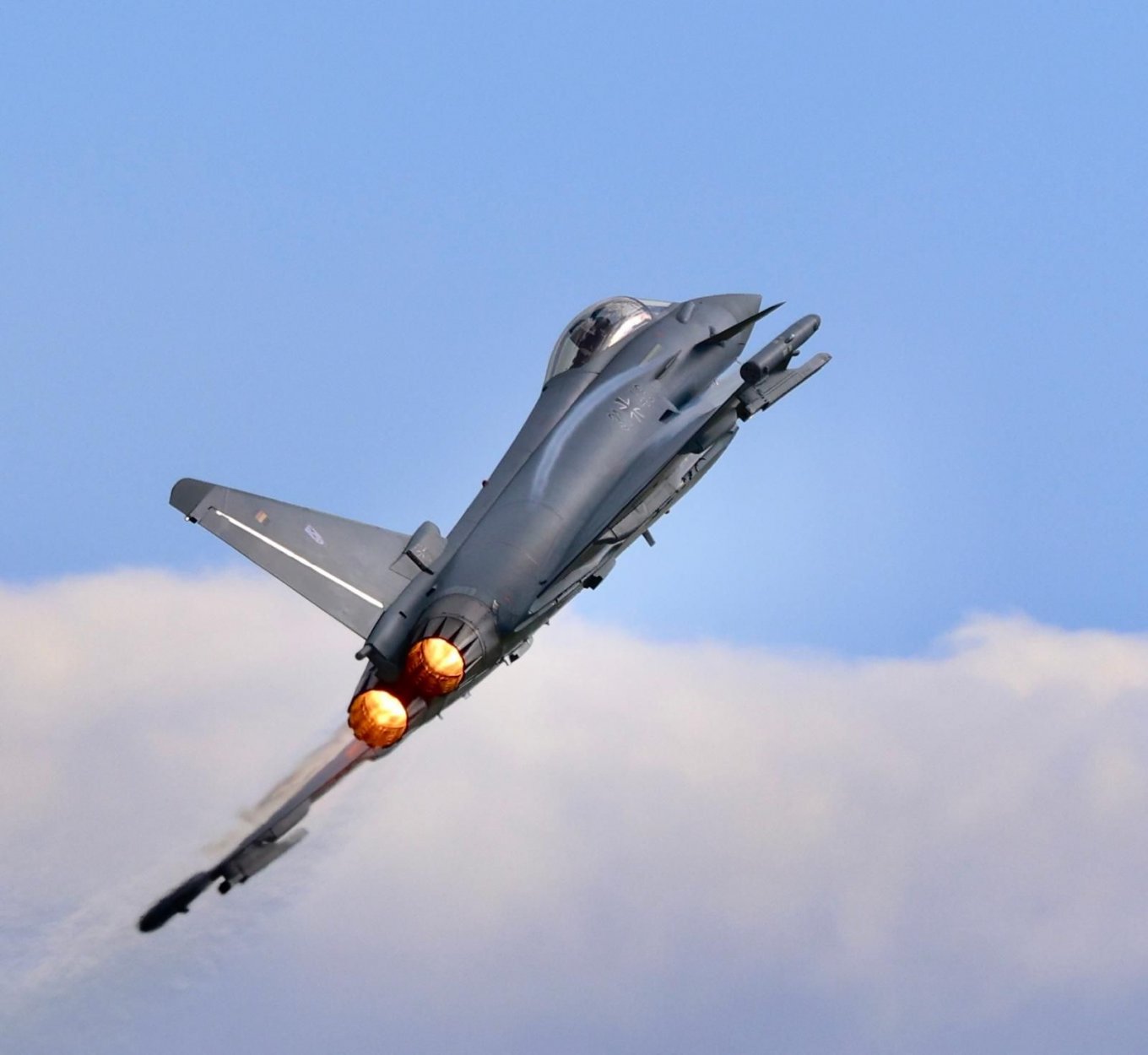 European Eurofighter Typhoon fighter, in which Germany participates in production / Photo credit: Eurofighter GmbH
At the same time, while India has its own Tejas fighter, its production has been constantly limited by problems, with recent crashes raising reliability doubts. Whether it can fill the role of a German-level partner is quite a big question.
Making a definitive conclusion about whether Franco-Indian partnership on FCAS will occur is currently impossible, as arguments exist both for and against. However, this possibility could be used as a political move against Germany, which has begun talking about separation and independent development.
Read more: Ukrainian Naval Aviation Helicopter Downs Eight Shahed and Gerbera Drones Over Sea (Video)