
LILONGWE, Malawi — Malawian communities are increasingly aware of climate change and their rights in the face of its impacts, but women remain largely excluded from meaningful decision-making despite being routinely included in climate discussions, according to a new study by the Civil Society Network on Climate Change, writes Abraham Bisayi.
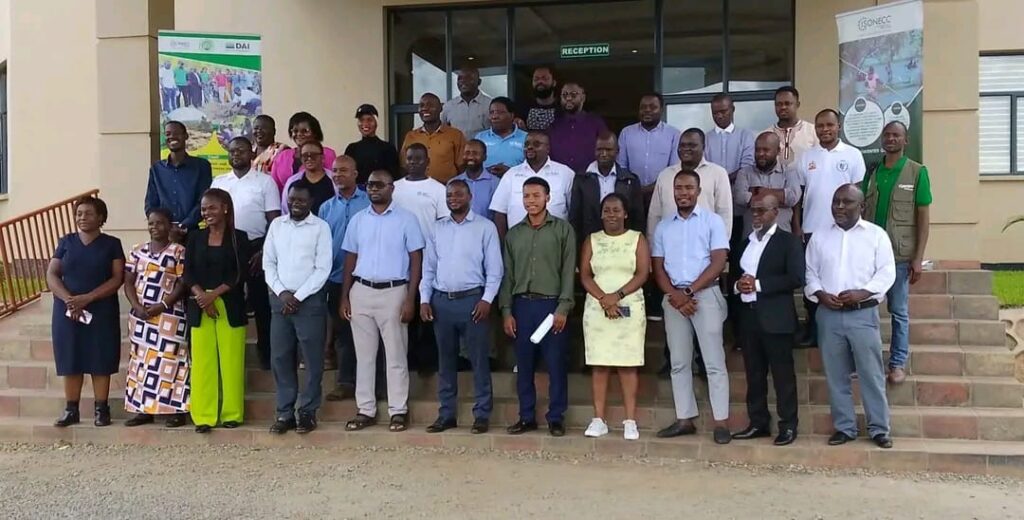
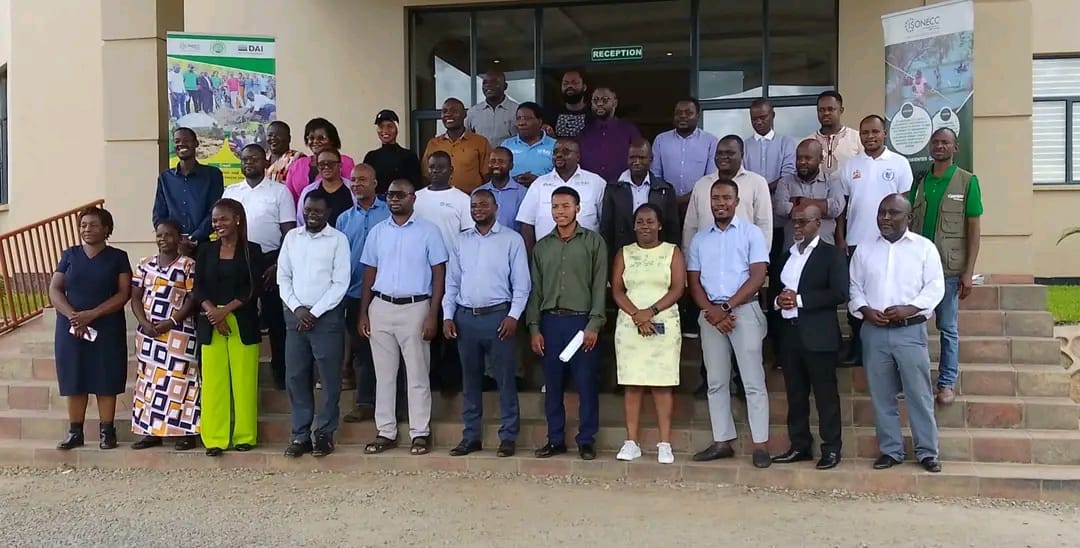
The findings were presented at a stakeholder validation workshop for the network’s endline study on knowledge, attitudes and practices related to climate injustices in Malawi. The workshop sought to validate recommendations and assess progress since a 2024 baseline assessment conducted in Dowa District.
The research paints a picture of a country making strides in climate literacy while struggling to translate awareness into equitable participation — particularly for the women who bear a disproportionate burden of climate impacts.
The study was conducted under the Climate Justice Communities program, a seven-district initiative launched in 2023 and implemented in Karonga, Salima, Machinga, Neno, Zomba, Phalombe and Chikwawa.
The program, supported by the Scottish Government through DAI Global UK and Oxfam Malawi, is scheduled to conclude later this year.
While the research documented meaningful gains in community understanding of climate change issues and individual rights, it identified a persistent disconnect between women’s presence in climate discussions and their actual influence on outcomes.
Women are often invited to the table, the study found, but their perspectives are not adequately reflected in the policies and decisions that emerge from those conversations.
CISONECC National Coordinator Julius Ng’oma said the findings should compel the government to take a more active role in protecting citizens’ climate-related rights.
“It is time for the government to take ownership of the process of safeguarding communities in terms of human rights issues,” Ng’oma said.
He called for a more deliberate approach to translating the study’s recommendations into action, questioning at what level awareness efforts should be scaled.
“The Government of Malawi has a big role to play, since it represents the people. It must ensure that citizens’ rights are protected,” Ng’oma said.
Community representative Anjiru Mlenga from Liwonde in Machinga District stressed the importance of valuing women’s perspectives to achieve climate justice in Malawi.
This message resonated with the study’s central finding on the gap between inclusion and influence.
Fred Simwaka, deputy director in the Ministry of Gender, Community Development and Social Welfare, acknowledged the challenge and said the study is expected to improve the integration of women’s and marginalized groups’ voices in environmental decision-making.
Simwaka called for deliberate approaches, such as focus group discussion,s to ensure that both men’s and women’s perspectives are consolidated in shaping climate-related policies.
“It is crucial to ensure that women’s contributions are considered,” Simwaka said, signalling government awareness of the disparity even as advocates push for faster progress.
With the Climate Justice Communities program set to end later this year, the study’s findings carry added urgency.
The recommendations emerging from the validation workshop will help determine whether gains in climate awareness and rights literacy translate into lasting institutional change — or fade with the program’s conclusion.
For CISONECC and its partners, the message is clear: awareness without equity is an incomplete victory, and Malawi’s climate response will remain inadequate until the voices of its most vulnerable citizens carry real weight in the rooms where decisions are made.