
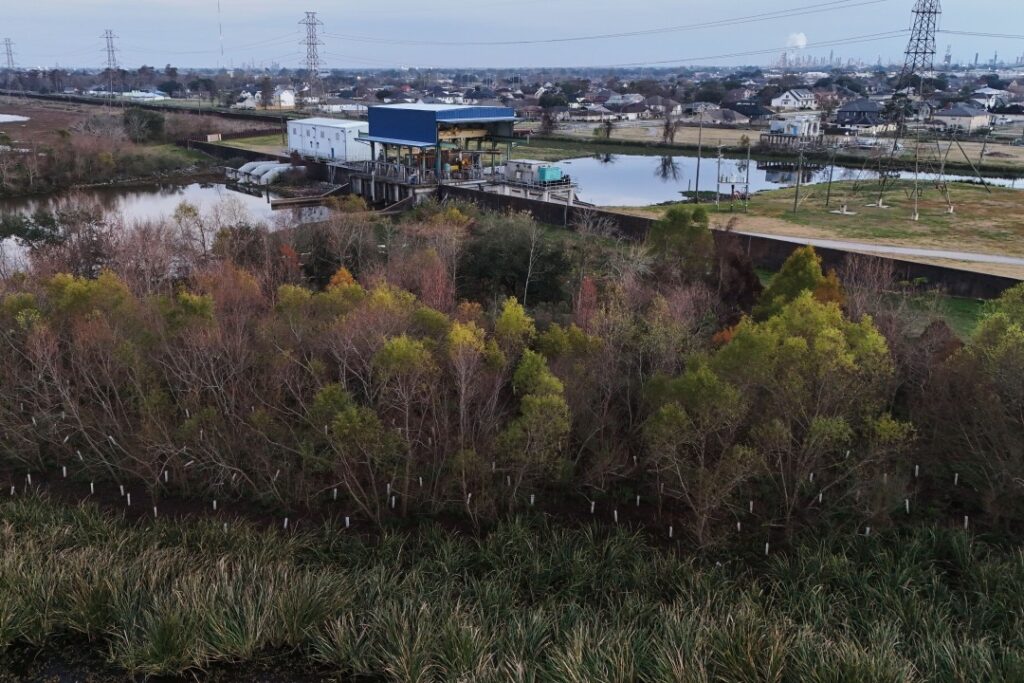
Methane sleuths are trading oil fields for wetlands, and what they’re finding in places like a Louisiana swamp has big implications for climate math. The New York Times follows scientists Gage Hunter and Manab Dutta as they probe a bog near New Orleans for methane, a heat-trapping gas far more powerful than carbon dioxide in the short term at warming up the environment. While fossil fuel operations remain a major methane source, researchers now say microbes in wetlands, farms, and landfills are responsible for most of the recent global increase in methane emissions.
Recent studies back up these findings. Wetlands are estimated to emit more methane each year than the entire oil, gas, and coal sector. The Times lays out a central tension: Wetlands lock away carbon dioxide but also leak methane, and warming speeds up the bacteria that produce it. That complicates climate pledges that largely ignore natural methane sources and coastal restoration plans that could unintentionally boost emissions. The Times piece also explores new satellite and field tools, as well as the uncertainty around how much methane is really coming from industry versus nature. More here.