
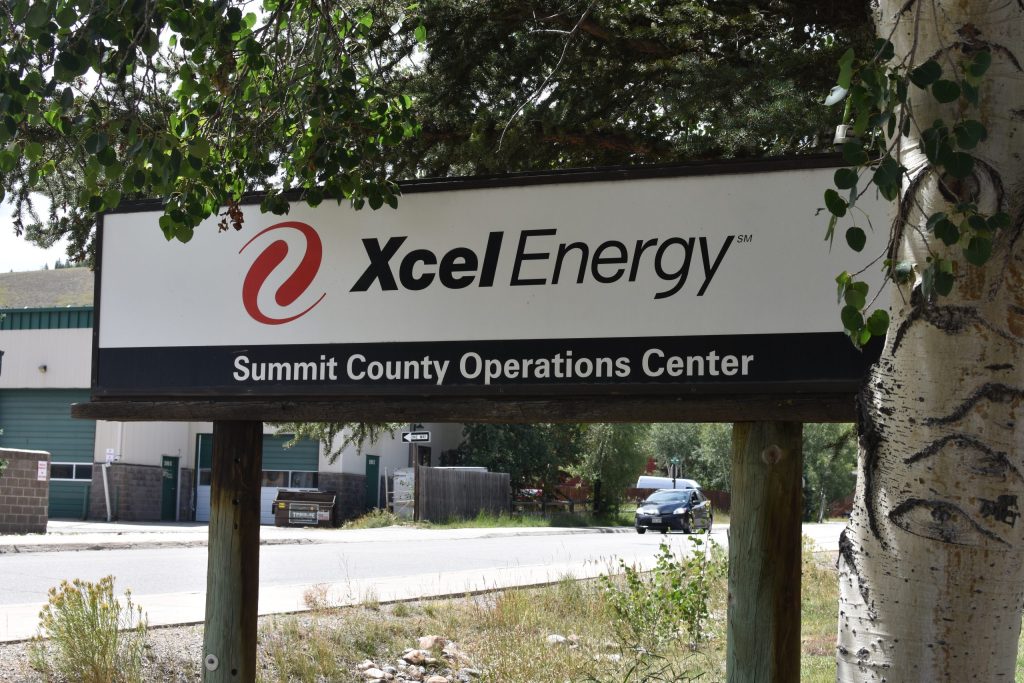
Dear Eartha, what is the Mountain Energy Project and how does it impact me?
If you’re a regular reader of the Summit Daily News, you might have seen the Mountain Energy Project mentioned in multiple articles over the past year. Now that Xcel Energy has launched its Mountain Energy Project incentive programs, it’s a good time for an explainer about what the Mountain Energy Project is, what it isn’t and how it could benefit you.
The pipeline problem
Most of us don’t give a second thought to where the natural gas we use for heating and cooking comes from. The truth is, there are nearly 60,000 miles of natural gas distribution pipelines across Colorado that bring gas to our communities and our homes. And when it comes to Xcel’s Eastern Mountain Gas System, which serves customers in Eagle, Grand, Lake, and Summit counties, the existing pipeline isn’t big enough to meet peak customer demand.
Imagine there’s an extreme cold snap across Summit County during a holiday weekend when visitation is high. Everyone cranks their heat. There’s more demand for gas than the pipeline can deliver, and as a result, the pressure in the pipeline drops. If the pressure gets too low, the entire system faces risk of an outage. During a gas outage, no gas appliances would work – not your furnace or boiler, not your water heater, not your stove, not your fireplace. And it would likely take days for the system to be safely turned on again. In short, a gas outage would be very, very bad.
Keep in mind this is a peak demand problem, not a “normal winter day in Summit County” problem. Nevertheless, Xcel is obligated to ensure that a gas outage doesn’t happen. And the solution is the Mountain Energy Project.
The non-pipeline solution
You might wonder, why not build a bigger pipeline? Xcel considered new pipelines, but they were not cost-effective. Instead, Xcel’s cost-benefit analysis showed that it was far less expensive to reduce gas demand by offering big incentives for energy efficiency and electrification. So, the Mountain Energy Project is the portfolio of programs designed to reduce natural gas use in Summit County and other communities impacted by the constraint. That’s why you’ll see the Mountain Energy Project also called a “non-pipeline alternative” or NPA program.
Xcel did receive approval to store tanks of liquified and compressed natural gas that can be quickly injected into local pipelines if pressure drops. These sites are short-term fixes that will only be in place until we all reduce our gas usage enough to render them unnecessary.
Your participation matters
This is exactly why our participation is vital to the success of this project. Xcel has boosted its incentives for energy efficiency and electrification for customers who heat with natural gas – now we have to participate. So, what are the options?
- Energy efficiency: No matter how you heat your home, air-sealing and insulation improvements are some of the most cost-effective ways to save energy.
- Existing gas appliance upgrades: If you have a non-condensing gas furnace or boiler, there are new incentives for replacing your equipment with a higher-efficiency model.
- Electrification: The best way to decrease gas use? Don’t use it at all! Xcel has dramatically increased its rebates for cold climate heat pumps and heat pump water heaters. You must remove your existing boiler or furnace to qualify.
Full rebate details and amounts can be found on Xcel’s website. Now, a quick word on what the Mountain Energy Project isn’t. It’s not a natural gas ban. Xcel isn’t requiring anyone to install a heat pump. And if you have a gas fireplace, you don’t have to remove it. But if you’ve got an old boiler that needs to be replaced soon? Well, these rebates could make it less expensive to replace your boiler with a heat pump. Even better, they can be stacked with incentives from the state and the High Country Conservation Center. That means some Summit County residents could get more than $20,000 off the cost of installing a new heat pump.
Lunar New Year started a few weeks ago; according to the Chinese zodiac, we’ve entered the year of the fire horse, which is associated with fast-paced change. Maybe the transformational change the fire horse brings to Summit County is that 2026 also becomes the year of electrification.
Ask Eartha Steward is written by the staff at the High Country Conservation Center, a nonprofit dedicated to waste reduction and resource conservation. Submit questions to Eartha at info@highcountryconservation.org.
 Jess Hoover