
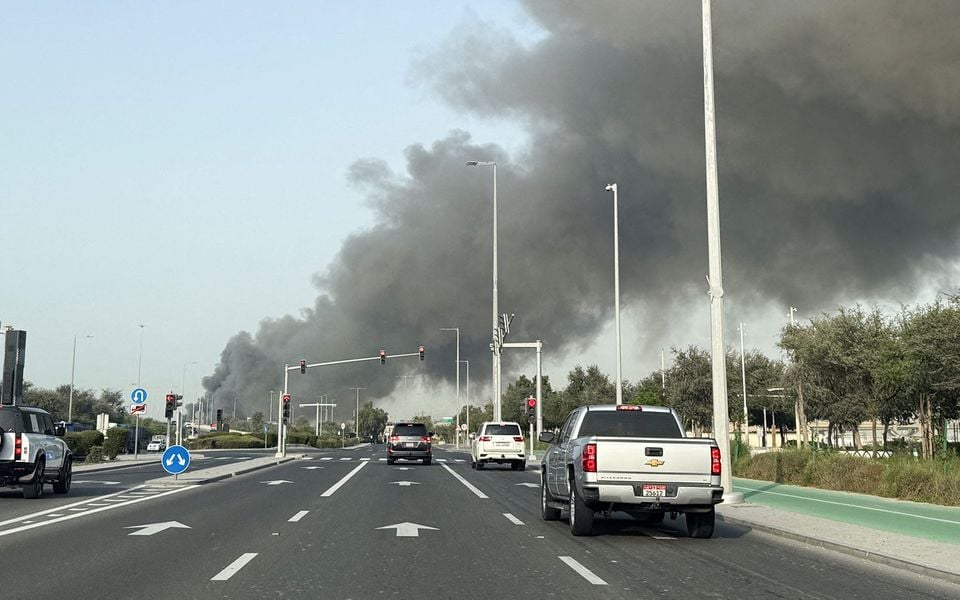
For years, the Middle East has been described through the language of fracture. Conflict zones. Proxy wars. Collapsing states. Yet here in the Gulf, and especially in the United Arab Emirates, a different narrative took hold. Stability. Efficiency. Ambition. A belief that even amid regional disorder, it was possible to chart a different trajectory, to pave the way toward a more stable and generous future.
Abu Dhabi became synonymous with planning rather than improvisation. With infrastructure rather than rubble. With innovation rather than despair. People from across the world came here to work, to build, to test themselves and succeed together. It cultivated belonging, investing in youth, knowledge, and possibility. It fostered a confidence that felt earned rather than proclaimed.
It was also a place where policymaking could be observed almost as a craft. Flexible yet disciplined. Experimental yet strategic. Institutions were built, adjusted, refined. Governance did not feel theatrical. It felt intentional. To watch that process was a reminder that the state can still function with competence and imagination.
In many ways, this place has resembled a modern ark. Diverse. Layered. Hopeful. A convergence of global citizens from countries rich and poor building lives together. The shock of what is unfolding here is not regional and certainly not local. These communities are now experiencing firsthand what hardened geopolitics feels like. And that experience will travel. It will reverberate far beyond this coastline.
And then the bombs fall.
It is one thing to analyze geopolitics from a distance, to speak of deterrence, escalation ladders, strategic signaling, calibrated retaliation. It is another to sit at home, phone in hand, watching alerts multiply, calculating distances on a map, wondering whether to stock up on groceries, whether schools will open, whether flights will leave.
When geopolitical analysis becomes lived reality, its vocabulary collapses.
Families here are not debating doctrine. They are calming children. Scanning supermarket shelves. Texting relatives abroad. Realizing that departure, in a moment of regional shutdown, is not simple. Authorities move quickly to reassure residents that systems are functioning, defenses activated, contingencies in place.
The instability is not internally generated. It is the spillover of wider confrontation. Which is precisely why the shock cuts deeper. When safety has been the baseline, its sudden fragility is both maddening and humbling.
For the strongest players in the Gulf, and especially the United Arab Emirates, the aspiration was clear. To anchor stability in a region marked by volatility. To project competence rather than chaos. To invest in education, culture, renewable energy, artificial intelligence. To become crossroads of capital, ideas, and mobility. The promise was not merely economic. It was existential. That one could live expansively, in confident openness, securely.
How quickly the horizon narrows.
There is a growing normalization of strategies in which weapons and attacks are treated as routine instruments of statecraft. Infrastructure becomes leverage. Shipping lanes become bargaining chips. Energy corridors become pressure points. The line between military signaling and diplomatic coercion blurs. Once that threshold is crossed, it rarely contracts. It expands.
Centers of power speak of necessity, red lines, deterrence. But the lived reality of those within range of missiles is fear, uncertainty, and vulnerability. The map looks orderly from afar. Up close, it is populated by parents, workers, students, retirees negotiating the fragile routines of ordinary life.
Those accustomed to secure and well-organized societies internalize safety as baseline, mobility as entitlement, connectivity as permanent. We forget how contingent these conditions are.
For many societies, instability is not interruption. It is structure. Perhaps this moment offers us a more honest proximity to that reality.
None of this flattens responsibility. The United States, Israel, Iran, and regional powers operate within distinct security logics. Yet one sobering reality remains. When force becomes a primary currency of political communication, the threshold for its use lowers. The exceptional becomes routine. The outcome grows precarious.
From Abu Dhabi this week, geopolitics is no longer abstraction. It is audible. It is logistical. It is personal.
Abu Dhabi will do its utmost to keep everyone hopeful and feeling safe. Systems will function. Reassurances will come. Stability here is cultivated, not accidental. A return to calm is in everyone’s interest.
But in this suspended moment, as alerts replace routine, we are given something rare. Time to reflect. To reconsider. To reckon, individually and communally, with the fragility of what we so casually call normal life.
And that should compel policymakers and citizens alike to ask what kind of normal we are willing to accept, and whether we are surrendering the very conditions that make ordinary life possible.
Sophia Kalantzakos is Global Distinguished Professor of Environmental Studies and Public Policy in the Sheikh Mohamed bin Zayed Scholars Program (SMSP), New York University Abu Dhabi.