
Published on
March 2, 2026
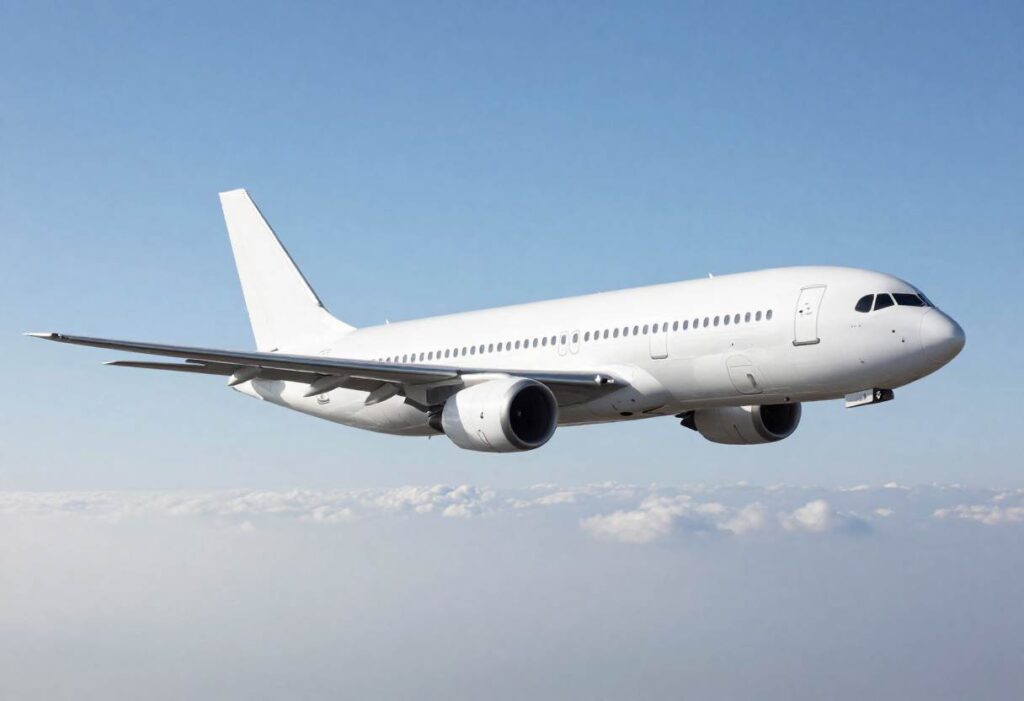
Image generated with Ai
The road to recovery for Croatia Airlines, the national flag carrier of Croatia, has been a rocky one, especially in 2025. Posting a staggering net loss of €38.8 million, the airline experienced its worst financial performance since the COVID‑19 pandemic in 2020. The aftermath of the global crisis left the airline struggling to regain its balance as rising operational costs — most notably from its fleet modernization efforts — outweighed the modest gains in operating revenue. However, in the midst of this adversity, Croatia Airlines has implemented an aggressive strategic overhaul that promises to set the airline on the path toward sustainable growth. As it moves into 2026, the company’s transformation plan is steadily progressing, and the financial outlook holds hope for brighter days ahead.
In this article, we delve into the airline’s 2025 financial loss, its ambitious fleet renewal initiative, expanded network, and government-backed efforts that form the foundation of the carrier’s long-term recovery strategy. Join us as we explore Croatia Airlines’ challenging past, its strategic roadmap for the future, and how it compares with other major European airlines navigating similar turbulent skies.
2025: A Year of Loss Amid Fleet Modernization
In 2025, Croatia Airlines encountered what can only be described as an extremely challenging financial year. Despite modest growth in passenger revenue and total operating income, the airline’s operating expenses surged by 13%. The primary culprits behind this sharp increase were rising aircraft leasing costs, maintenance expenses, airport service charges, and carbon-related costs under the EU Emissions Trading System (ETS).
Operating Revenue vs. Operating Expenses
The airline reported a 6% increase in total operating revenue, bringing it to €269.4 million. Despite this rise in revenue, operating expenses ballooned to €305.7 million, resulting in a net loss of €38.8 million. The increase in passenger revenue was notably slower than expected, growing by only 2% to €225 million. Though this still represented a decent return in a year marked by several challenges, it wasn’t enough to keep pace with the rapid escalation in operational costs, especially those associated with fleet upgrades.
The overwhelming burden of fleet modernization remained one of the most pressing issues for Croatia Airlines, as its fleet renewal program, centered around the Airbus A220, caused short-term losses but promised long-term benefits.
The Costly Fleet Renewal Program: Long-Term Gains Amid Short-Term Losses
One of the most strategic — yet costly — decisions Croatia Airlines made in recent years was to overhaul its fleet, replacing older, less fuel-efficient aircraft with the more modern, fuel-efficient Airbus A220 jets. The introduction of the Airbus A220 is central to the airline’s long-term goal of improving operational efficiency, reducing its carbon footprint, and increasing passenger comfort. However, this move has not come without its financial challenges.
Advertisement
Advertisement
The Airbus A220 aircraft, despite offering improved fuel efficiency and lower operating costs per seat, come with a high initial cost. In 2025 alone, the transition contributed significantly to higher leasing costs, maintenance expenses, and delays in aircraft deliveries, all of which contributed to the airline’s €38.8 million loss. Furthermore, the airline faced delayed fleet deliveries, which further compounded operational pressures. These fleet-related challenges, coupled with rising maintenance costs, have forced the airline to delay its full transition to an all-A220 fleet.
The transition to the A220 jets has placed considerable strain on the airline’s cash reserves, but these efforts are expected to yield long-term savings and operational efficiencies. The A220 transition is seen as a strategic move that will position Croatia Airlines for future success, but the costs and delays associated with the transition were one of the key factors contributing to the airline’s 2025 net loss.
Advertisement
Advertisement
Losses in the First Nine Months of 2025: Impact of Delayed Fleet Deliveries
As if the transition to new aircraft wasn’t challenging enough, Croatia Airlines saw its financial difficulties compounded in the first nine months of 2025. The airline posted a €20.9 million loss during this period, exacerbated by delayed fleet deliveries and the associated increased costs. These delays disrupted the airline’s ability to phase out its older fleet and streamline its operations, leaving it to incur additional maintenance costs for older aircraft while simultaneously introducing new models.
The lack of timely fleet transitions meant that aircraft leasing costs and maintenance expenses were higher than initially forecasted, causing a negative impact on the airline’s overall cost structure. With the delayed introduction of new aircraft, the airline faced the difficult task of balancing the needs of both legacy aircraft and new models, which contributed to the losses for 2025.
Government Support: A Recapitalisation Plan to Ensure Stability
To help stabilize its finances and ensure the airline’s future, the Croatian government stepped in with a €156 million capital increase in 2025. This recapitalisation plan aimed to strengthen the airline’s balance sheet and provide the necessary liquidity for fleet renewal and ongoing operations. In addition, the Croatian government continues to back the airline with further recapitalisation efforts, including €43 million in loan conversions and €35 million in cash injections in 2026.
These government-backed efforts are essential to Croatia Airlines’ financial recovery, as they provide the airline with the necessary resources to navigate its fleet renewal transition and manage short-term financial difficulties.
Fleet Modernisation: A Strategic Focus for 2026 and Beyond
Despite the challenges faced in 2025, fleet modernisation remains at the core of Croatia Airlines’ long-term strategy. The airline is committed to completing its fleet transition to an all-Airbus A220 operation by 2027. In 2026, Croatia Airlines plans to introduce additional A220 aircraft, bringing its total number of A220s to around 15 by the end of the transition. These aircraft are set to replace the older Airbus A319, A320, and Bombardier Dash 8 aircraft, which will be phased out.
The A220 aircraft are not only more fuel-efficient but also offer enhanced passenger comfort with modern cabin features. These improvements, coupled with standardised fleet operations, will ultimately simplify maintenance, crew training, and scheduling logistics, leading to significant long-term savings and improved operational reliability.
Expansion of Network and Routes for 2026
While 2025 was a year of financial loss, 2026 marks a turning point for Croatia Airlines, with the airline planning a major expansion of its summer flight programme. The airline is ramping up its capacity and introducing new routes to meet the growing demand for air travel in Europe and beyond.
Summer 2026 Flight Programme
Croatia Airlines has scheduled 19,290 flights for the summer 2026 season, with over 2.396 million seats available. This represents a significant capacity increase compared to 2025, as the airline continues to grow its network to meet demand. The airline’s European network will connect Croatia to 32 destinations across 33 airports, expanding its presence throughout Europe.
New Seasonal Routes:
- Nantes–Split
- Stuttgart–Dubrovnik
These new routes, coupled with the extension of the Zagreb–Stockholm route to year-round service, showcase the airline’s commitment to expanding its European network and responding to increased demand. The introduction of the Zadar–Munich winter service also exemplifies the airline’s ability to adapt to seasonal trends and serve year-round business and leisure travel needs.
Public Service Obligation (PSO) Routes: Strengthening Regional Connectivity
The Croatian government has renewed its PSO contract for the Mostar–Zagreb route, which guarantees three weekly flights in 2026. This route is essential for regional connectivity and supports the airline’s role in maintaining important tourism and business ties across Croatia and neighboring regions.
Comparison with Similar Airlines: A Tough Path Ahead
While Croatia Airlines struggles to return to profitability due to fleet renewal costs and operational challenges, larger carriers like IAG (International Consolidated Airlines Group), Ryanair, and Wizz Air are performing better financially.
IAG (International Consolidated Airlines Group)
IAG, the parent company of British Airways, Iberia, and Aer Lingus, posted a net profit of €3.34 billion in 2025. With premium cabin demand and operational efficiencies, IAG’s strong performance in 2025 highlights the difference in scale and resources between IAG and smaller airlines like Croatia Airlines, which are still in the midst of fleet transitions and recovery.
Ryanair
Ryanair, a low-cost carrier, has consistently posted substantial profits due to its large fleet, efficient operations, and ability to withstand market volatility. While Croatia Airlines has yet to experience similar profitability, Ryanair’s success underscores the benefits of a flexible, cost-efficient model, which Croatia Airlines can aim for once its fleet renewal is complete.
Wizz Air
Wizz Air has faced similar fleet-related challenges but is positioned better than Croatia Airlines due to its larger fleet and broader network, which provide more resilience in absorbing financial impacts. Despite these challenges, Wizz Air has managed to stay profitable, which stands in contrast to Croatia Airlines’ ongoing financial struggles.
Conclusion: Looking Ahead – The Road to Recovery
In conclusion, Croatia Airlines’ financial outlook for 2026 remains uncertain, with no immediate profit forecast on the horizon. The airline is still deeply invested in its fleet renewal process, which is expected to bring long-term efficiency gains but remains costly in the short term. With the continued support from the Croatian government, the airline is working towards stabilising its operations, expanding its route network, and reducing operational costs.
While 2025 was defined by losses, 2026 marks a critical year for Croatia Airlines, with new Airbus A220 aircraft, expanded European routes, and government support playing central roles in its recovery plan. As the airline navigates this period of transformation, long-term profitability remains the ultimate goal, and although challenges persist, Croatia Airlines is positioning itself for a stronger financial future beyond 2026.
