Rolls-Royce boss ‘open’ to Germany joining UK’s fighter jet project | Rolls-Royce
https://www.theguardian.com/business/2026/mar/02/rolls-royce-germany-uk-fighter-jet-tufan-erginbilgic
Posted by Any-Original-6113

Rolls-Royce boss ‘open’ to Germany joining UK’s fighter jet project | Rolls-Royce
https://www.theguardian.com/business/2026/mar/02/rolls-royce-germany-uk-fighter-jet-tufan-erginbilgic
Posted by Any-Original-6113
3 Comments
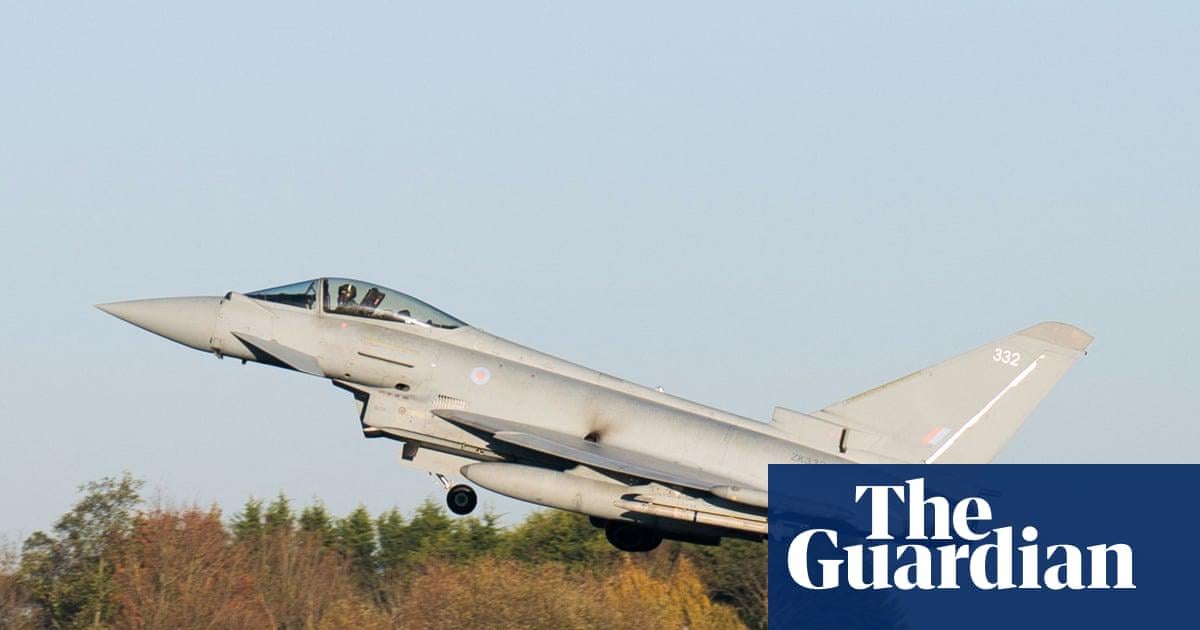
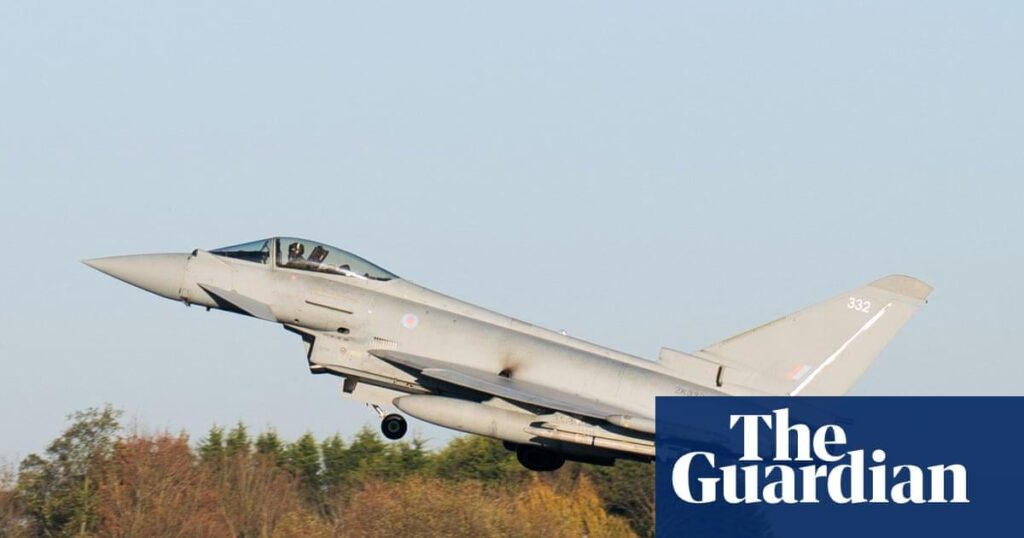
The boss of Rolls-Royce has said he would welcome Germany helping to build Britain’s next-generation fighter jet, arguing that it would bring in more business for the project.
The aircraft, designed to replace the Eurofighter Typhoon, is a joint effort between the UK, Italy and Japan. Rolls-Royce is building the engine for the jet, which has attracted fresh attention as plans for a rival Franco-German warplane edge towards collapse.
Tufan Erginbilgiç, who has run the engineering company since 2023, told the Guardian he would “definitely be open” to Germany joining the global combat aircraft programme (GCAP), also known as Tempest.
“We already work with Germany … we have a big position in Dahlewitz [a Rolls-Royce factory near Berlin]. In terms of civil aerospace, we do business aviation engines there,” he said. “But the GCAP benefit will be beyond that. More countries joining means more countries will certainly buy, because you cannot be a partner and not buy.
“It is the government’s decision, not mine or any commercial company. Depending on how geopolitics and other things develop, [Germany joining] continues to be a possibility.”
Speculation has mounted around Germany joining GCAP after it fell out with France over their own joint fighter project.
The Franco-German future combat air system (FCAS) has stalled amid a rift between the two biggest companies tasked with building it: Dassault, France’s national fighter jet maker, and Airbus’s German-headquartered defence business.
In February the German chancellor, Friedrich Merz, signalled that the planned warplane did not suit Germany’s needs. The German military did not need a nuclear-capable fighter, while France did, he said, insisting it was “not a political dispute” but a technical one between the two countries.
Britain has signalled it would be open to new partners on GCAP, but experts have suggested this could slow down the fighter, which is due to enter service by 2035. Already, ministers have delayed signing a trilateral contract for the programme, a holdup tied to the publication of a long-overdue defence spending plan.
European governments are racing to increase defence spending in response to threats from Russia, and Donald Trump has told the continent it is time to pay for its own security.
Erginbilgiç said that while the UK had a “competitive advantage” in some military technology, ramping up spending and production capability was important both for national security and because it fed directly into commercial exports.
“Today the UK exports Eurofighters,” he said. “If you don’t have that capability, how am I going to export Eurofighters? You cannot. It’s as simple as that. Don’t look at a defence programme like a defence programme. It can also help drive economic growth for the country, and improves the technology that you can then use in civil aerospace.”
Erginbilgiç was speaking after Rolls-Royce reported that its profits jumped by 40% last year as its turnaround gathered pace, helped by booming demand for power from datacentres.
The US-Israel war on Iran could push up the share prices of defence companies when stock markets reopen on Monday.
A UK government spokesperson said: “Together with our partners Japan and Italy, we remain open to other partners joining the Global Combat Air Programme (GCAP), while keeping on track with the programme schedule and delivering our future military capabilities.”
I’m sure that he is open to it since it implies extra sales, but he doesn’t get to decide I’m afraid
I never really understood why France and Germany decided to partner up on this project. Their needs seem to be quite different. Meanwhile the requirements of the UK and Germany seem to overlap much more. Both are integrated with the American nuclear deterrent (whatever that is worth these days); both seem to prefer slightly larger models with greater capability; both have experience using an overlapping model. Unfortunately the last time the UK and Germany developed a combat aircraft together was rather painful, which might explain the reluctance to partner up again. However, the Franco-German project makes less sense in my opinion. France needed to redesign its PANG project according to Germany’s input. Meanwhile Germany gets a navalised version of the aircraft, which it doesn’t need or want. Finally Dassault has seemed reluctant to share technology or workload on a basis sufficient to Germany, reasoning that it is the only company to successfully design a modern combat aircraft successfully in France or Germany recently. All in all, this is just one big clusterfuck of mostly Germany’s own making.