

Published on
March 2, 2026
By: Tuhin Sarkar

Image generated with Ai
Iceland, Switzerland, Singapore, Japan and Canada Emerge as Safest Havens for US Tourists as Global Risks Shake the Americas and Beyond, New Update is Here
Iceland, Canada, Switzerland, Singapore and Japan emerge as the safest havens for US tourists at a time when global risks shake the Americas and beyond. This new update is here, and it changes everything for US travellers. As global risks shake the Americas and beyond, US tourists are urgently searching for stability. Now, Iceland, Switzerland, Singapore, Japan and Canada stand out with powerful safety records, low crime rates, and strong governance. Iceland offers unmatched peace. Switzerland delivers precision and order. Singapore enforces strict laws. Japan ensures calm streets. Canada provides trusted familiarity.
While uncertainty spreads across the Americas and beyond, US tourists are shifting fast. Iceland, Switzerland, Singapore, Japan and Canada are not just destinations. They are safe havens. This new update is here to confirm that safety now defines travel decisions. As global risks shake the Americas and beyond, the demand for secure borders, reliable healthcare, and firm law enforcement grows stronger. Travel And Tour World urges readers to explore how Iceland, Switzerland, Singapore, Japan and Canada continue to emerge as the safest havens for US tourists in a rapidly changing world.
The world feels tense and uncertain. Armed conflicts dominate headlines. Airspace closures disrupt routes. Political protests spill into city centres. Yet US travel refuses to collapse. The US tourism Sector continues to expand despite global instability. The USA outbound market remains one of the strongest forces in global tourism across the Americas. But safety now dominates every booking decision. American travellers are no longer chasing only beauty or luxury. They demand order, stability and visible law enforcement. For US travel in 2026, security is the decisive factor shaping the future of the US tourism Sector across the Americas and beyond.
Official guidance from the US Department of State drives these decisions. The USA maintains a four-level advisory system that categorises destinations based on crime, terrorism, civil unrest and healthcare risk. Americans verify this information directly at the official portal. The live advisory map is accessible here. These tools influence airlines, insurers and tour operators across the Americas. When the USA adjusts advisory levels, the US tourism Sector responds immediately. For US travel, official warnings now carry greater weight than marketing campaigns or tourism promotions.
Advertisement
Advertisement
Iceland Crowned the Safest Destination on Earth as US Tourism Surges Beyond the Americas
Iceland consistently ranks as the safest country in the world. It leads the Global Peace Index year after year. Violent crime is extremely rare. Gun ownership is tightly controlled. Police officers seldom carry firearms. For US travel, this statistical stability is powerful. The US tourism Sector values measurable safety, not vague reputation. Across the Americas, few destinations can match Iceland’s structural calm. For the USA outbound market, Iceland represents controlled risk and institutional reliability in a volatile global environment.
Natural hazards such as volcanic activity exist, but they are closely monitored by advanced geological systems. Infrastructure is modern. Emergency response is rapid. Hospitals are efficient. Tourists move freely without fear of violent crime. For US travel in 2026, Iceland delivers peace supported by data, not perception. The USA continues to classify Iceland under low advisory levels, reinforcing confidence for American tourists. As instability affects parts of the Americas and other regions, Iceland’s model of governance and social trust strengthens its position as a premier safe destination for the US tourism Sector and outbound US travel growth.
Advertisement
Advertisement
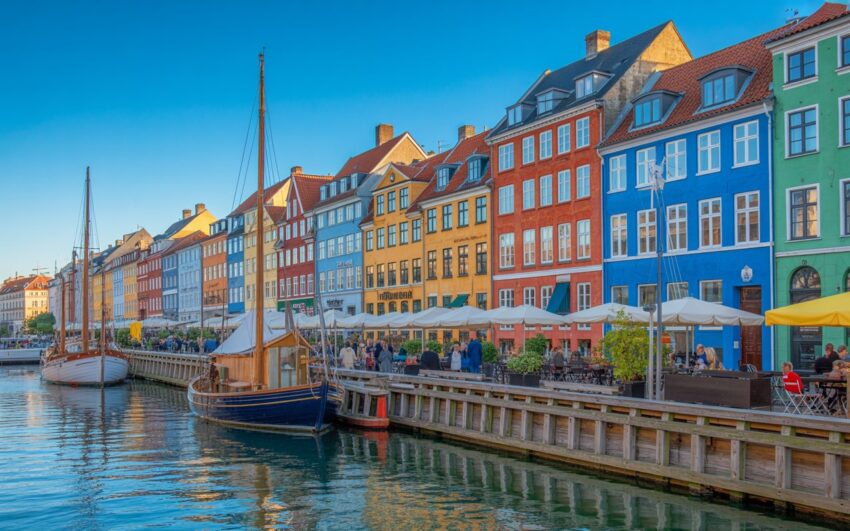
Image generated with Ai
Switzerland and Norway Deliver Structural Stability as US Travel Moves Toward Safe European Strongholds
Switzerland offers a rare combination of wealth, neutrality and institutional strength. Crime rates remain low by international standards. Political systems are stable. Civil unrest is minimal. For US travel, such consistency reduces uncertainty. The USA outbound market favours destinations with predictable governance. The US tourism Sector recognises that stability increases booking confidence. Compared with certain parts of the Americas facing rising security concerns, Switzerland presents a controlled and disciplined environment for American visitors.
Norway reinforces this pattern. It combines low crime with strong welfare systems and high social trust. Transparency in governance reduces corruption risk. Emergency services respond quickly. Infrastructure supports safe mobility for tourists. These factors elevate Norway within global peace rankings. For US travel in 2026, Norway’s safety record strengthens Europe’s appeal over unstable regions. The USA outbound market shifts toward destinations that demonstrate measurable calm. Across the Americas, political tension influences perception. In contrast, Norway’s predictable environment appeals strongly to the US tourism Sector seeking dependable destinations for sustained outbound growth.
Finland and Denmark Prove That Governance Is the New Luxury for the US Tourism Sector
Finland consistently ranks among the most peaceful nations globally. Crime remains low. Corruption is minimal. Public institutions are transparent. Emergency systems are well funded and organised. Denmark mirrors these strengths. The research highlights Denmark’s low violent crime and stable governance. For US travel, these indicators are decisive. The USA outbound market values structural security. The US tourism Sector increasingly markets destinations based on institutional reliability rather than only attractions. Across the Americas, instability in select regions contrasts sharply with Nordic order.
For American travellers, governance now functions as a travel asset. Clear laws. Reliable policing. Accessible healthcare. Transparent institutions. These factors reduce risk perception dramatically. In Finland and Denmark, tourists move confidently in public spaces. Public transport systems operate efficiently. Social trust remains high. For US travel in 2026, this environment creates powerful reassurance. The USA outbound flow toward Northern Europe reflects this shift. As the US tourism Sector competes globally, safety metrics increasingly determine which countries attract sustained American visitor growth.
Image generated with Ai
Singapore and Japan Redefine Asian Safety as US Travel Expands Beyond the Americas
Singapore enforces strict legal standards. Crime is extremely low. Surveillance infrastructure supports public safety. Public transport operates precisely. Streets remain clean and orderly even late at night. For US travel, Singapore’s discipline reduces uncertainty. The USA outbound market appreciates environments where rules are enforced consistently. The US tourism Sector views Singapore as a gateway to Asia with minimal security risk. Compared to volatile regions, Singapore’s governance model provides measurable safety for American tourists.
Japan matches this security profile. Violent crime rates remain among the lowest globally. Public transport is punctual and well managed. Law enforcement is visible yet non-intrusive. For US travel in 2026, Japan represents structured calm outside the Americas. The USA outbound surge toward Tokyo and other cities reflects growing confidence. The US tourism Sector recognises Japan’s combination of culture, efficiency and safety as a powerful draw for American visitors seeking stability abroad.
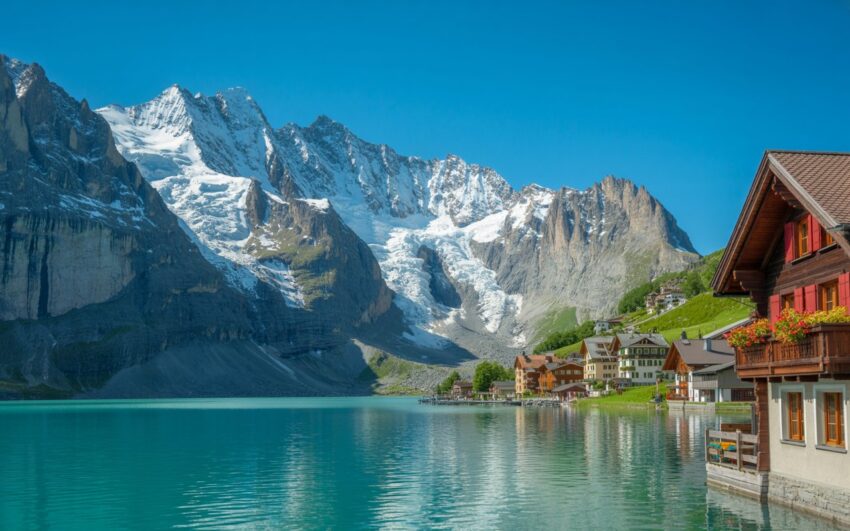
Image generated with Ai
Canada and New Zealand Offer Familiar Stability as the USA Protects Its Outbound Tourism Strength
Canada shares borders and deep economic ties with the USA. Crime rates remain moderate to low by international comparison. Healthcare infrastructure is strong. Governance systems are transparent. For US travel, proximity enhances confidence. The US tourism Sector relies heavily on cross-border flows within the Americas. Canada’s stable environment provides reassurance during periods of global tension. The USA outbound market continues to prioritise Canada as a dependable and culturally familiar safe destination.
New Zealand offers similar institutional stability. Political systems are steady. Violent crime remains limited. Emergency services function effectively. Public trust in institutions is high. For US travel in 2026, New Zealand’s geographic distance does not deter American interest. Instead, its calm reputation strengthens appeal. The USA outbound market seeks destinations insulated from geopolitical instability. The US tourism Sector identifies New Zealand as a safe long-haul option beyond the Americas. Together, Canada and New Zealand represent stable democracies attracting sustained US tourism growth during uncertain global conditions.
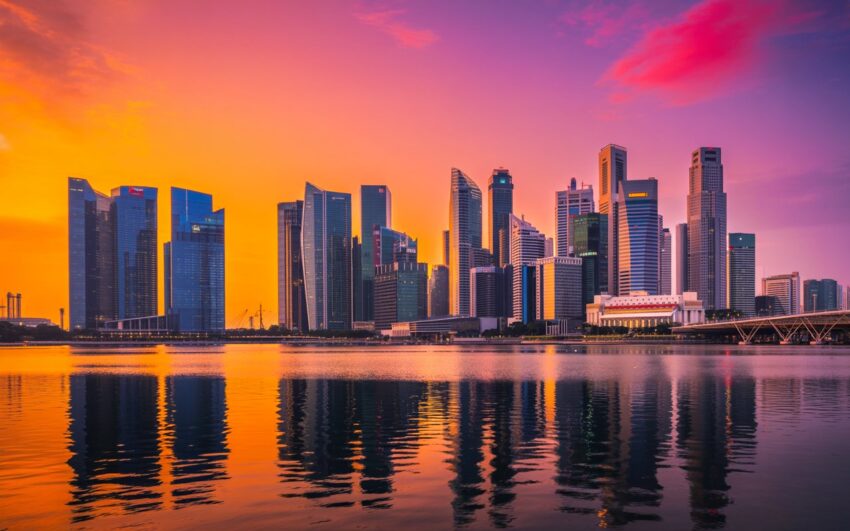
Image generated with Ai
US Government Advisories Now Dictate the Future of the US Tourism Sector
The four-level advisory framework shapes modern US travel decisions. Level 1 advises normal precautions. Level 2 recommends increased caution. Level 3 urges reconsideration. Level 4 prohibits travel. These classifications are updated continuously at https://travel.state.gov/en/international-travel/travel-advisories.html.
Americans are encouraged to enrol in STEP at https://www.usa.gov/travel-advisory for alerts and assistance. For the USA, these advisories influence airline scheduling, insurance pricing and tour operations. The US tourism Sector responds rapidly to advisory changes. Across the Americas, travel flows adjust in real time when advisory levels shift.
Official advisories have become the backbone of outbound planning. Marketing campaigns cannot override a Level 3 or Level 4 classification. For US travel in 2026, government guidance outweighs promotional messaging. The USA outbound market studies advisory changes closely. The US tourism Sector integrates risk data into strategic planning. Across the Americas and globally, safety classification now functions as the ultimate competitive advantage in attracting American visitors.
The New Reality: US Travel Follows Stability, Not Just Beauty
The global tourism landscape has shifted permanently. Beauty alone does not secure bookings. Stability does. The USA outbound market now prioritises law enforcement strength, healthcare capacity and institutional transparency. The US tourism Sector tracks safety metrics more aggressively than ever before. Across the Americas and beyond, countries compete on security as much as scenery. Iceland leads global peace rankings. Switzerland and Norway reinforce European stability. Finland and Denmark exemplify governance strength. Singapore and Japan demonstrate Asian order. Canada and New Zealand offer reliable calm.
For US travel in 2026, these nations dominate because they prove safety with measurable data. The USA outbound machine continues to grow, but it grows cautiously. The US tourism Sector adapts to geopolitical uncertainty. Across the Americas, risk perception shapes demand. Stability has become the defining currency of global tourism. And the USA is deploying that currency strategically, directing US travel toward nations that offer verifiable peace and structural security.
