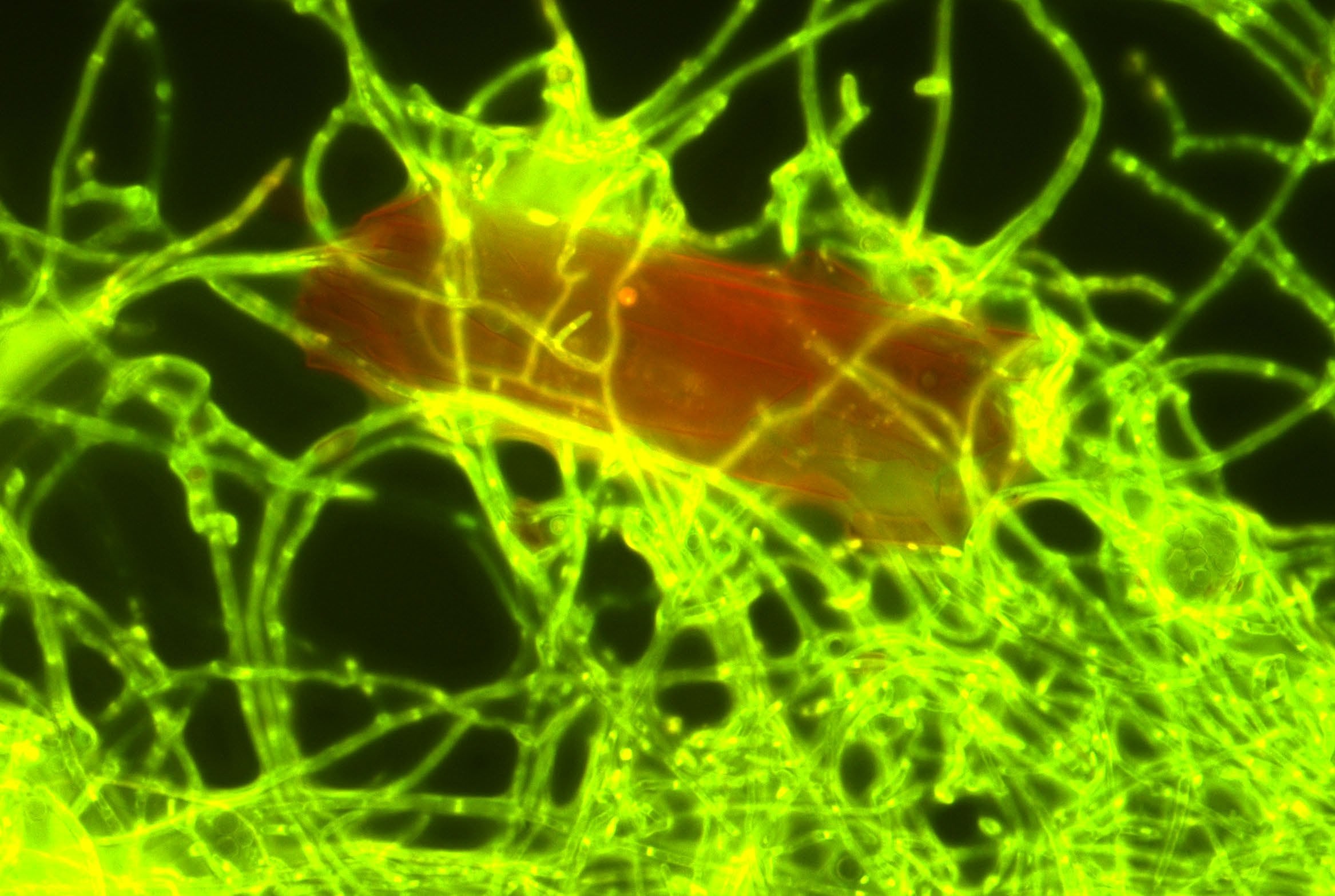
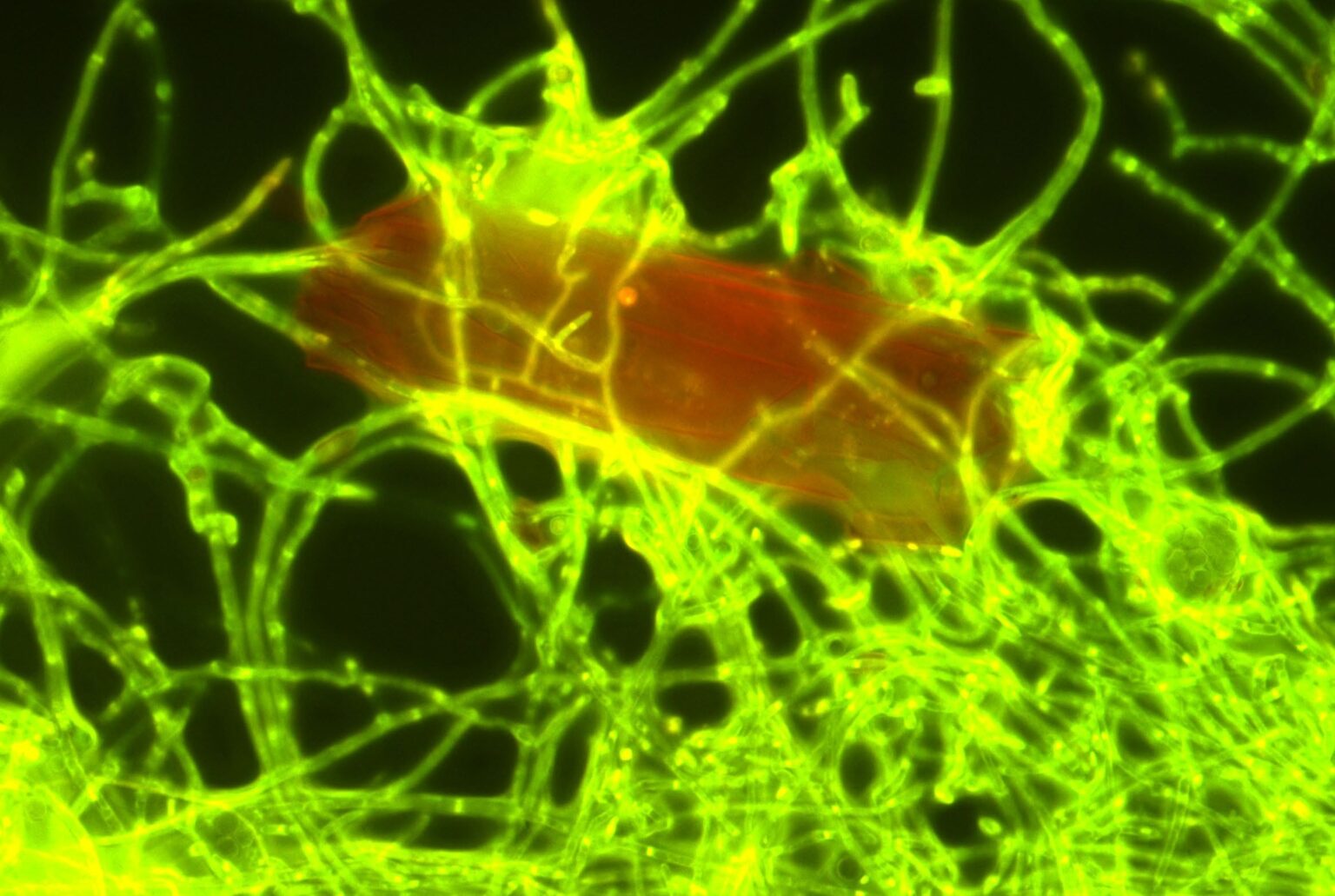
The fungus Parengyodontium album lives together with other marine microbes in thin layers on plastic litter in the ocean. Marine microbiologists from the Royal Netherlands Institute for Sea Research (NIOZ) discovered that the fungus is capable of breaking down particles of the plastic polyethylene (PE), the most abundant of all plastics that have ended up in the ocean. The NIOZ researchers cooperated with colleagues from Utrecht University, the Ocean Cleanup Foundation and research institutes in Paris, Copenhagen, and St Gallen, Switzerland. The finding allows the fungus to join a very short list of plastic-degrading marine fungi: only four species have been found to date. A larger number of bacteria were already known to be able to degrade plastic.
adhdthrowaway100 on
Ok, I think this is the 10th time I’m hearing this headline in the last decade.

2 Comments
TLDR:
The fungus Parengyodontium album lives together with other marine microbes in thin layers on plastic litter in the ocean. Marine microbiologists from the Royal Netherlands Institute for Sea Research (NIOZ) discovered that the fungus is capable of breaking down particles of the plastic polyethylene (PE), the most abundant of all plastics that have ended up in the ocean. The NIOZ researchers cooperated with colleagues from Utrecht University, the Ocean Cleanup Foundation and research institutes in Paris, Copenhagen, and St Gallen, Switzerland. The finding allows the fungus to join a very short list of plastic-degrading marine fungi: only four species have been found to date. A larger number of bacteria were already known to be able to degrade plastic.
Ok, I think this is the 10th time I’m hearing this headline in the last decade.