
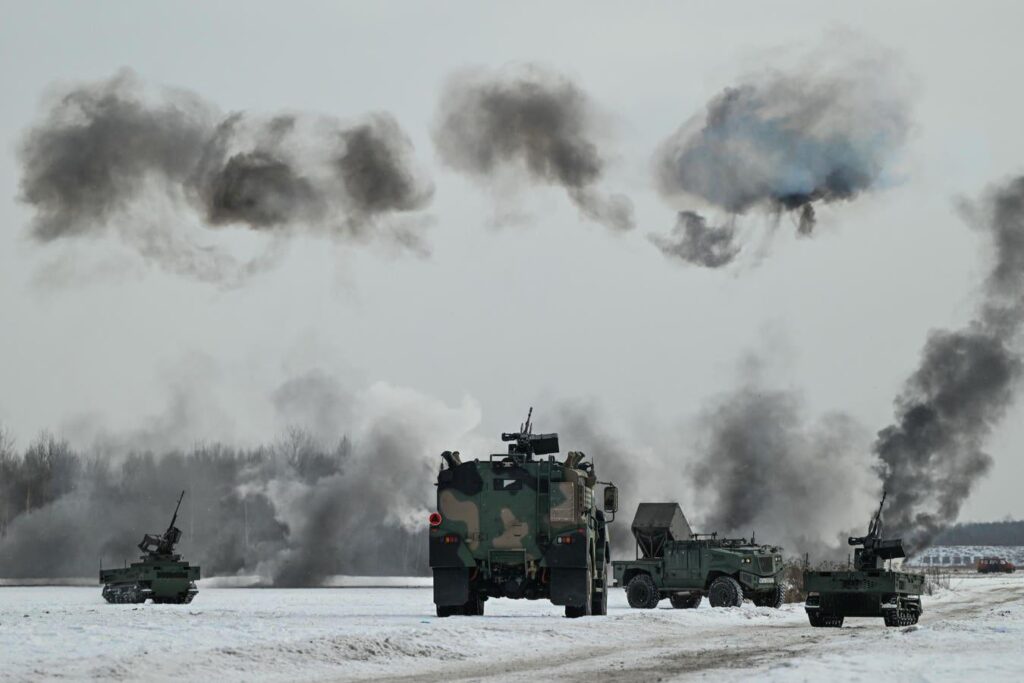
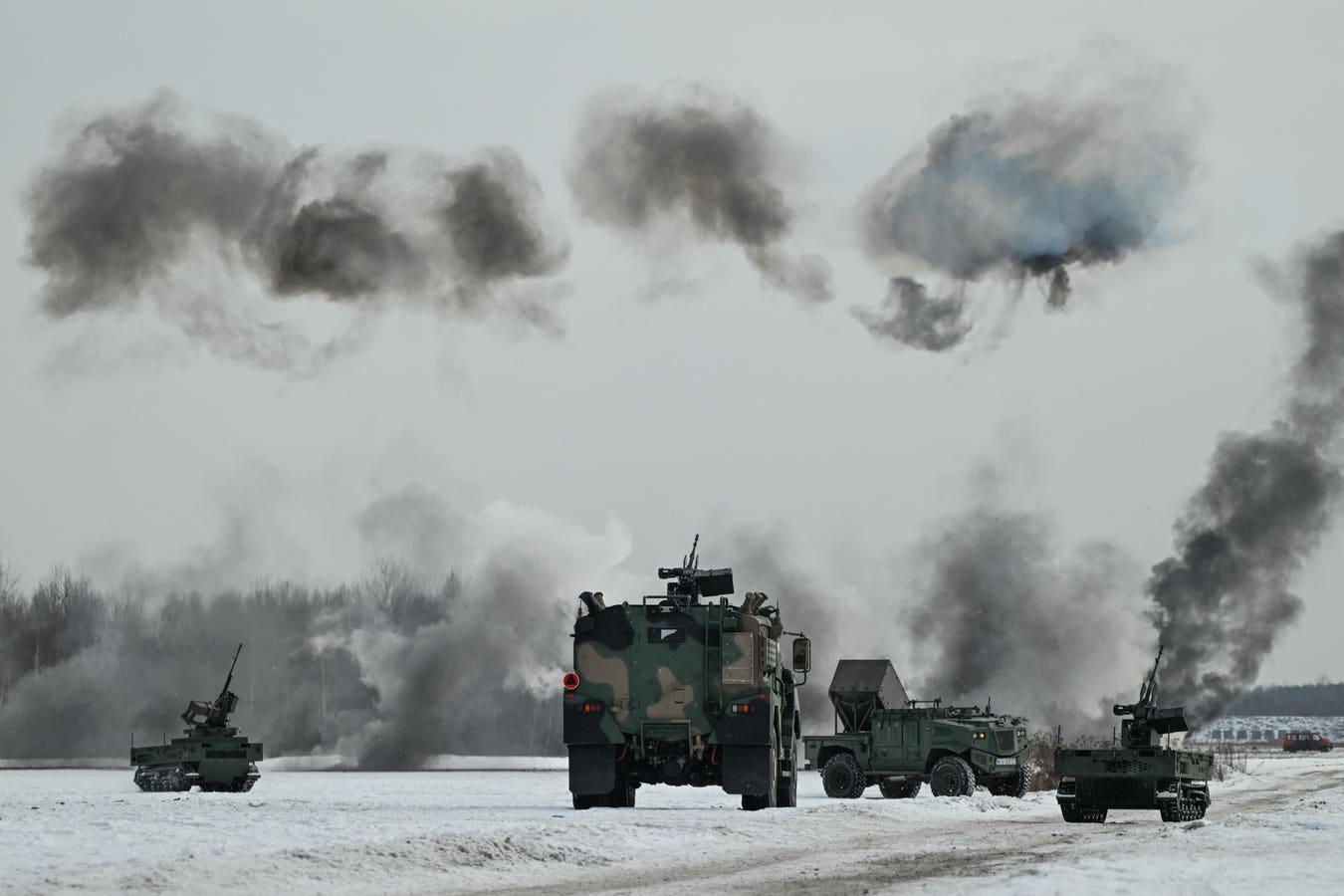
Directed-energy weapons like lasers and microwave systems are rapidly evolving as counter-drone technologies. Beyond current military applications, these systems could reshape civilian airspace security, autonomous drone design, and even commercial logistics. How might their proliferation influence future drone strategies, regulatory frameworks, and global defense dynamics? Are we approaching a future where drone warfare and airspace control are dominated by energy-based weapons rather than traditional projectiles? Let’s explore the technological, ethical, and societal implications of this shift.
https://www.forbes.com/sites/zitaballingerfletcher/2026/03/02/why-lasers-and-microwave-weapons-are-next-generation-drone-killers/
2 Comments
As directed-energy counter-drone systems advance, we can start imagining their broader implications beyond military use. Could these technologies enable automated airspace policing, or even redefine how cities manage civilian drone traffic? What new drone designs or defensive strategies might emerge in response, and how could international norms evolve to address the balance between innovation, safety, and potential escalation in drone conflicts? Let’s discuss the cascading effects these weapons could have on the next decade of aerospace technology and policy.
Microwaves are not. Drones can easily be made immune and with AI on board, they can be completely immune to all forms of EW save lasers. This analysis is late and no longer cutting edge.
Making a drone selectively able to activate an antenna and transmitter to provide communications, but otherwise be isolated and immune from EM weapons is straightforward. We just shield motors, wires and electronics. As soon as microwave systems are widespread drones will adapt in months making these defenses completely obsolete. There only utility is in causing some expense and a small mass penalty to harden drones to this method.
What isnt straight forward is hardening drones to lasers and kinetic weapons.
Lasers will remain expensive for sometime, ablative and reflective coatings will be used to delay time to kill, and higher speed swarms will develop to overwhelm point defenses. Lasers will only have 1 to 2 km range. They would instantly be up there with tanks as targets for drones, and would be eventually overwhelmed.
The near term will be dominated first by EW then this rapidly be made obsolescent, and kinetic methods will emerge as most cost effective and most useful, with the hardest countermeasures for the drone to overcome. Kinetic methods can fire and reload very rapidly so can deal with ‘high bandwidth’ swarm attacks. Use of fire control and special rounds gives 1 shot 1 kill capability. For shorter ranges likely these would provide last ditch defenses, high power and expensive lasers would be used with high accuracy automated turrets for lomger range in conjunction with short range defenses able to rapidly engage swarms. This reduces the cost compared to high power guns or cannons st similar ranges, which in turrets need expensive super high accuracy servo systems tough enough to deal with recoil and mass. We dont need that extra expense with short range defenses, and smaller caliber guns on these, using much less precise servos.
These cartridges will vary from programmed flechette rounds to net rounds that release nets at short range, and possibly even with timer release ‘grenade’ type rounds, using either method to destroy the target, nets used preferably when used in proximity to personel and at extreme close range, but all guns and lasers will be operated from AI vision enabled automated turrets, using local on device AI hardware. They may be twinned with directional accoustic detection and linked up to form a dense cloud detection system able even to spot and provide decent vector data on glide munitions and cruise missiles.
Then drones will adapt to have kevlar frames and ducts, propellors, leading to a shift from shot gun pellets to higher velocity flechettes of higher mass.