
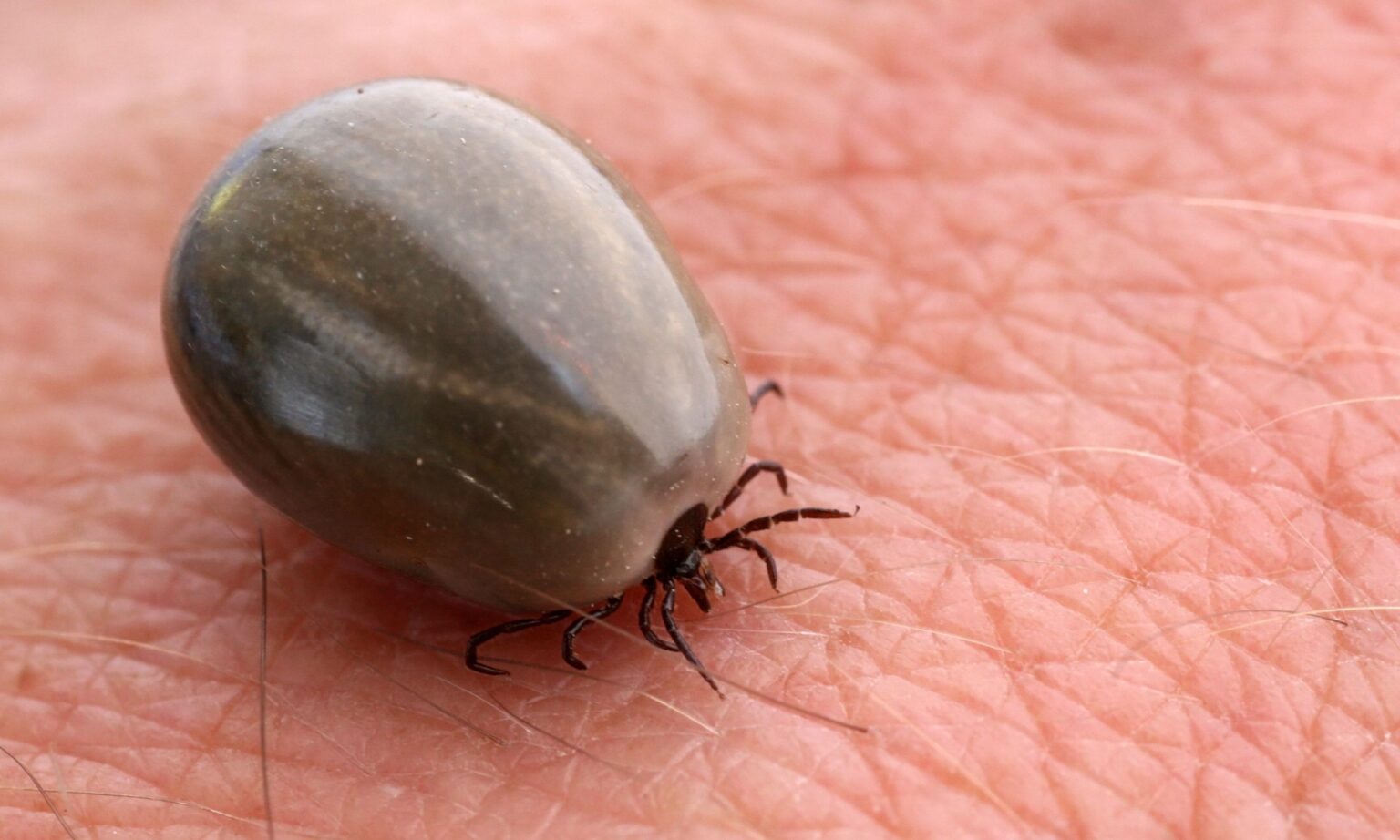
A nationwide analysis of 470 adults who blamed tick bites for months of illness has found no evidence of persistent tick-borne infection driving their symptoms.
The result challenges a widely held explanation for chronic fatigue and pain, and redirects attention toward other forces shaping long-term health.
No ticks behind fatigue

Across Norway, adults convinced that ticks had triggered their decline complained about months of fatigue, pain, and reduced daily function.
Audun Olav Dahlberg at the Norwegian University of Science and Technology (NTNU) documented that laboratory findings did not confirm any ongoing tick-borne infection behind those complaints.
Even in regions where tick exposure is common and past Lyme disease contact was frequent, symptom severity failed to track with biological evidence of active disease.
That disconnect between conviction and clinical proof set the stage for a closer look at what else might be sustaining the burden that people continued to feel.
Tick complaints across Norway
National numbers put this belief in perspective; only about 0.12% of Norwegian adults tied long symptoms to ticks.
Researchers adjusted for region and found more self-attributed tick illness along Norway’s southwest coast, where ticks are common.
In those high-tick areas, about 0.15% reported persistent complaints, compared with 0.03% in the far north.
Still, the same data showed no link between symptoms and confirmed tick exposure, which undercuts a simple cause-and-effect story.
Antibodies without infection
Researchers detected antibodies to Lyme bacteria in 37.5% of participants. These proteins form when the immune system responds to an infection.
Antibodies can linger for years, so they show past contact, not whether bacteria are still active now.
Symptom scores did not climb in people with more antibodies, and controls without complaints also carried them at times.
Without a symptom link, antibody results mostly describe history, which leaves treatment aimed at function rather than at infection.
Employment and health pressures
Less than three hours of activity a week tracked with heavier body symptoms, even after researchers checked for tick history.
When people move less, muscles lose strength and stamina, which can make everyday tasks feel harder and more exhausting.
Reduced work hours, called underemployment – not working full time despite wanting to – lined up with fatigue and poorer physical health.
Alongside that fatigue, depressive symptoms and recent sick leave often showed up, which points toward broader health and life pressures.
Long-term antibiotic use
Long courses of antibiotics showed up often in this group, with 34.9% reporting treatment that lasted more than four weeks.
Antibiotics work by killing bacteria, and a large trial found extended therapy did not improve persistent Lyme-linked symptoms.
Fatigue actually tracked higher in those reporting long antibiotic courses, although the study could not prove the drugs caused this.
“Objective findings are important for making diagnoses, and long-term antibiotic treatment beyond established practice is not recommended,” said Dahlberg.
Tick bites and Lyme risk
For most people, a tick bite never becomes a disease, and only about 2% of bites lead to illness in Norway.
When Lyme disease does hit, it can start with a spreading rash and, in some cases, damage nerves in the face.
Standard antibiotics usually clear the infection in 10-14 days, and many people recover rapidly and completely.
“It is possible to get really sick from tick bites, but no matter how badly you are affected, antibiotics are the curative treatment,” said Dahlberg.
Misdiagnosis carries risks
Overseas lab reports played a role, because 23% of participants said they were diagnosed outside Norway.
Some private labs use tests that differ from standard practice, which can label someone infected even when evidence is thin.
Once that label sticks, patients may miss checks for thyroid problems, anemia, depression, or other conditions that also drain energy.
“An incorrect diagnosis can lead to other medical conditions being overlooked,” said Dahlberg in the study.
Symptoms after infection
After a real infection, long symptoms can remain, especially when inflammation or nerve injury outlasts the bacteria.
Doctors call one pattern post-treatment Lyme disease syndrome. It is characterized by lingering symptoms after proper antibiotic treatment, and it can include pain and trouble thinking clearly.
In Dahlberg’s results, lingering complaints often traveled with other diagnoses or stress, rather than with evidence of a treatable microbe.
That mix means some people need rehab, mental health care, and work support, even when antibiotics have done their job.
If not ticks, then what?
Once infection stopped fitting the evidence, clinicians could focus on practical steps that improve daily function and stamina.
Building activity back slowly can restore strength and sleep, and checking for other illnesses can remove treatable roadblocks.
Support around work matters too, because part-time or long sick leave can feed isolation and make recovery harder.
Clear explanations can prevent people from chasing risky treatments abroad, but doctors still need to listen and take symptoms seriously.
New directions for care
For people who blame ticks for months of illness, the evidence points away from tick-borne microbes and toward modifiable factors.
Future work can sort which patients face lasting tissue damage, while care now can center on activity, mood, and work support.
The study is published in BMC Infectious Diseases.
—–
Like what you read? Subscribe to our newsletter for engaging articles, exclusive content, and the latest updates.
Check us out on EarthSnap, a free app brought to you by Eric Ralls and Earth.com.
—–