
Joris van Boven/Shutterstock
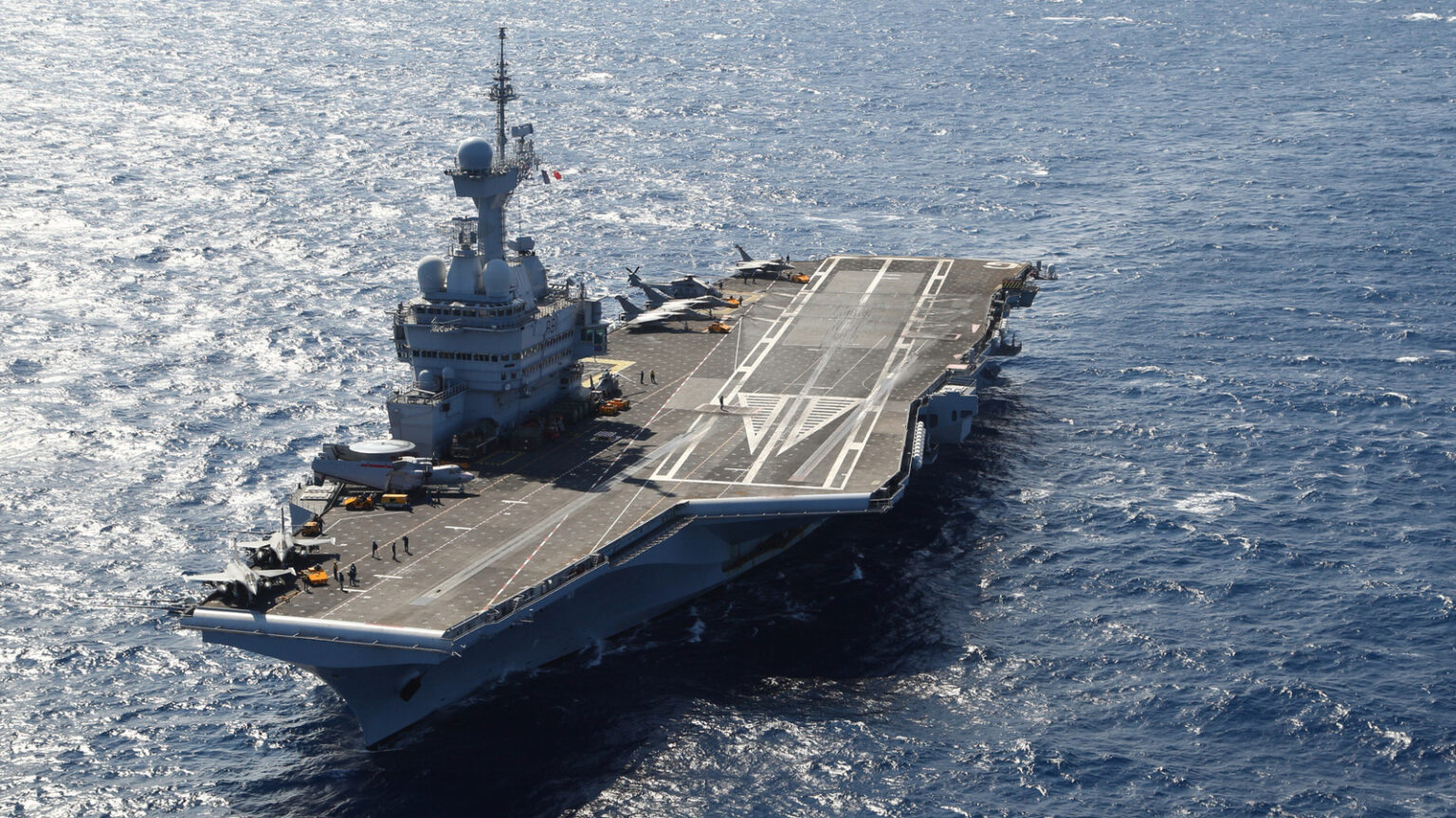
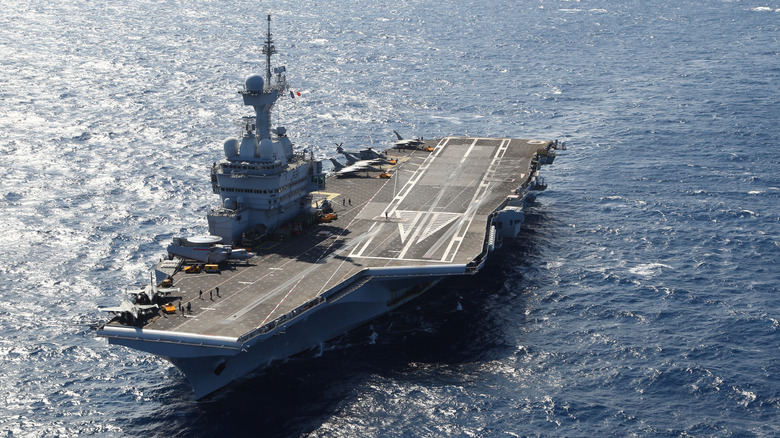
When you think of nuclear-powered aircraft carriers, the U.S. Navy’s massive, world-spanning fleet is the first thing that comes to mind, and the United States is joined by just one other country when it comes to global operators of nuclear carriers. That country is France, which has a single, but powerful nuclear-powered floating air base – the carrier Charles De Gaulle.
The French aircraft carrier has served in support of several Middle Eastern conflicts over the years, and it’s now being deployed to a combat zone once again as it heads to the Mediterranean to help protect French allied assets amid ongoing American and Israeli-led operations against Iran.
The deployment of the Charles De Gaulle represents a significant move for France, which initially intended not to be directly involved in the U.S. and Israeli attacks. However, with Iranian drone strikes targeting French assets in the region, as well as the military bases and cities of its partners, French President Emmanuel Macron has shifted course, ordering the aircraft carrier and other French military assets into the conflict to defend the country’s interests.
Charles De Gaulle’s capabilities
DLeng/Shutterstock
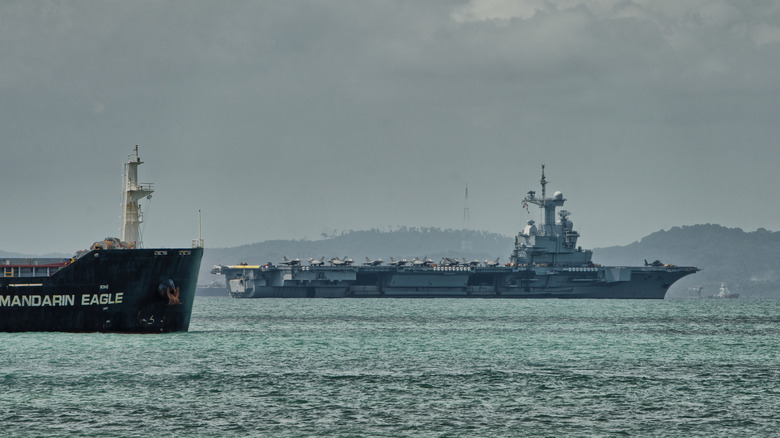
When the carrier Charles de Gaulle was commissioned in 2001, it was a huge moment not just for the French Navy, but for global naval power as the ship became the first – and to this point, the only non-American nuclear aircraft carrier in the world. Over the course of the 2000s and 2010s, the de Gaulle has been deployed to combat zones several times to serve France and its partners in the waters near Iraq, Libya, Syria, and other hotspots. As the gem of the French Navy, the ship is expected to serve until the late 2030s, after which it will be replaced by a newer carrier.
When the strikes in Iran broke out, the Charles de Gaulle was participating in NATO training operations in the Baltic Sea, with France planning to maintain a purely defensive posture with its existing assets in the region. However, during the widespread counterstrikes, Iranian drone attacks, among other targets, have damaged a hangar at a French naval base in the United Arab Emirates and a British airbase on the island of Cyprus. In response to these attacks on the bases of France and its strategic partners, Macron has ordered the Charles de Gaulle into the Eastern Mediterranean. The French President also stated that through the European Union, France has binding defensive agreements with several countries in the region that have come under attack, including the UAE, Qatar, and Kuwait.
A defensive mission
Simon Vandamme/Shutterstock
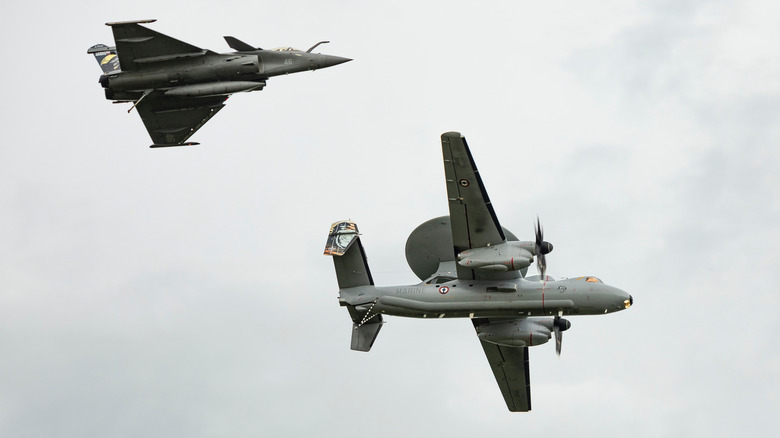
While the Charles de Gaulle can carry up to 40 aircraft if needed, the carrier is currently configured to carry 20 Dassault Rafale twin-jet fighter planes, as well as two E-2C Hawkeye radar aircraft, all of which can be launched to defend France’s bases and assets, as well as those of its allies, in the region. The carrier won’t be entering the Med on its own either. The strike group heading to the region will also include French air defense frigates and destroyers, which will provide further support in clearing the skies of Iranian drones.
The United States Navy, meanwhile, currently has two carrier strike groups already in the region, directly participating in the attacks on Iran, which have been designated as Operation Epic Fury. While France has broadly maintained a position of calling for negotiations to end the attacks, with these moves, President Macron has signaled France’s commitment to defend itself and its allies with force.
Beyond the significant naval move of relocating the Charles De Gaulle and its escorts to the Mediterranean, Macron also confirmed that other French military assets will be directed to the region, including air defense and radar systems to help fight off the drone attacks, and additional Rafale fighters for French bases in the United Arab Emirates.