
Published on
March 7, 2026
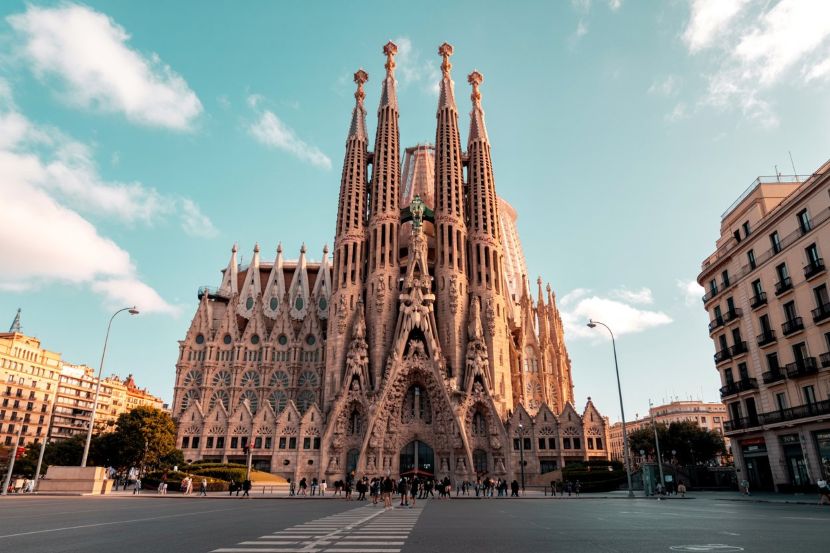
Image generated with Ai
Spain joins Italy, Turkey, Austria, and more key European countries in driving growth for German tourism in 2025, with record tourist numbers expected to flood Mediterranean and European shores. As global travel continues its recovery, these nations are seeing a significant surge in visitors from Germany, driven by expanded flight networks, diverse holiday offerings, and close cultural ties. With Germans flocking to enjoy everything from sunny beaches to rich history and scenic landscapes, Europe is poised for a remarkable year in tourism, with these countries at the forefront of this growing travel trend.
In 2025, Germany continues to be a major player in European tourism, with an increasing number of Germans choosing Mediterranean and European destinations for their holidays. Countries like Spain, Italy, Turkey, Austria, and others are leading the way in attracting German tourists, as strong growth in the tourism sector across Europe is expected to usher in a new era of travel.
Tourism experts predict that record numbers of German tourists will flock to the Mediterranean and European shores in 2025, further boosting the region’s tourism economies. In this article, we will break down how each of these countries is playing a crucial role in driving German tourism growth, and why 2025 is set to be a landmark year for European travel.
Spain: The Leading European Destination for German Tourists
Spain has long been one of the most popular destinations for German travelers, and 2025 will be no exception. With its beautiful beaches, vibrant cities, and rich culture, Spain continues to dominate the tourism market. Popular destinations like Barcelona, Mallorca, Ibiza, and Madrid remain staples on the travel itineraries of German vacationers. Spain is also investing heavily in its tourism infrastructure, ensuring a seamless and enjoyable experience for visitors.
In particular, Mallorca has become synonymous with German tourism, with the island seeing a steady influx of German holidaymakers over the years. The country’s emphasis on improving air connectivity with major German cities, including Berlin, Munich, and Frankfurt, makes it easier for travelers to access Spain. The forecasted growth in German arrivals to Spain is tied to these strengthened flight connections and the enduring allure of Spain’s cultural heritage and stunning natural landscapes.
Spain’s tourism industry will see a boost thanks to government initiatives and private sector collaboration. More flights, enhanced services, and innovative packages will make Spain a go-to destination for German tourists looking for sun, sea, and culture. Experts predict that Spain will continue to hold its place as Germany’s top outbound destination.
Advertisement
Advertisement
Italy: Cultural Charm and Coastal Beauty Continue to Attract Germans
Italy’s timeless appeal makes it a perennial favorite for Germans looking to immerse themselves in art, history, and stunning coastal landscapes. Cities like Rome, Venice, and Florence attract millions of German tourists each year, with their world-renowned art and culture offering travelers unique experiences. However, it is Italy’s diverse landscapes, from the Amalfi Coast to the Tuscan countryside, that remain particularly popular with those seeking a more relaxed and picturesque holiday.
The rise in Italian beach resorts such as Sardinia, Sicily, and the Italian Riviera have drawn in German families and couples seeking serene escapes. With Royal Air Maroc, Lufthansa, and Eurowings increasing their direct flights from major German cities to Italian destinations, reaching Italy is becoming increasingly accessible for Germans. The surge in budget-friendly flight options and high-quality accommodation offerings has solidified Italy’s place in the top rankings of German outbound travel.
Advertisement
Advertisement
Germany’s strong relationship with Italy, including its proximity and shared history, ensures that Italy will continue to attract large numbers of German tourists in 2025. The relaxed visa policies and well-established tourism infrastructure contribute to Italy’s status as a key destination for German vacationers.
Turkey: Growing in Popularity Among German Travelers
Turkey’s unique position as a crossroads of Europe and Asia has made it an attractive destination for German tourists seeking a combination of rich history, stunning landscapes, and luxurious resorts. Cities like Istanbul, Cappadocia, and the Turkish Riviera continue to appeal to German travelers who are eager to explore ancient ruins, relax on pristine beaches, and experience a unique fusion of cultures.
In recent years, Turkey has become an increasingly popular destination for German tourists, particularly those seeking value for money in a beautiful setting. The Turkish Mediterranean coast, with destinations like Antalya and Bodrum, offers Germans an affordable alternative to other Mediterranean beach resorts. The expanding number of charter flights and discounted package tours available from major German travel operators has further strengthened Turkey’s position in the tourism market.
Germany’s affinity for Turkish culture and food also plays a key role in the growth of tourism to the country. In 2025, it’s expected that German tourist numbers in Turkey will continue to grow, with many visitors returning for repeat stays, cementing Turkey’s place as a key destination for Germans looking to explore new territories while enjoying the best of the Mediterranean.
Austria: Nature and Wellness Appeal to German Travelers
As Germany’s neighbor, Austria holds a special place in the hearts of German tourists, particularly those looking for nature-driven escapes and wellness-focused holidays. The Austrian Alps, including Tyrol and Salzburg, offer world-class skiing and winter sports, drawing large numbers of German visitors during the colder months. During the summer, Austrian lakes, Vienna, and historic cities like Innsbruck attract those interested in hiking, biking, and cultural exploration.
Austria is particularly popular for wellness tourism, with many Germans traveling there for spa treatments, relaxation, and natural healing. With an increasing number of wellness resorts, thermal spas, and luxurious retreats, Austria has seen a rise in German travelers seeking rejuvenation amid its beautiful landscapes.
In addition, Austria’s high-speed rail network makes it easy for Germans to travel between key cities like Vienna and Salzburg, reinforcing the country’s status as an accessible and attractive destination. Austrian cities, known for their cultural offerings in music and arts, also remain in high demand.
With an ever-increasing number of German tourists arriving in Austria, it is poised to continue growing as a top destination, particularly for nature and wellness tourism. The booming popularity of Austrian mountain retreats and cultural holidays is expected to reach new heights in 2025.
Greece: The Iconic Mediterranean Destination for Germans
Greece’s timeless charm continues to attract a large number of German tourists. Known for its ancient ruins, picturesque islands, and crystal-clear waters, Greece is the perfect combination of history, culture, and leisure. Cities like Athens, Santorini, and Mykonos remain popular, along with the many smaller islands that offer a more tranquil escape.
For German tourists, Greece offers the perfect blend of historical exploration and seaside relaxation. The country’s growing appeal for wellness tourism and eco-friendly holidays adds another dimension to its tourism offerings. With the rise in direct flights from German airports to Greek islands, more travelers can easily access the beauty and history of Greece.
The German market has consistently been one of Greece’s top sources of inbound tourism, and experts believe that Greek tourism will continue to thrive in 2025. With excellent weather year-round and a vast array of accommodation options, Greece remains a top destination for Germans seeking a Mediterranean escape.
France: Always a Top Choice for German Travelers
France has been a staple of European tourism for decades, and in 2025, it will remain a key destination for German holidaymakers. Famous for its romantic ambiance, rich history, and culinary delights, France continues to attract Germans year after year. Whether visiting Paris, the French Riviera, or exploring the vineyards of Bordeaux, Germany’s close ties with France make it a regular choice for travelers.
The French capital, Paris, remains the number one international city destination for Germans. With easy access via train and flights, France’s proximity and established travel infrastructure help boost German tourism numbers year over year. Beyond Paris, the south of France and Provence offer Germans a mix of relaxation and cultural exploration that appeals to all types of travelers.
In 2025, Germany’s strong travel ties with France, paired with growing flight and train options, will continue to make France a top travel destination for Germans.
As 2025 approaches, countries like Spain, Italy, Turkey, Austria, Greece, and France are poised to welcome millions of German tourists, each seeking their own unique travel experience. Whether it’s the sunny beaches of Spain, the cultural treasures of Italy, the scenic Alps of Austria, or the ancient ruins of Turkey and Greece, Europe remains the ultimate travel destination for Germans.
Spain joins Italy, Turkey, Austria, and more key European countries in driving growth for German tourism in 2025, as expanded flight routes and appealing travel offerings are set to bring record numbers of German tourists to Mediterranean and European destinations.
With increased flight connectivity, better travel infrastructure, and strategic partnerships in the tourism sector, these destinations will continue to attract a growing number of German tourists. As record tourist numbers flood Europe’s shores, the tourism economies of these countries are set to flourish, making 2025 a year of unprecedented growth and excitement for European tourism.
