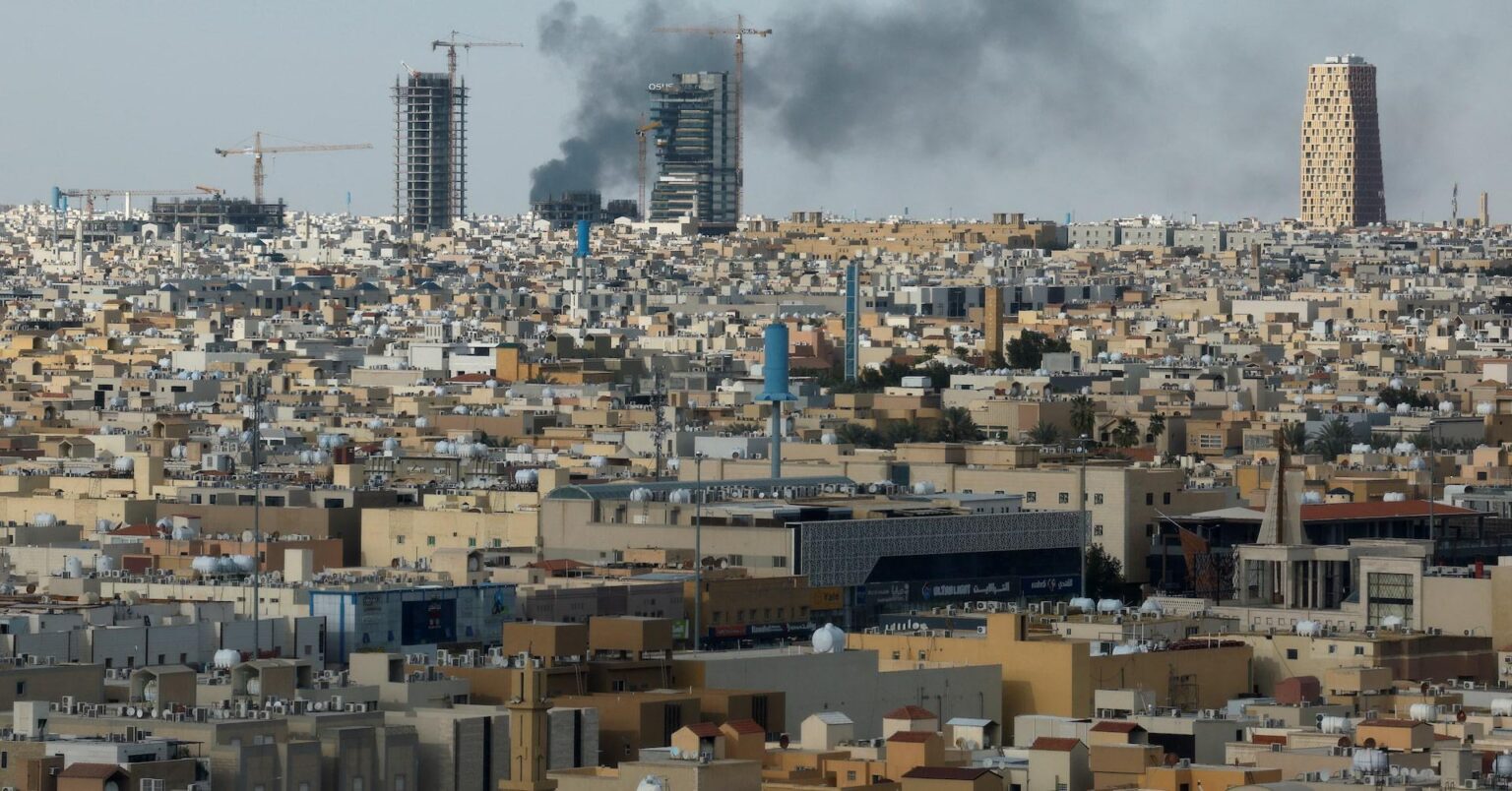
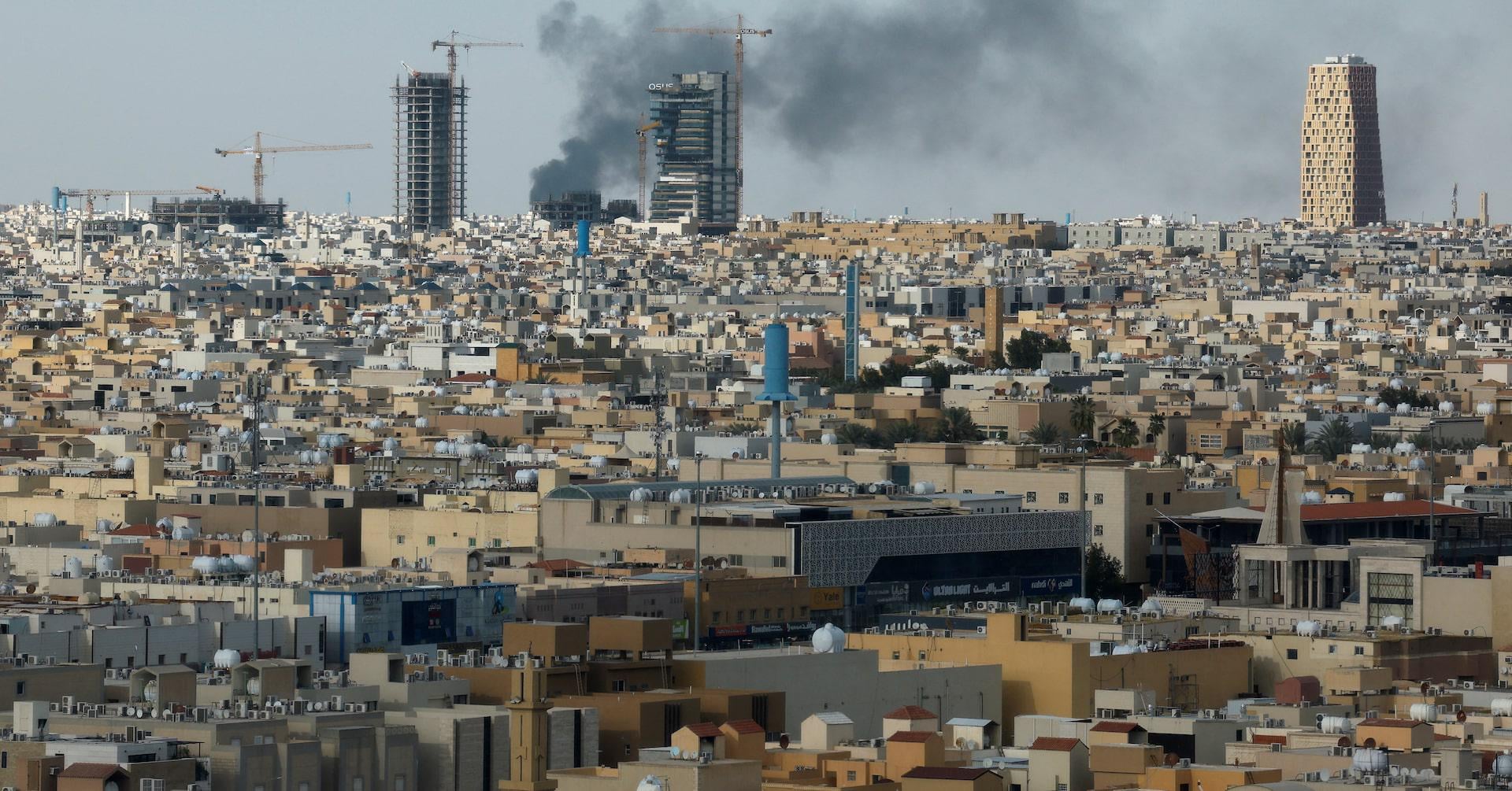
Saudi Arabia has warned Iran that if attacks on Saudi territory and energy infrastructure continue, Riyadh will permit U.S. military operations from its bases, though it has emphasized it has not allowed such use thus far. This message, delivered by Saudi Foreign Minister Prince Faisal bin Farhan on March 5, came before Iranian President Pezeshkian’s apology to Gulf states for recent strikes that hit civilian targets. However, Iran maintains its attacks targeted U.S. and Israeli military bases, not the Gulf states themselves, and internal divisions within Iran’s leadership are evident.
WoIfed on
The GCC are defending their countries very well but their position right now makes them really weak. It’s clear as day that they are scared to death of Iran. They simply accept their sovereignty being violated
Naurgul on
Is it actually true that Saudi Arabia isn’t letting the US use its resources to attack Iran? Given the fact that Saudi Arabia along with Israel is one of the countries that pushed the US to start this war the most, it seems unlikely.
SuperNewk on
Saudi wants NVDA chips lol. They will do anything to make sure they won’t get cut off
Pleasant_Arugula7571 on
The Saudi warning is essentially a formal line drawn to prevent horizontal escalation. What makes this significant from an energy markets perspective is the implication for Aramco infrastructure vulnerability. Saudi was already nervous after Abqaiq and Khurais in 2019. A direct Iranian attack on Saudi soil in this environment triggers a different supply shock than Hormuz alone.
GeoPulse models the branching here: the most likely path (68%) has Iran continuing to target US/Israeli assets while specifically avoiding GCC infrastructure, knowing Saudi entry would fundamentally change US domestic political constraints on the operation. The remaining scenarios get ugly fast for oil markets.
The NVDA chip comment below also gets at something real — GCC economic transformation ambitions ($200B in US investment commitments, Vision 2030 tech partnerships) act as a genuine deterrent. Iran understands this leverage exists. geopulselabs.com has the full scenario model with asset allocation implications.

5 Comments
Saudi Arabia has warned Iran that if attacks on Saudi territory and energy infrastructure continue, Riyadh will permit U.S. military operations from its bases, though it has emphasized it has not allowed such use thus far. This message, delivered by Saudi Foreign Minister Prince Faisal bin Farhan on March 5, came before Iranian President Pezeshkian’s apology to Gulf states for recent strikes that hit civilian targets. However, Iran maintains its attacks targeted U.S. and Israeli military bases, not the Gulf states themselves, and internal divisions within Iran’s leadership are evident.
The GCC are defending their countries very well but their position right now makes them really weak. It’s clear as day that they are scared to death of Iran. They simply accept their sovereignty being violated
Is it actually true that Saudi Arabia isn’t letting the US use its resources to attack Iran? Given the fact that Saudi Arabia along with Israel is one of the countries that pushed the US to start this war the most, it seems unlikely.
Saudi wants NVDA chips lol. They will do anything to make sure they won’t get cut off
The Saudi warning is essentially a formal line drawn to prevent horizontal escalation. What makes this significant from an energy markets perspective is the implication for Aramco infrastructure vulnerability. Saudi was already nervous after Abqaiq and Khurais in 2019. A direct Iranian attack on Saudi soil in this environment triggers a different supply shock than Hormuz alone.
GeoPulse models the branching here: the most likely path (68%) has Iran continuing to target US/Israeli assets while specifically avoiding GCC infrastructure, knowing Saudi entry would fundamentally change US domestic political constraints on the operation. The remaining scenarios get ugly fast for oil markets.
The NVDA chip comment below also gets at something real — GCC economic transformation ambitions ($200B in US investment commitments, Vision 2030 tech partnerships) act as a genuine deterrent. Iran understands this leverage exists. geopulselabs.com has the full scenario model with asset allocation implications.