
Published on
March 8, 2026
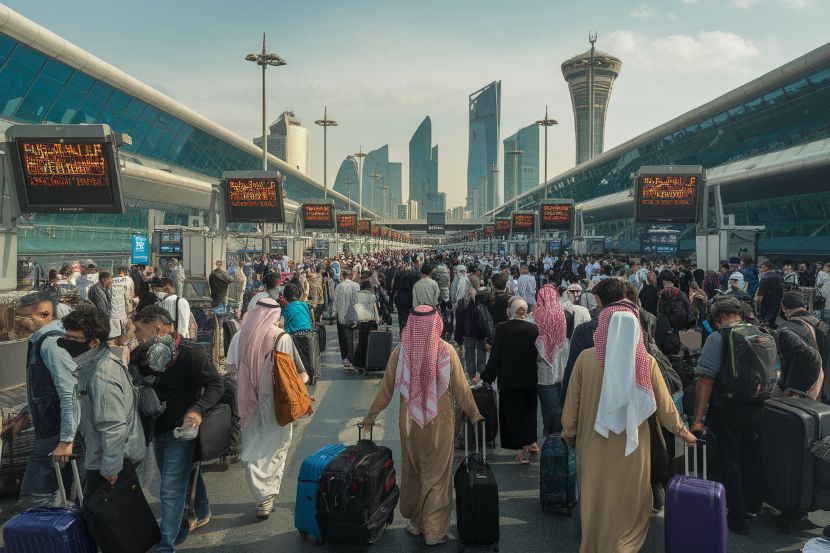
Image generated with Ai
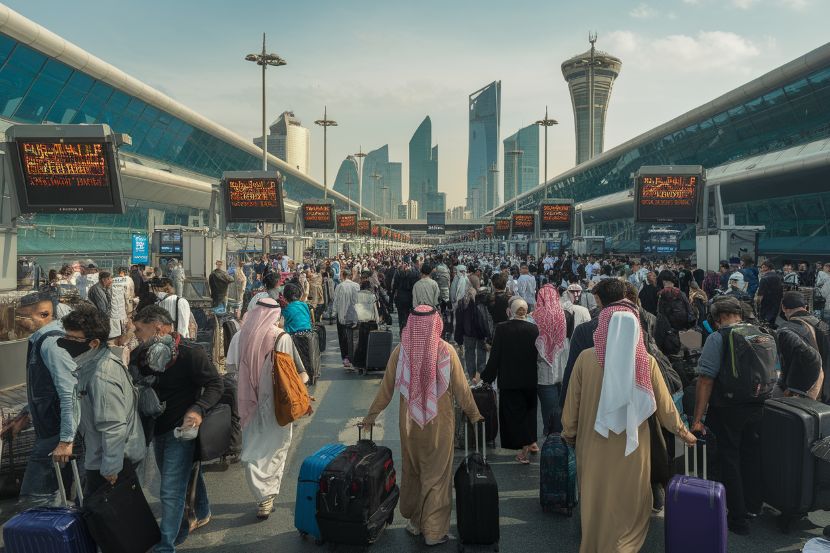
Travel chaos has engulfed Muslim pilgrims across Saudi Arabia as the ongoing conflict in the Middle East has severely disrupted flights and travel arrangements. Over 58,000 Indonesian pilgrims are reportedly stranded, while 1,600 Malaysians and travelers from Egypt, the United States, and other countries are also facing cancellations and delays. Authorities from affected nations are scrambling to provide logistical support and alleviate the financial burden on pilgrims stuck in hotels and transit hubs. The crisis has not only created emotional stress but also highlighted the challenges of managing international religious travel during geopolitical unrest. Despite the turmoil, some pilgrims are attempting to continue their Umrah journeys, demonstrating resilience and devotion amid extraordinary circumstances. This unprecedented disruption emphasizes the importance of flexible travel planning for international religious tourism.
Stranded Pilgrims: A Humanitarian and Travel Challenge
The Middle East conflict has created a sudden humanitarian challenge for thousands of pilgrims visiting Saudi Arabia for Umrah. Indonesian officials are negotiating with local authorities and airlines to reduce unexpected costs for stranded travelers, including accommodations and return flights. Those planning to travel for Umrah in the upcoming weeks are being advised to postpone trips until conditions stabilize.
The situation has affected not just Southeast Asian pilgrims but also individuals from the United States, Egypt, and other regions, highlighting how geopolitical instability can ripple through international travel networks. Airports in the Gulf serve as critical global transit hubs, meaning that disruption in one country often impacts passengers traveling to Europe, Africa, and Asia.
Indonesia and Malaysia: Coordinated Efforts to Assist Stranded Citizens
Indonesia, home to the world’s largest Muslim population, typically sends hundreds of thousands of pilgrims to Saudi Arabia each year, particularly during Ramadan. Amid the current crisis, Indonesian authorities are actively negotiating with airlines to reschedule flights and provide financial support for lodging.
Advertisement
Advertisement
Similarly, Malaysia has mobilized a 24-hour operations center in Jeddah to monitor the situation and assist citizens. Malaysia Airlines has temporarily resumed flights from Jeddah and Medina, aiming to expedite the return of stranded pilgrims. Both countries emphasize safety and caution, urging travelers to postpone non-essential pilgrimages while supporting those already en route or in Saudi Arabia.
Emotional Toll on Travelers: Beyond Logistics
The disruption is taking a significant emotional toll on pilgrims. Travelers report anxiety over uncertain flight schedules, unplanned hotel expenses, and the inability to reunite with family. Many describe a sense of disappointment as their spiritual journeys, intended for reflection and devotion, are overshadowed by geopolitical instability.
Advertisement
Advertisement
Despite these challenges, some pilgrims who are already in Saudi Arabia continue to engage in religious rituals, balancing devotion with practical travel concerns. Observing safety guidelines and staying informed of updates has become essential for anyone attempting to maintain their pilgrimage plans amid this crisis.
Overland and Alternative Travel Routes: Navigating Disrupted Flights
With flights canceled or delayed, some pilgrims have sought alternative routes, including overland travel to neighboring countries. Travelers from Egypt, for instance, have opted to reach destinations like Kuwait by road when flights were no longer viable. Pilgrims are advised to prepare contingency plans, such as flexible hotel bookings and alternative transportation options, to mitigate stress during unforeseen disruptions.
Travel experts recommend securing travel insurance that covers conflict-related cancellations and maintaining daily communication with airlines and local authorities to ensure safety and timely updates.
Travel Tips for Pilgrims Amid Middle East Unrest
- Postpone Non-Essential Trips: If travel is not urgent, delaying Umrah until the situation stabilizes reduces financial and emotional risks.
- Stay Connected: Regularly check updates from embassies, airlines, and local authorities.
- Flexible Accommodations: Choose hotels or lodging with changeable booking policies to handle unexpected delays.
- Alternative Routes: Consider overland travel or secondary airports to avoid bottlenecks at major transit hubs.
- Emergency Funds: Keep extra funds accessible for unplanned expenses such as extended stays or alternative transport.
- Travel Insurance: Ensure policies cover cancellations and disruptions caused by geopolitical conflicts.
Global Pilgrimage Tourism Under Pressure
The disruption of Umrah travel in Saudi Arabia demonstrates the vulnerability of religious tourism to geopolitical instability. Countries with large Muslim populations, like Indonesia and Malaysia, experience high seasonal demand for pilgrimages, making coordinated emergency planning critical. Tour operators and travel agencies may need to adapt by offering flexible packages, insurance options, and real-time assistance during crises.
Moreover, travelers from Western nations also face unique challenges, as cancellations may require rerouting flights through multiple hubs, increasing both costs and stress. Pilgrims are reminded to focus on personal safety, maintain situational awareness, and approach travel with contingency plans during unpredictable times.
Lessons for Future Pilgrimage Travelers
This crisis highlights the importance of resilient planning for religious travel. Pilgrims should:
- Prioritize safety over schedule.
- Monitor international advisories before departure.
- Maintain updated contact information with embassies or consulates.
- Consider travel periods outside peak pilgrimage seasons to reduce congestion and risk.
While spiritual devotion remains central to the pilgrimage experience, practical preparation has emerged as equally essential during times of international tension.
Travel Resilience Amid Spiritual Commitment
Despite significant disruptions, many pilgrims continue their Umrah journeys with determination and faith. While geopolitical instability has overshadowed travel plans, the commitment of thousands of Muslim pilgrims underlines the enduring importance of religious tourism in Saudi Arabia. Authorities and travelers alike are learning to navigate these extraordinary circumstances, balancing spiritual aspirations with safety and logistical prudence.
This event serves as a reminder to all international travelers that preparation, flexibility, and awareness of global events are critical to a smooth journey, particularly during high-stakes religious tourism periods like Ramadan.
