
Published on
March 9, 2026
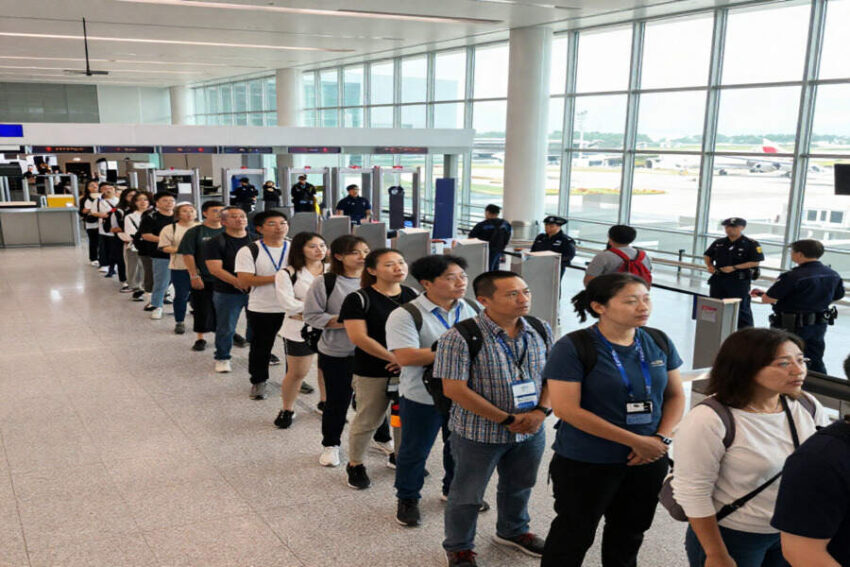
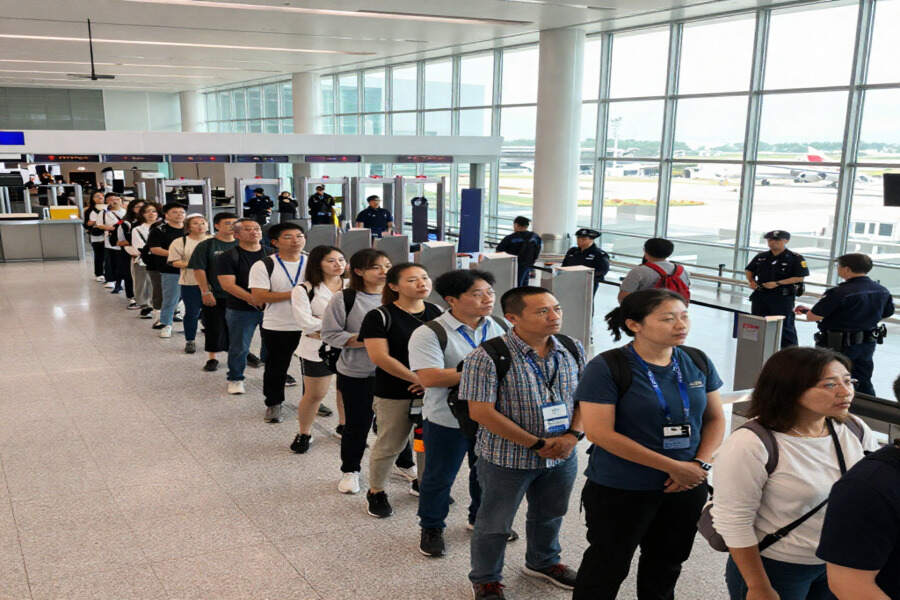
Image generated with Ai
Spain has joined Germany, Iceland, Netherlands, Luxembourg, Bulgaria, Romania, Italy, and several other European countries in issuing a travel warning for tourists to prepare for longer waiting times and potential disruptions at airports due to the new Entry Exit System (EES) coming into full effect. This system, which requires biometric data such as fingerprints and photos from travelers entering the Schengen Area, is expected to cause significant delays at border control points, especially during peak travel periods. As the system is rolled out across Europe, travelers are urged to allow extra time for processing and to be prepared for possible queues at immigration checkpoints.
Starting on April 10, a new border control system will be fully implemented across all European airports, including those in Spain, Portugal, and Greece. The Entry Exit System (EES) will require British travelers to provide biometric data, such as fingerprints and photographs, when entering the Schengen Area. This new system is expected to create significant changes in the way border checks are carried out and could lead to longer waiting times at airport immigration checkpoints.
The EES, first introduced in October at selected airports, aims to strengthen security and streamline entry processes within the Schengen Area. For the past few months, the system has been gradually rolled out, with more countries adopting it. By April 2026, all 29 Schengen countries are expected to have fully integrated the system, making it mandatory for travelers to submit biometric data when crossing borders. While the EES is designed to improve efficiency, it is already generating concerns about delays, particularly during peak travel periods.
British tourists, in particular, have been warned to prepare for potential queues and longer wait times as the system is fully implemented. The biometric checks are expected to take a few minutes per person, adding additional processing time for each traveler. Airport authorities are advising passengers to be prepared for longer than usual delays at border control. Many have raised concerns that queues could become particularly long during the busy summer travel season, potentially extending to four hours for non-EU passengers.
Advertisement
Advertisement
Airport organizations have voiced their concerns about the EES, calling for an immediate review of the system’s implementation. They argue that it is causing significant delays at borders, especially for non-EU travelers. The new system is expected to impact the flow of passengers at major European airports, including those in popular tourist destinations like Spain, France, and Italy. Airport officials have warned that without immediate adjustments, the system could become a major bottleneck for travelers arriving in Europe.
In addition to the biometric data requirements, travelers entering the Schengen Area will be subject to additional entry checks under the EES. This new procedure comes at a time when other changes in travel policies have also created confusion for British nationals. For instance, British nationals with dual citizenship could be turned away at the UK border unless they carry a British passport. This rule is set to affect tourists who are returning to the UK from their European vacations, further complicating international travel.
Advertisement
Advertisement
Despite concerns, the EES has already begun operating in select airports, with early trials showing mixed results. While the system promises to improve security and ensure smoother border crossings in the long term, many travelers have experienced longer wait times and delays. As the system expands, the authorities have indicated that travelers should expect longer lines and possible disruptions during the transition period. However, the government has assured the public that they are working to improve the system and reduce delays where possible.
For those planning to travel to or from the Schengen Area in the coming months, it is important to familiarize themselves with the new requirements and plan accordingly. As the system becomes fully operational on April 10, British nationals and other non-EU travelers will need to allow extra time for processing at airports. Travelers should be prepared to provide their fingerprints and photographs at border control points and remain patient as the system continues to be fine-tuned.
Advertisement
Advertisement
The full implementation of the EES will impact all 29 Schengen countries, which include some of the most popular travel destinations in Europe. These countries include:
- Austria
- Belgium
- Bulgaria
- Croatia
- Czech Republic
- Denmark
- Estonia
- Finland
- France
- Germany
- Greece
- Hungary
- Iceland
- Italy
- Latvia
- Liechtenstein
- Lithuania
- Luxembourg
- Malta
- Netherlands
- Norway
- Poland
- Portugal
- Romania
- Slovakia
- Slovenia
- Spain
- Sweden
- Switzerland
Travelers to these countries should be aware that the EES will require biometric data collection, and they should anticipate potential delays at border crossings. The system aims to improve security and facilitate smoother travel within the Schengen Area, but its introduction has already sparked concerns about the impact on airport operations.
Spain has joined Germany, Iceland, Netherlands, Luxembourg, Bulgaria, Romania, Italy, and more in issuing a travel warning for tourists to prepare for longer waiting times and disruptions at European airports due to the full implementation of the new Entry Exit System. This system, which requires biometric data collection, is expected to cause significant delays at border control during peak travel periods.
With the new border control measures set to be fully in effect by April 10, 2026, passengers are advised to stay updated on the latest travel guidelines and prepare for possible disruptions. While the system is designed to enhance border security, travelers should be prepared to adjust their expectations and allow extra time for processing at airports. The EES is expected to become a permanent feature of travel to the Schengen Area, so understanding the new system will be crucial for travelers in the coming months and years.
