
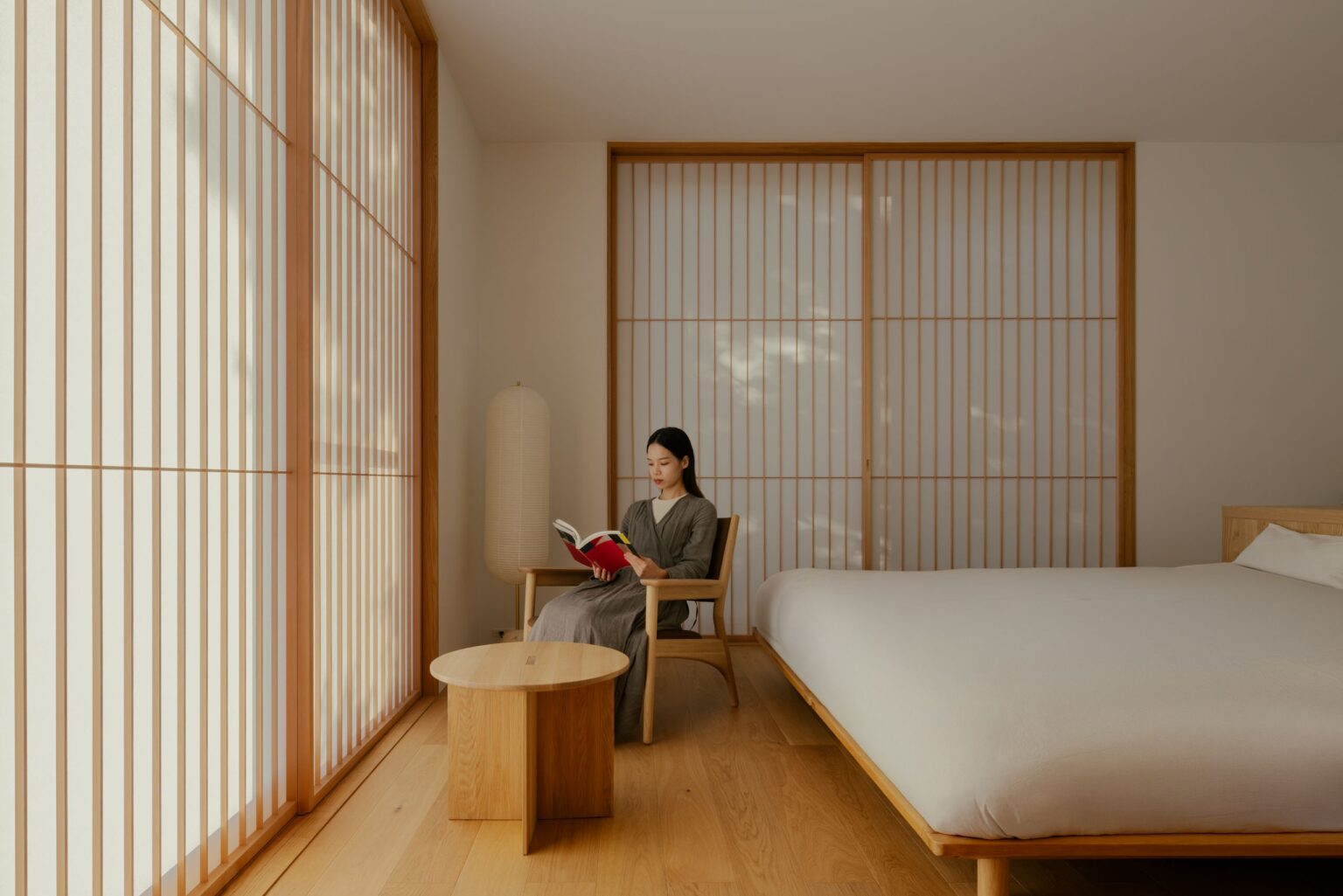
This Kyoto home in the ancient capital of Japan might not shout about its contemporary credentials – and rightly so, as this is a historical city with strict preservation rules when it comes to architecture. At the same time, many architects are called to explore upgrading their urban fabric as needs evolve and residents call for the reimagining of their period properties. Such was the case of House in Narutaki, a private residential project recently completed by kooo architects in the city’s namesake neighbourhood.
(Image credit: Keishin Horikoshi/SS)
Explore this Kyoto home by kooo architects
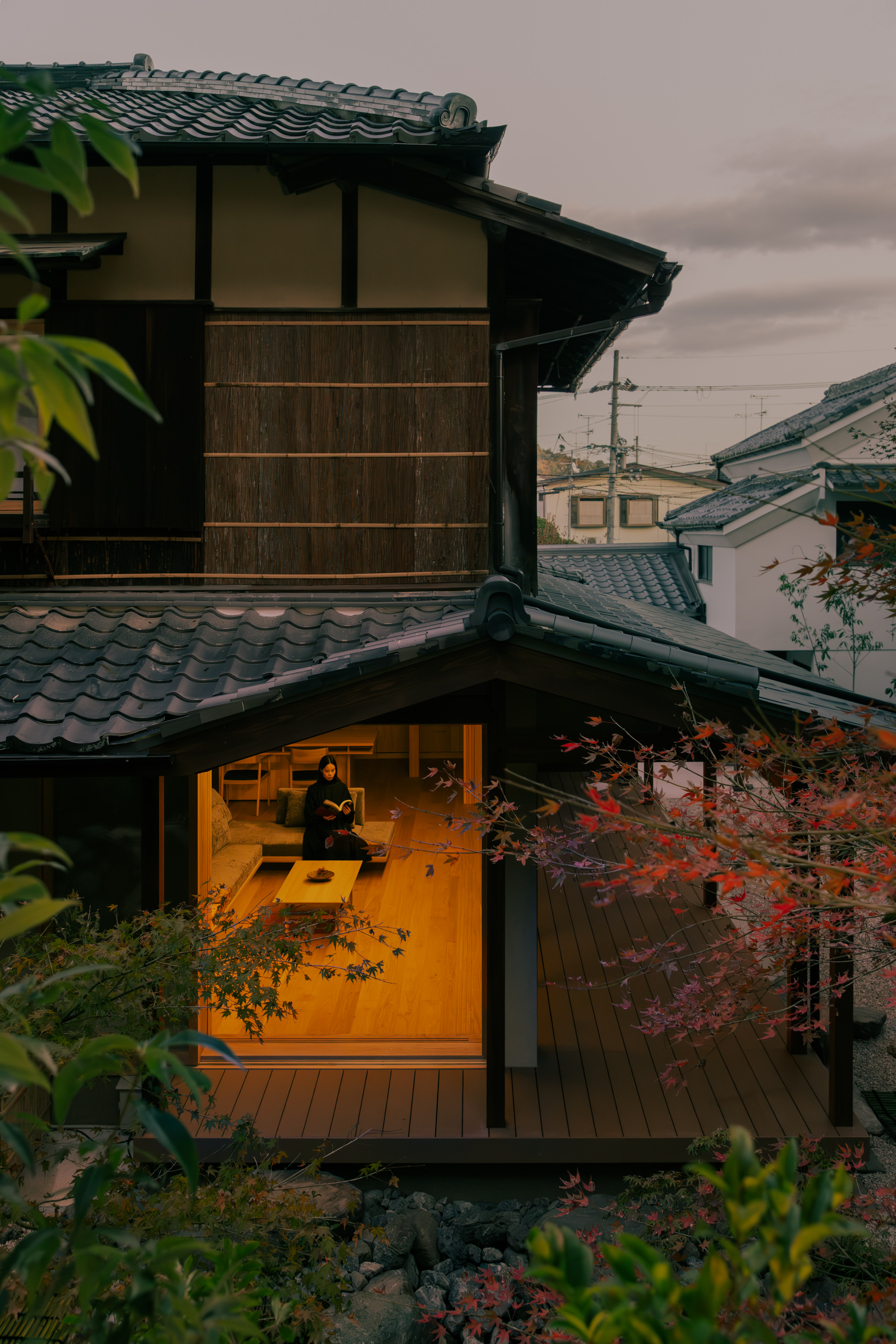
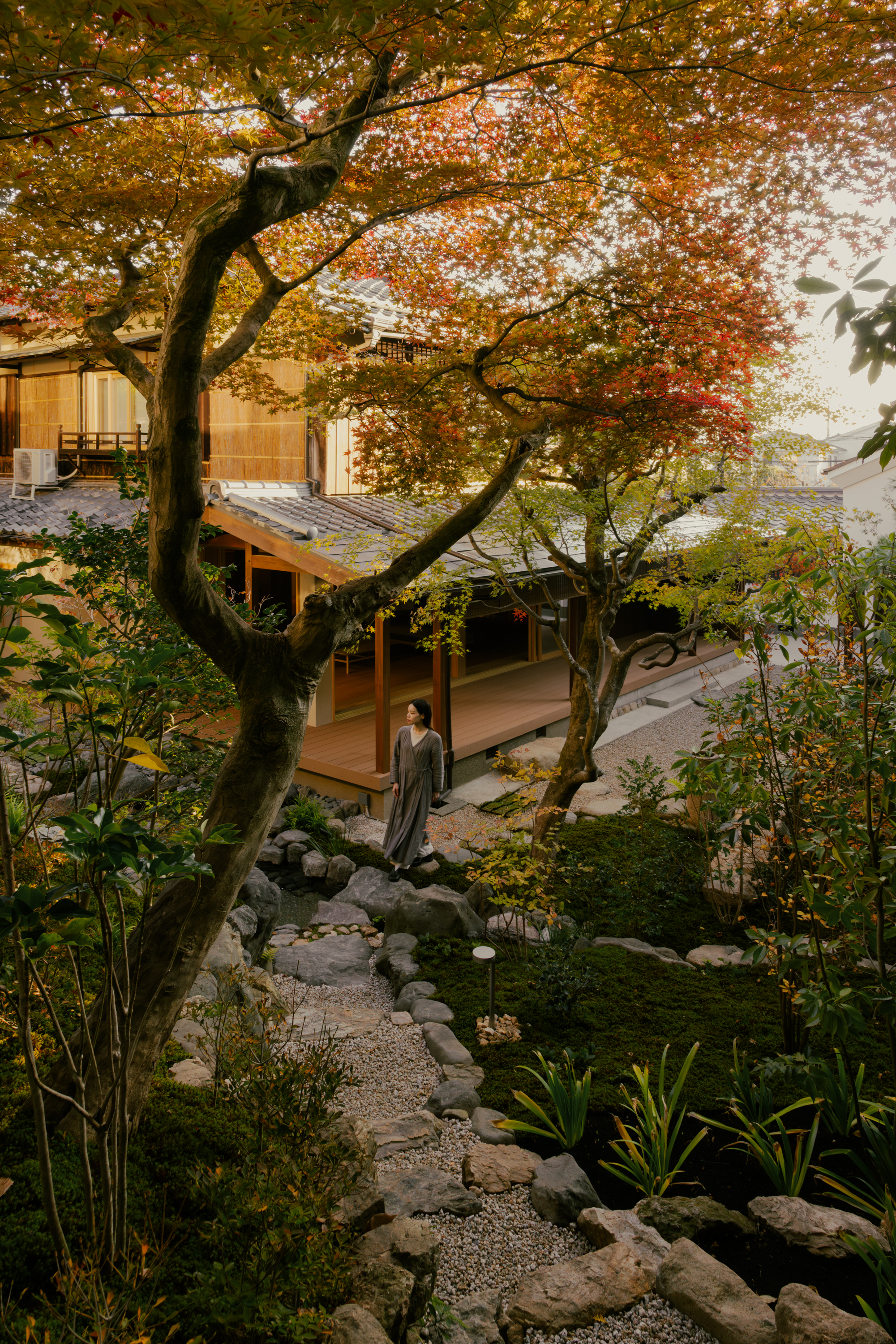
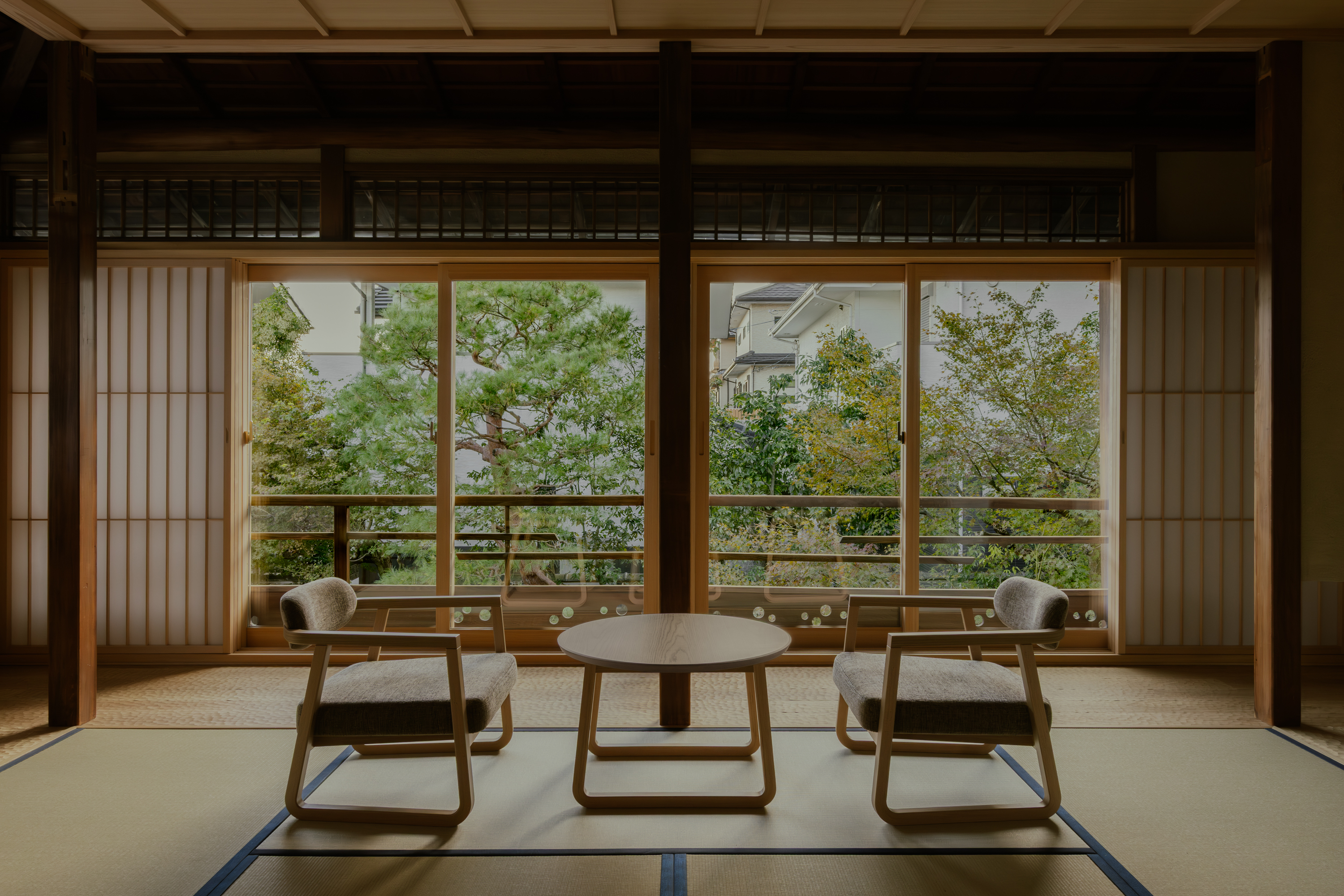
The architects were commissioned for the renovation of a traditional Sukiya-style house in the district of Narutaki. The privileged plot meant leafy environs wrapped in historical surroundings, as well as long views of the scenic landscape of western Kyoto (Rakusei). At the same time, a rich, mature garden provides not only a pleasant closer vista, but also a spectacle of colours as the seasons change. It was this vibrant and layered environment that the architecture team was called upon to operate in.
(Image credit: Keishin Horikoshi/SS)
(Image credit: Keishin Horikoshi/SS)
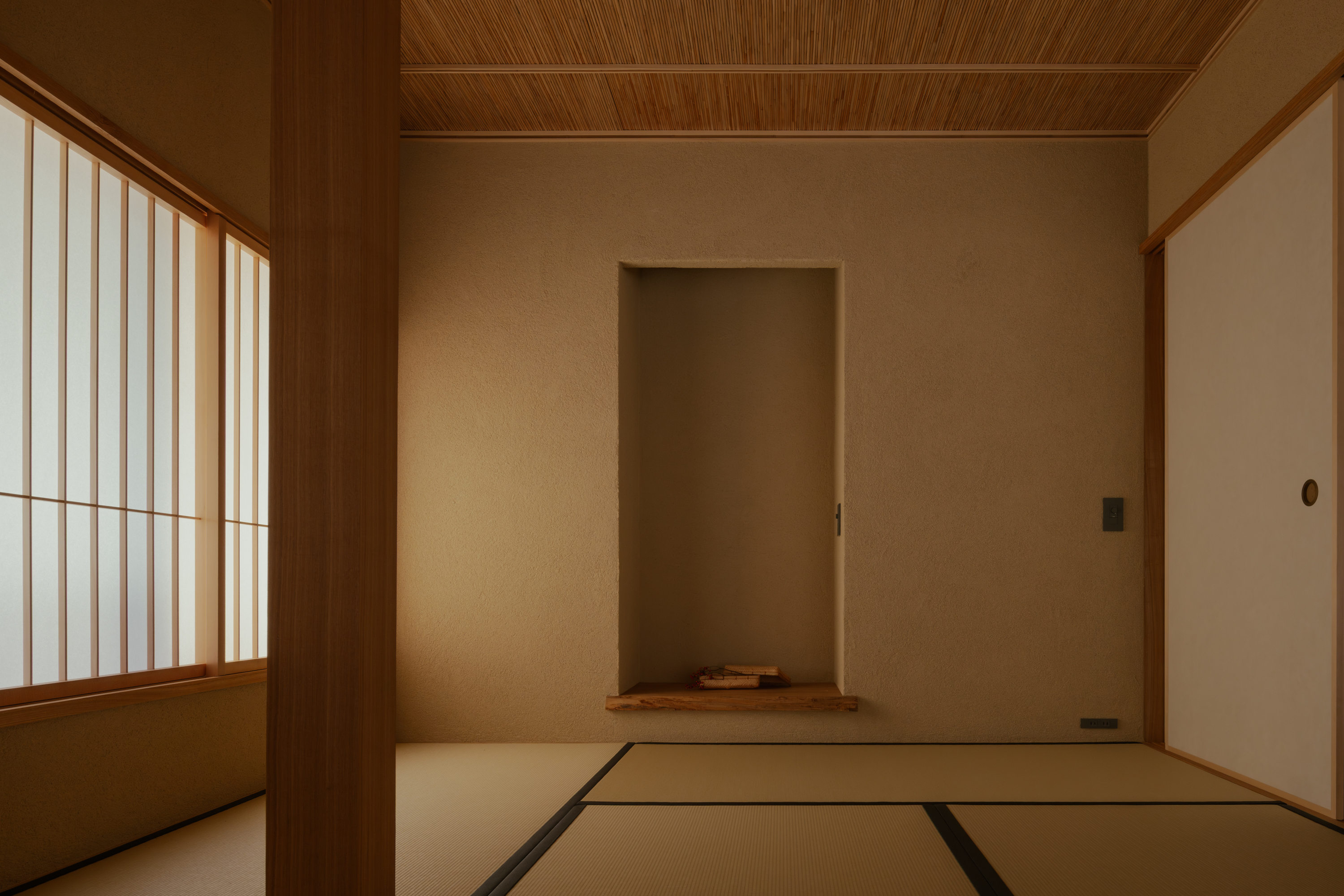
Right from the start, the architects knew they had to respect the existing home’s precious architectural character. Sukiya structures were associated with the culturally important Japanese tea ceremonies, and were typically timber constructions using large open spaces and natural materials. The architects sought to implement the same approach with their modern interpretation of the genre, nodding to the past, while refining details and function for the present and future.
(Image credit: Keishin Horikoshi/SS)
(Image credit: Keishin Horikoshi/SS)
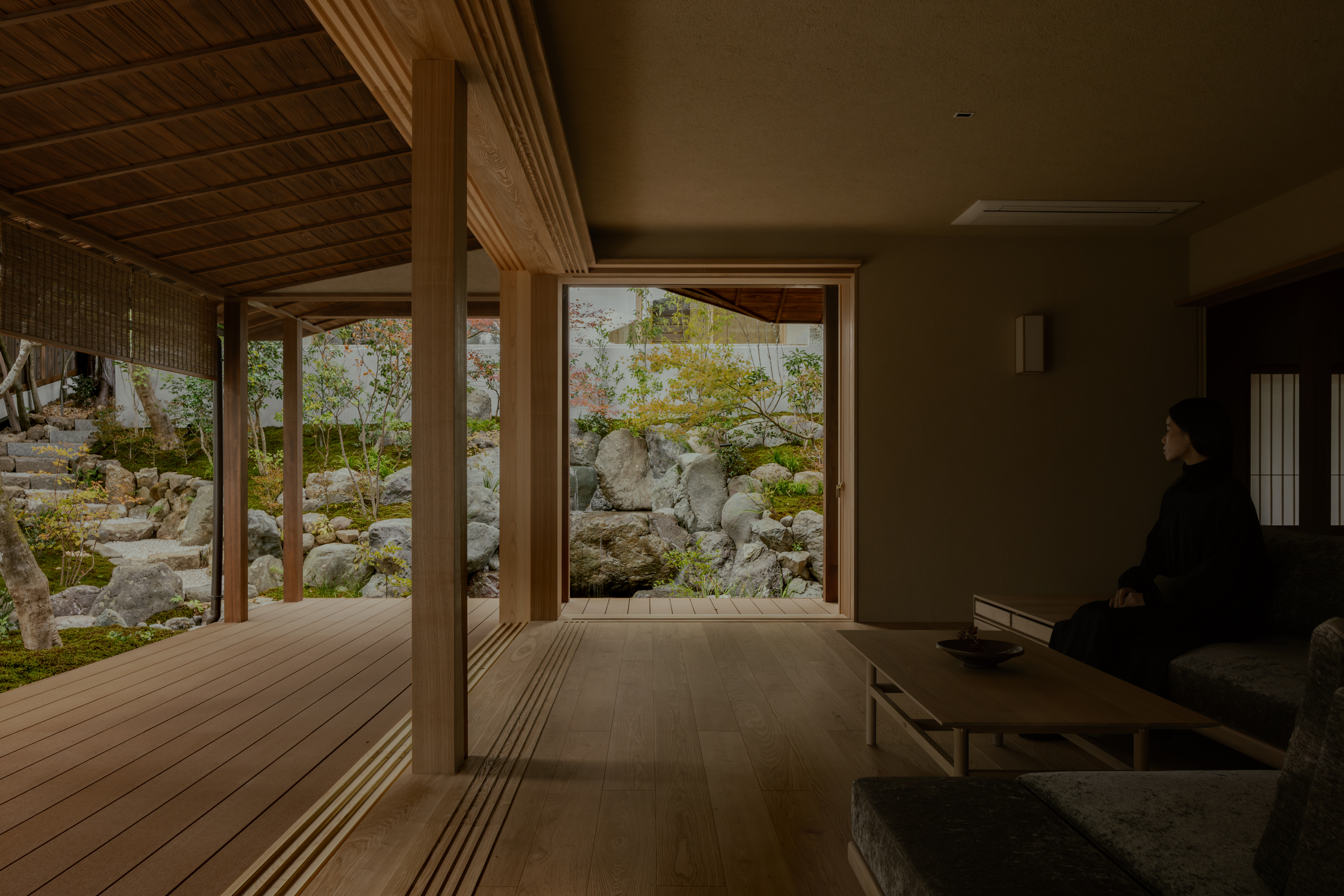
The Kyoto home’s original tatami rooms – which had, over the years, been tinkered with and altered beyond recognition – were transformed into three, flowing yet distinct spaces. One is an earthen-floored passage that connects the main structure’s two wings, as well as links it to a smaller, detached annex. The second space is a generous reception room, and the third is a garden room, created with the sole purpose of allowing the residents to enjoy the serene outdoors.
(Image credit: Keishin Horikoshi/SS)
Local craftspeople and designers worked on perfecting the overall feel through key built-in details throughout. There are fusuma sliding doors by Noda Hanga Studio separating different areas, exposed cherry wood beams, and traditional Juraku plaster on walls and ceilings.
(Image credit: Keishin Horikoshi/SS)
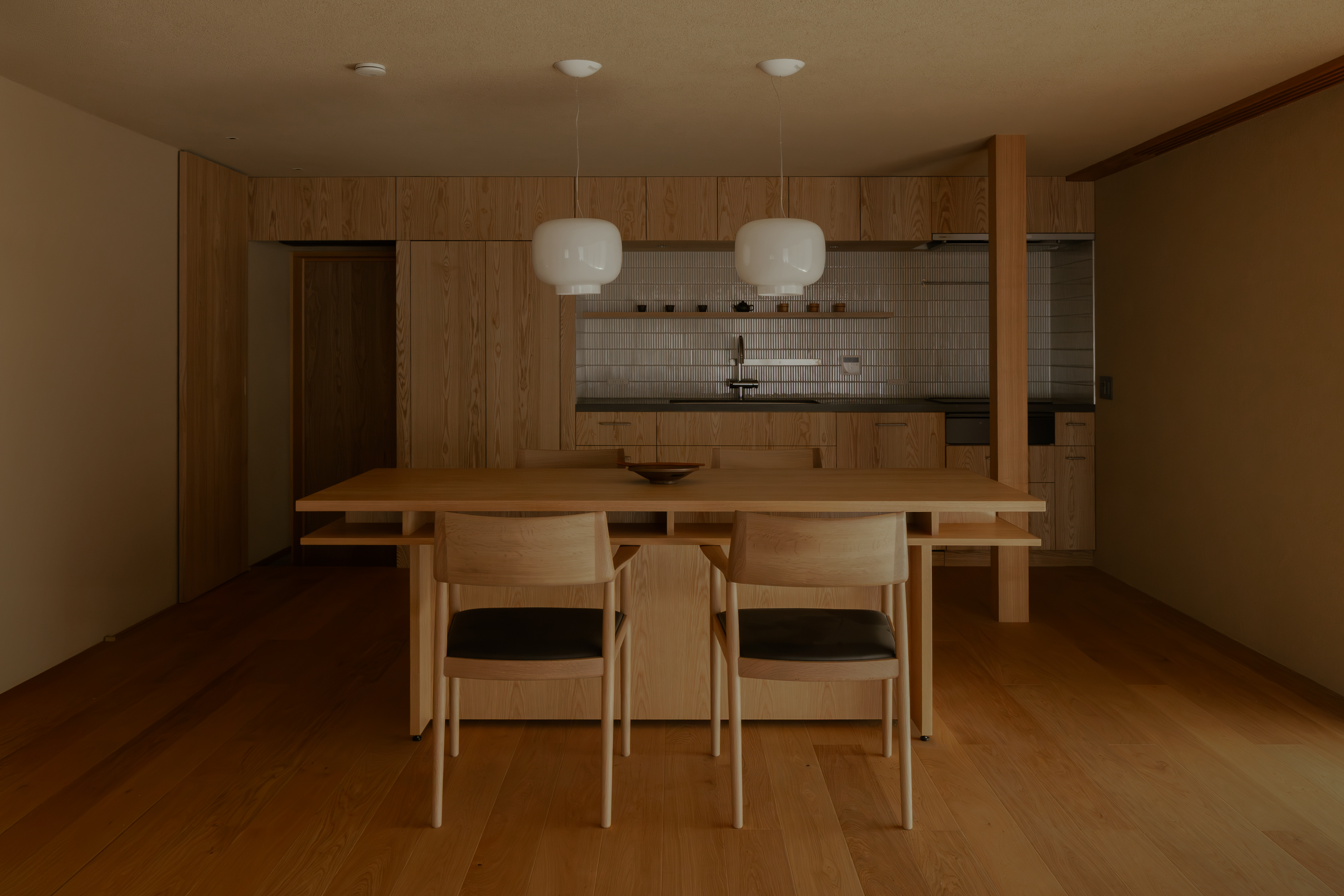
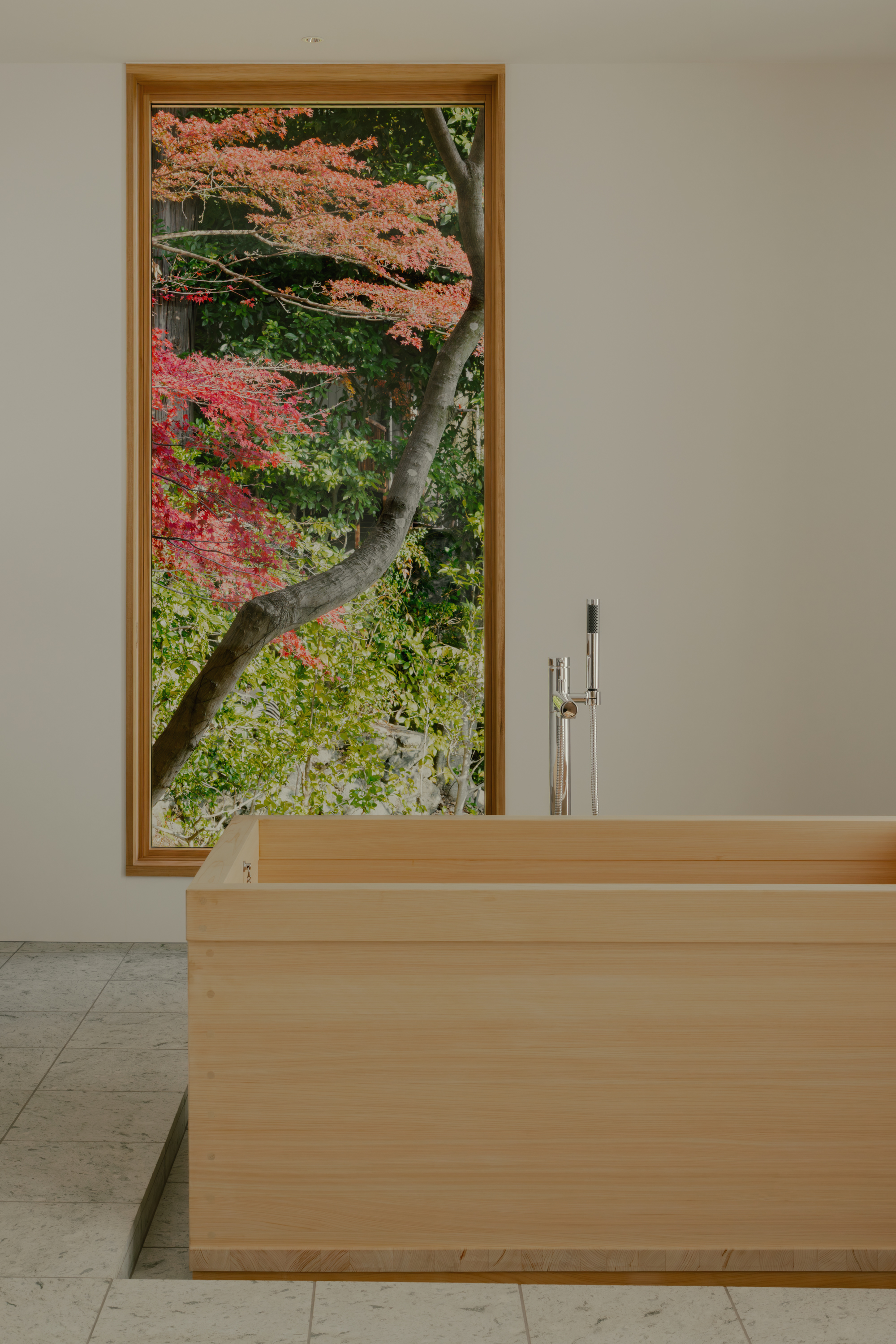
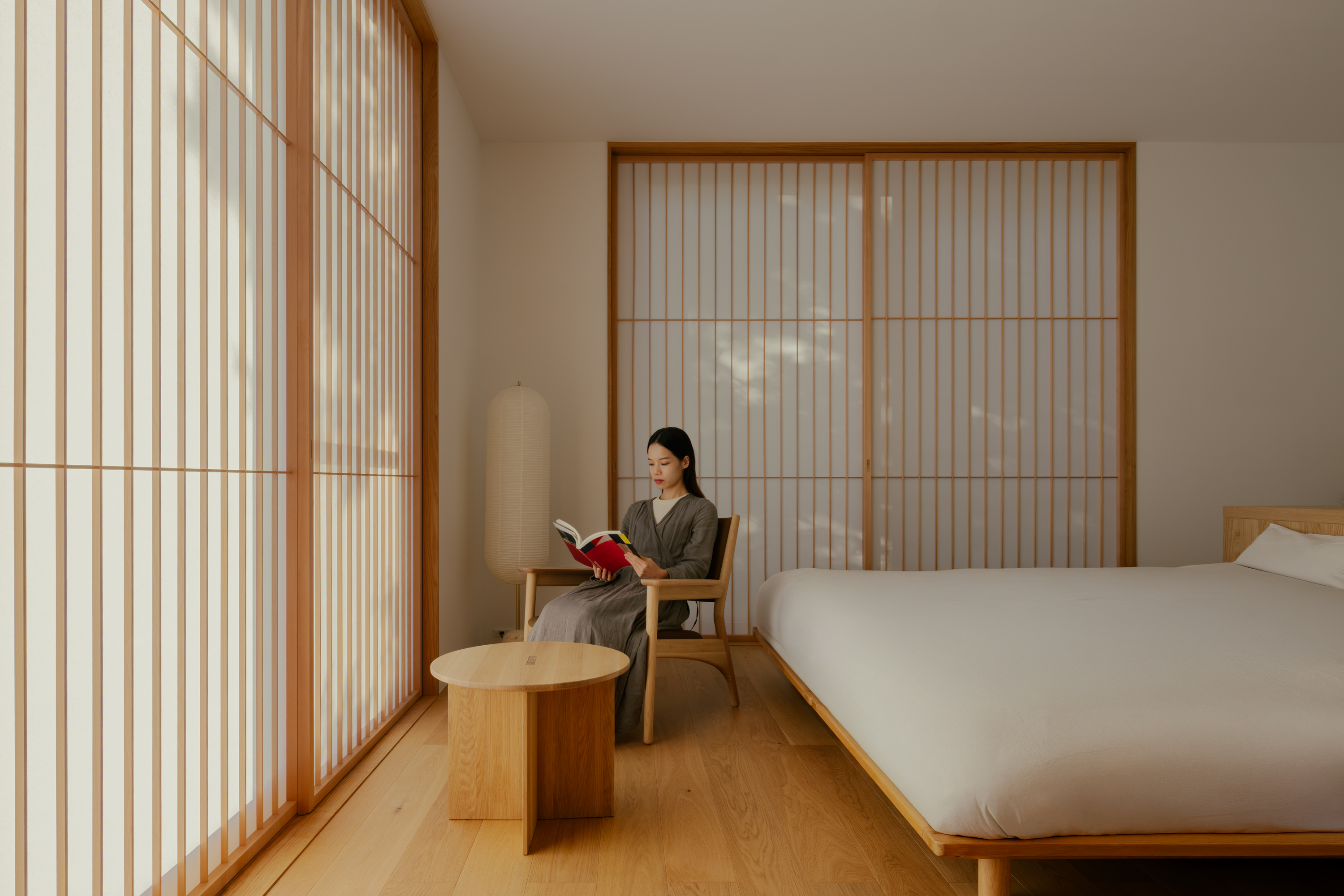
The project’s annex is new and contains the main residence, including three guest rooms. Hinoki baths and dappled light through translucent window screens are just some of the elements that make up an ethereal living experience in this property, ensuring it remains connected to the adjacent period building’s origins.
(Image credit: Keishin Horikoshi/SS)