
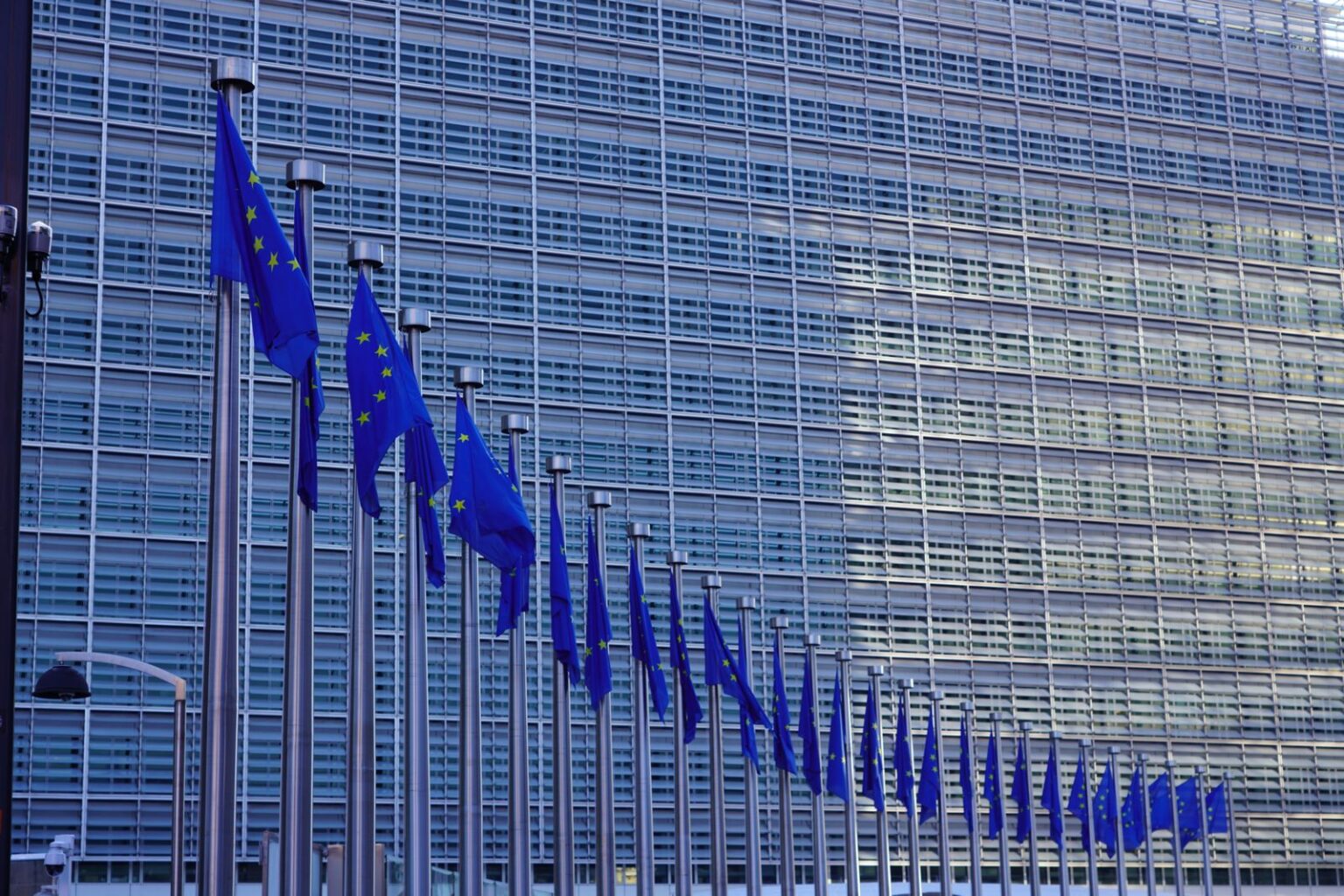
EU leaders António Costa and Ursula von der Leyen held a video conference with regional leaders from Jordan, Egypt, Bahrain, Lebanon, Syria, Türkiye, Armenia, Iraq, Qatar, Kuwait, the United Arab Emirates, Saudi Arabia and Oman, in what Brussels described as a continued effort to maintain dialogue and contain the fallout from the war.
The call reflected the extent to which the conflict has moved from a regional security crisis to a matter of direct European concern. In their joint statement, Costa and von der Leyen said discussions focused on the latest developments in the war, including attacks on countries across the region and the consequences for energy security. They said the EU was ready to contribute “in every possible way” to de-escalation and to efforts aimed at returning the parties to negotiations, while reiterating that diplomacy remained the only viable route forward.
This line was consistent with the position agreed by EU foreign ministers at an informal video conference on 1 March. At that meeting, ministers discussed outreach to regional partners, the possible economic consequences of the crisis and the consular implications for EU citizens. In a statement issued afterwards, the EU called for maximum restraint, protection of civilians and full respect for international law. It also said that the disruption of critical waterways such as the Strait of Hormuz had to be avoided, underlining the degree to which the war has become tied to European economic interests as well as foreign policy.
Energy and shipping now sit at the centre of Brussels’ calculations. The EU leaders’ statement said participants had discussed attacks on energy infrastructure and the closure of the Strait of Hormuz, with an emphasis on their effect on global energy security. The statement also pointed to possible strengthened cooperation with Middle Eastern partners to mitigate those risks. A parallel concern is maritime traffic. Costa and von der Leyen recalled the importance of the EU’s naval operations ASPIDES and ATALANTA in protecting critical waterways and preventing disruption to supply chains, and said they were open to adapting and reinforcing those missions in response to the deteriorating situation.
That debate is already moving beyond Brussels communiqués into concrete military planning by member states. Reuters reported on Monday that France is deploying about a dozen naval vessels, including its carrier strike group, to the Mediterranean, the Red Sea and potentially the Strait of Hormuz in support of allies threatened by the conflict. President Emmanuel Macron said European governments had to guarantee freedom of navigation and maritime security, while Greek Prime Minister Kyriakos Mitsotakis called for ASPIDES to be reinforced with more vessels. Oil prices had moved above $100 a barrel as the conflict escalated, sharpening concern across Europe over the economic consequences of a prolonged war.
A further European concern is the movement of people. The EU statement after Monday’s leaders’ call expressed deep concern over the impact of the regional crisis on Lebanon, saying the conflict was causing large-scale displacement and placing civilians under severe pressure. Von der Leyen announced the mobilisation of ReliefEU stocks to support about 130,000 people in Lebanon, with a first flight scheduled for the following day. The same statement also thanked regional governments for helping repatriate tens of thousands of stranded European citizens since the war began, showing that consular and humanitarian questions are now running alongside diplomacy and security planning.
The wider political message from Brussels is that the EU does not intend to remain a passive observer while the conflict reshapes its neighbourhood. On Monday, von der Leyen said Europe needed a more “realistic and interest-driven” foreign policy, arguing that spillover effects from the war were being felt across energy, finance, trade and transport and were also generating displacement. That language suggests the Commission increasingly views the Middle East crisis not only as a foreign policy test, but as a direct challenge to European resilience.
Post Views: 977