
Published on
March 10, 2026
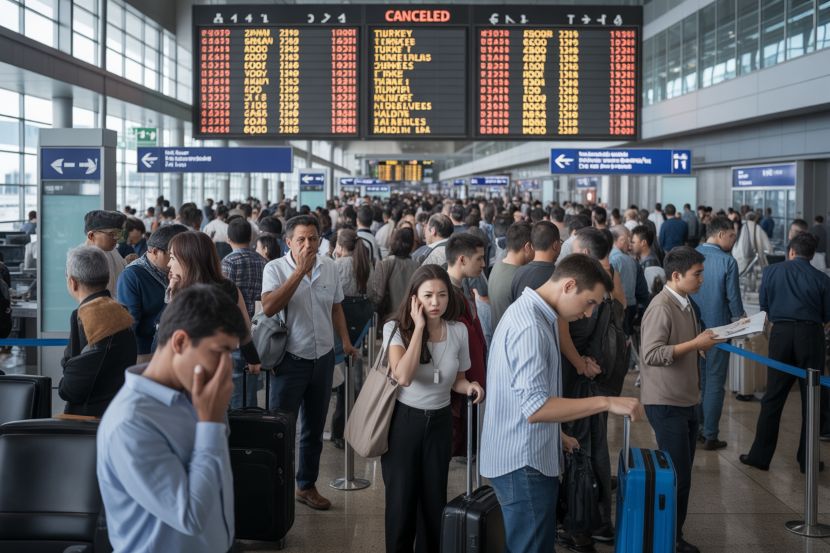
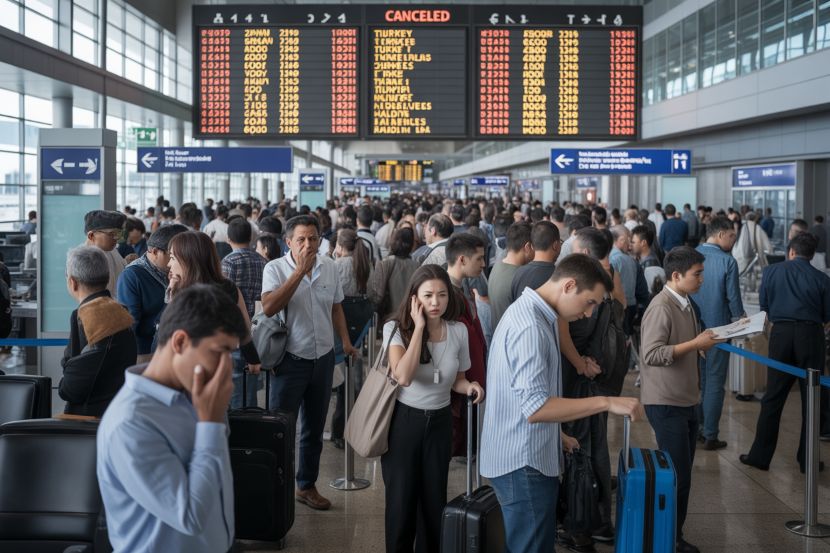
Image generated with Ai
As the ongoing conflict in the Middle East continues to escalate, travelers planning visits to popular destinations such as Cyprus, Turkey, and the Maldives are urged to review their travel plans. The UK Foreign Office has updated its guidance for these countries, citing concerns over airspace closures, flight cancellations, and potential security risks. With military actions between the United States, Israel, and Iran intensifying, travelers are faced with uncertainties as the situation develops.
Impact of Middle East Conflict on Travel to Cyprus, Turkey, and The Maldives
The escalating war between the United States, Israel, and Iran has led to significant disruptions in international travel. The UK Foreign Office has responded by issuing updated travel advice for several countries, including Cyprus, Turkey, and the Maldives. These destinations, while not directly involved in the conflict, are still experiencing ripple effects due to airspace restrictions, flight cancellations, and potential security risks.
In particular, Cyprus, Turkey, and the Maldives are seeing disruptions caused by the ongoing conflict and heightened risks for travelers. UK nationals have already been evacuated from areas like Oman and the United Arab Emirates, and it is expected that more evacuations could occur in the coming weeks, further complicating travel plans for those intending to visit the region.
Cyprus Travel Advisory: Increased Terrorist Risks
Cyprus, a popular destination for British tourists, remains open for travel, but the Foreign Office has issued a warning regarding potential terrorist threats. Though Cyprus is not involved directly in the conflict, the UK Foreign Office has raised concerns about possible attacks, especially in areas frequented by foreign nationals.
Advertisement
Advertisement
Travelers are advised to remain vigilant and exercise caution in public places, especially in the capital, Nicosia, and other tourist hotspots. The ongoing instability in the Middle East means that threats, while not specific, cannot be ruled out entirely. British nationals are urged to check for any new travel advisories before planning their trips and to monitor news for the latest updates.
- Advice: Exercise caution and remain aware of your surroundings, particularly in busy areas or locations with large gatherings of tourists.
Turkey Travel Advisory: Border and Regional Tensions
Turkey, which shares a border with Iran, is also impacted by the Middle East conflict. While Turkey itself has not been directly involved in the fighting, the country has experienced increased security risks. The Turkish government has shot down Iranian missiles in recent weeks, further heightening concerns for travelers.
Advertisement
Advertisement
The Foreign Office continues to advise against all non-essential travel near Turkey’s border with Syria due to the ongoing terrorism risk in the region. However, popular tourist destinations such as Istanbul, Cappadocia, and Antalya are still considered safe for travelers. Despite these reassurances, those planning to visit the border areas or traveling through the southeastern regions of Turkey are strongly advised to reconsider their travel plans.
- Advice: If you are planning to visit southeastern Turkey or regions close to the Syrian border, avoid these areas and reconsider travel until the situation stabilizes.
Maldives Travel Advisory: Airspace Closures and Flight Cancellations
The Maldives, a dream destination for beachgoers and honeymooners, has not been immune to the ripple effects of the Middle East conflict. Widespread airspace closures and disruptions in flight schedules have caused travel uncertainty. While the country itself remains peaceful, many flights from the Middle East, including those connecting via Dubai and Doha, have been canceled or rerouted due to the ongoing crisis.
Advertisement
Advertisement
Travelers are advised to check with airlines about the status of their flights to the Maldives. The situation is evolving rapidly, and it is important for tourists to confirm flight details and ensure they are covered by insurance in case of further cancellations.
- Advice: Stay updated on flight schedules and check with your airline about alternative routes or refunds due to flight cancellations.
How the Middle East Conflict Affects Business Travel
Business travelers who had planned trips to Cyprus, Turkey, or the Maldives may also face difficulties due to flight disruptions and regional instability. Many business trips to these destinations require connecting flights through airports in the Middle East, such as Dubai, Doha, or Abu Dhabi. With airspace closures and flight cancellations affecting these hubs, business travelers should consider alternative routes or adjust schedules to avoid further delays.
Additionally, some multinational companies have advised employees to avoid certain areas or to delay travel to the Middle East and surrounding regions. This could affect meetings, conferences, and corporate events scheduled in the coming weeks.
Tips for Travelers Planning to Visit Cyprus, Turkey, or the Maldives
- Monitor FCDO Travel Advice: Regularly check the UK Foreign Office’s travel advice for the latest updates on safety, security, and any travel restrictions.
- Contact Airlines: Stay in touch with your airline to check for any changes or cancellations to flights. Many airlines are offering flexible booking options to accommodate changing travel plans.
- Rebook If Necessary: If your flights have been canceled, be sure to rebook promptly and check if alternative routes are available, especially when traveling through airports in the Middle East.
- Consider Travel Insurance: Ensure that your travel insurance covers disruptions due to political instability or conflict. Many policies cover delays, cancellations, and changes in travel plans caused by unforeseen events.
- Avoid Certain Regions: If your trip includes travel to areas near conflict zones, consider altering your travel plans or postponing visits until the situation stabilizes. The Foreign Office continues to warn against travel to certain parts of Turkey, Lebanon, and the UAE.
What if I Don’t Want to Travel to Cyprus, Turkey, or the Maldives?
If you have already booked a holiday to Cyprus, Turkey, or the Maldives but choose not to travel due to safety concerns, you may not be eligible for a refund unless the UK Foreign Office explicitly advises against travel. However, some airlines and tour operators are offering more flexible rebooking options, and you should contact your provider to discuss your options.
- Advice: Check with your tour operator or insurance provider to see if you are eligible for a refund or can change your travel dates without additional charges.
Conclusion: What to Do If You’re Planning a Trip to the Region
The ongoing conflict in the Middle East is affecting travel to several popular destinations, including Cyprus, Turkey, and the Maldives. While the majority of these destinations remain safe, travelers are strongly advised to stay informed and adjust their plans accordingly. The situation in the region remains volatile, and travelers should continue to monitor travel advisories and follow guidance from the Foreign Office and airlines to ensure a safe journey.
For those who have already booked trips to these destinations, it’s crucial to stay flexible and take the necessary precautions to minimize the impact of the conflict on your travel plans. If you decide to proceed with your trip, ensure you’re prepared for potential disruptions and be ready to make adjustments as needed.
