
Published on
March 10, 2026
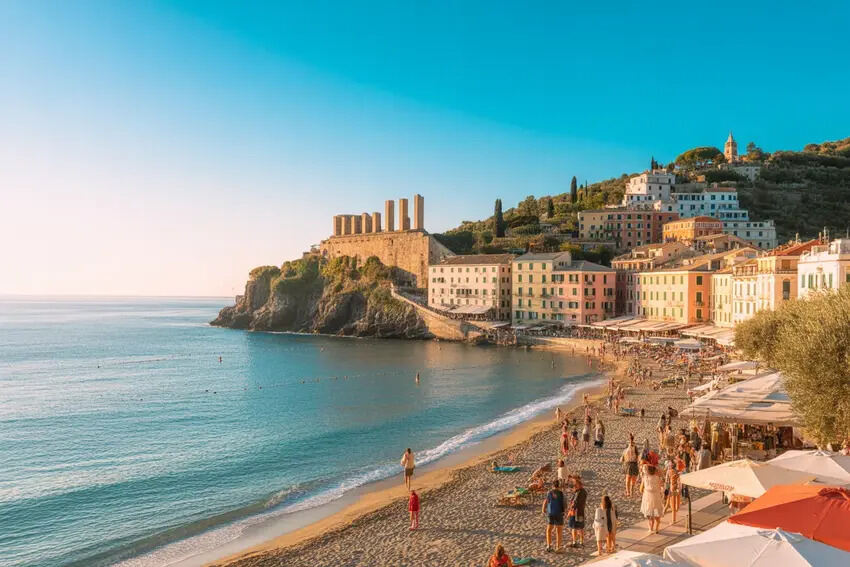
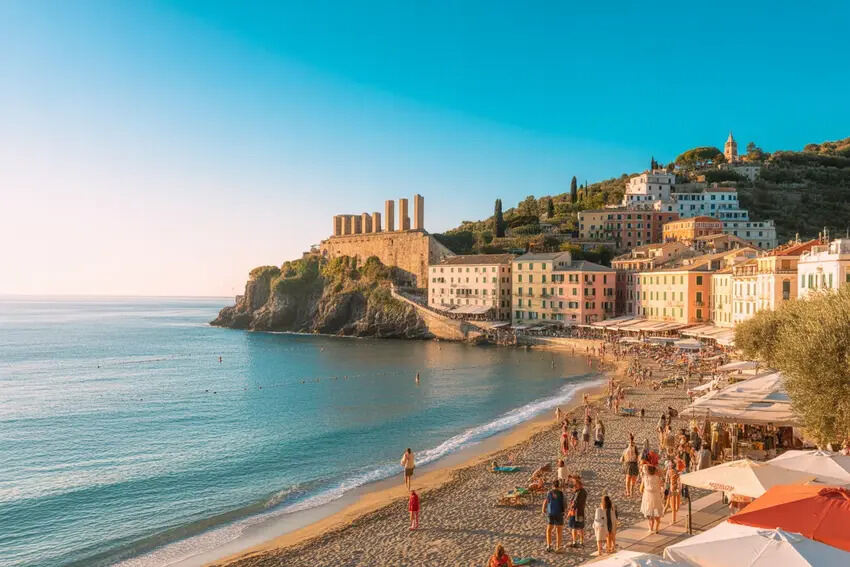
Image generated with Ai
Spain joins Italy, Greece, Portugal, Croatia, Malta, Norway, and more in emerging as key destinations poised to see a surge in tourism as travelers look for safer, alternative European options in the wake of security concerns in the Middle East. Amid growing geopolitical instability in the region, many tourists are reconsidering their travel plans, seeking out destinations that offer political stability, rich cultural experiences, and scenic landscapes. These European countries, including Spain, with its sunny beaches, historic cities, and reputation for safety, are set to capitalize on this shift as travelers seek peace of mind while still indulging in memorable travel experiences.
As geopolitical tensions continue to rise in the Middle East, the tourism industry is beginning to see a significant shift. With security concerns becoming a primary factor in travel decisions, international tourists are looking to adjust their plans, seeking safer alternatives in regions that provide both cultural richness and geographical distance from the conflict. Europe, long known for its well-established tourism infrastructure and diversified offerings, is poised to capitalize on this shift. Destinations across the Mediterranean and beyond are set to benefit as travelers reconsider their travel options, with Spain, Italy, Greece, Portugal, Croatia, Malta, Norway, and other European countries emerging as strong contenders.
The Geopolitical Shift and Its Impact on Tourism
The ongoing geopolitical instability in the Middle East has prompted travelers to reconsider their plans, with many choosing to avoid destinations closer to the region. This has already resulted in cancellations and rerouted tourism demand, particularly from high-volume markets like the United States, Germany, the UK, and France. As the Middle East faces growing uncertainties, European countries are stepping in to fill the void, offering both the safety and the richness that tourists seek.
While many countries across Europe are seeing an uptick in interest, some destinations appear particularly well-positioned to capitalize on this shift. Spain, in particular, stands out as a leading candidate, but it is far from alone. Italy, Greece, Portugal, Croatia, Malta, and Norway are also expected to benefit as international travelers seek new destinations that offer security, accessibility, and a rich cultural experience.
Spain: A Mediterranean Powerhouse
Spain is set to benefit greatly from the diversion of tourism flows from the Middle East. Known for its sunny beaches, rich history, and vibrant culture, Spain offers a diverse range of attractions that appeal to a wide variety of travelers. From the bustling streets of Barcelona to the serene landscapes of Andalusia, Spain provides a blend of urban excitement and rural charm. The country’s extensive air connectivity ensures easy access for international tourists, making it a go-to option for those looking to escape the uncertainty in the Middle East.
With tourism from key markets like the United States, Western Europe, and Asia likely to increase, Spain is well-positioned to absorb this influx of visitors. Spain’s reputation for safety and the availability of a wide range of travel experiences—from historical sites to modern urban destinations—makes it an attractive alternative for those reconsidering Middle Eastern destinations.
Advertisement
Advertisement
Italy: A Cultural and Historical Jewel
Italy has long been a favorite destination for travelers seeking cultural immersion, history, and culinary delights. The country’s iconic cities like Rome, Florence, and Venice, along with its scenic countryside and world-class beaches, make it a versatile destination that appeals to all types of travelers. Italy’s enduring appeal, combined with its reputation for safety and a warm welcome to tourists, means it is likely to benefit from the shift in tourism demand caused by Middle Eastern tensions.
Moreover, Italy offers a rich variety of experiences, from art and architecture to gastronomy and outdoor adventures. This makes it an easy alternative for tourists seeking both culture and relaxation. As international travelers look to re-route their plans, Italy’s ability to offer a safe, welcoming, and diverse environment will continue to make it a top destination.
Advertisement
Advertisement
Greece: A Historical Haven
Greece, with its long history, beautiful islands, and Mediterranean climate, stands as another strong contender to benefit from the shift in tourism flows. The country is renowned for its ancient ruins, picturesque landscapes, and warm hospitality. From the iconic white-washed buildings of Santorini to the historical significance of Athens, Greece’s attractions are both diverse and easily accessible.
Greek destinations such as Crete, Rhodes, and the Cyclades islands are likely to experience increased demand as travelers seek safe, culturally rich alternatives to the Middle East. Greece’s tourism industry has already demonstrated resilience in the face of economic challenges and geopolitical instability, and this new wave of tourists looking for stability is expected to boost the country’s tourism numbers.
Portugal: A Hidden Gem of the Mediterranean
Portugal, often overshadowed by its more famous Mediterranean neighbors, is emerging as a hidden gem for tourists. With its stunning coastline, charming cities like Lisbon and Porto, and rich cultural heritage, Portugal offers a more laid-back yet equally compelling alternative to destinations in the Middle East. The country’s reputation for safety, combined with its affordable travel options and burgeoning wine and culinary scene, makes it a perfect option for tourists seeking new, less crowded destinations.
Portugal is already seeing an increase in tourism from markets like the UK, France, and Germany. As concerns about security grow, more travelers are likely to turn to Portugal for its welcoming atmosphere, beautiful landscapes, and variety of experiences. Whether it’s lounging on the Algarve’s beaches, exploring the Douro Valley, or visiting historic castles, Portugal offers something for everyone.
Croatia: Rising Star of the Adriatic
Croatia’s tourism industry has been on a steady upward trajectory for years, and with recent global events, the country is poised to see even more growth. Known for its pristine Adriatic coastline, medieval cities like Dubrovnik, and beautiful national parks, Croatia offers a safe and stunning alternative for tourists. The country’s growing reputation as a top European destination, combined with its relatively low costs compared to other Mediterranean destinations, makes it an appealing option for those seeking a change from traditional hotspots.
The rise of Croatia as a travel destination has already been marked by increased international flights and a strong online presence in tourism marketing. As travelers look for alternatives to the Middle East, Croatia’s mix of natural beauty, historical significance, and hospitality is expected to attract a significant share of the diverted tourism demand.
Malta: A Small Island with Big Appeal
Malta, while small, packs a punch when it comes to tourism appeal. This Mediterranean island nation is rich in history, with ancient temples, forts, and the stunning capital city of Valletta offering travelers a deep dive into European history. Malta’s location in the heart of the Mediterranean also makes it easily accessible for tourists looking to explore Europe, with direct flights from major cities in Europe.
Malta has been gaining popularity in recent years, and its status as a safe, affordable, and charming destination means that it is well-positioned to attract tourists looking for a change. With a mix of cultural, beach, and outdoor experiences, Malta offers a little something for every type of traveler.
Norway: The Nordic Escape
Norway, known for its breathtaking fjords, towering mountains, and northern lights, is emerging as a top destination for travelers seeking something different. Its natural beauty, combined with its reputation for safety, makes it an attractive option for those reconsidering trips to the Middle East. Norway’s outdoor adventures, such as hiking, skiing, and fjord tours, offer unique experiences that are hard to match.
Additionally, Norway’s stable political environment, clean cities, and eco-conscious travel initiatives make it an ideal choice for travelers looking to explore a peaceful, scenic, and eco-friendly destination. The country’s ability to offer luxury as well as budget-friendly options ensures that it can cater to a wide range of tourists, from adventure seekers to those looking to unwind in nature.
Other Destinations Poised to Benefit
While Spain, Italy, Greece, Portugal, Croatia, Malta, and Norway are among the most likely to benefit from the redirection of tourism, several other European destinations could also see increased demand:
- Turkey – Although geographically closer to the Middle East, Turkey’s blend of historical sites, cultural richness, and natural beauty makes it a popular alternative.
- Romania – With its castles, forests, and unique landscapes, Romania is quietly growing in popularity and offers a distinct European experience.
- Cyprus – This Mediterranean island has long been a sought-after destination and could attract those seeking a more traditional European getaway.
- Bulgaria – With its rich history, beautiful beaches, and low-cost travel options, Bulgaria is emerging as an affordable European alternative for many travelers.
As geopolitical tensions continue to shape travel trends, Europe is increasingly seen as a safe and diverse destination for international tourists. Countries like Spain, Italy, Greece, Portugal, Croatia, Malta, and Norway are poised to benefit from this shift, offering travelers the security, culture, and experiences they seek. With the tourism landscape rapidly changing, these European destinations stand ready to welcome a new wave of visitors looking for safer and more accessible alternatives to the Middle East.
Spain joins Italy, Greece, Portugal, Croatia, Malta, Norway, and more as top European destinations likely to see a surge in tourism, as travelers seek safer alternatives due to growing security concerns in the Middle East. These countries offer a blend of cultural richness, political stability, and attractive landscapes, making them ideal choices for travelers seeking peace of mind.
By offering diverse tourism experiences, rich histories, and strong safety reputations, these countries are well-positioned to become the top choices for travelers in the coming years. As the global tourism market adapts to new realities, these destinations will play a critical role in reshaping travel trends and supporting the industry’s recovery in the face of uncertainty.
