
- by croatiaweek
- March 10, 2026
- in
(Illustration)
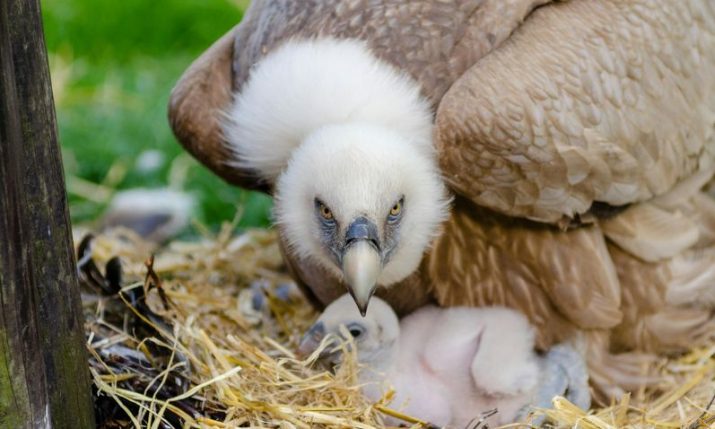
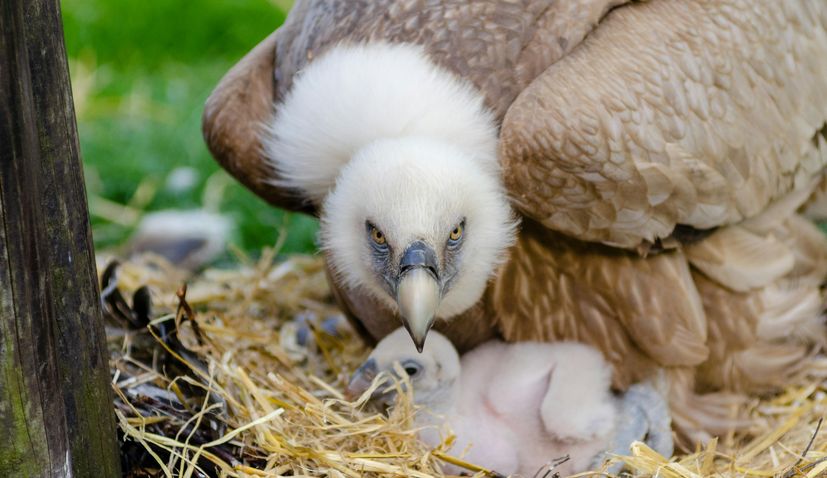
A record number of griffon vultures have chosen Croatia’s northern Adriatic cliffs for nesting this winter, offering encouraging signs for the future of one of the country’s most iconic bird species.
According to monitoring carried out by conservation organisations, 173 pairs of griffon vultures laid eggs this season, the highest number recorded in the past decade.
The nests were found on the steep cliffs of the Kvarner islands, Cres, Plavnik, Krk and Prvić, as well as in the area of Učka Nature Park and near the coastal town of Brseč.
The monitoring programme has been conducted for the past ten years by the Public Institution Priroda, the conservation organisation BIOM, and since 2024 also by Učka Nature Park. The record figure suggests that the griffon vulture population in Croatia is showing a positive and steady growth trend.
Conservationists say the results reflect years of collaborative work between environmental organisations, institutions and local partners aimed at improving conditions for the species.
Griffon vultures are among the largest birds in Europe, with wingspans reaching nearly three metres. The Kvarner region is one of the few places in the world where the birds build their nests directly on steep seaside cliffs above the Adriatic.
Researchers will now continue monitoring through the summer months to determine the success of the nesting season. This phase will reveal how many young vultures successfully hatch and grow strong enough to take their first flights from the nests.
Field visits to nesting areas also provide scientists with sightings of other bird species that share the same habitats. During the surveys, researchers observed species such as the peregrine falcon, yellow-legged gull, European shag, and blue rock thrush.
If the current trend continues, conservationists say Croatia’s griffon vulture population could continue to strengthen in the coming years, marking a significant success for wildlife protection efforts in the Adriatic region.