
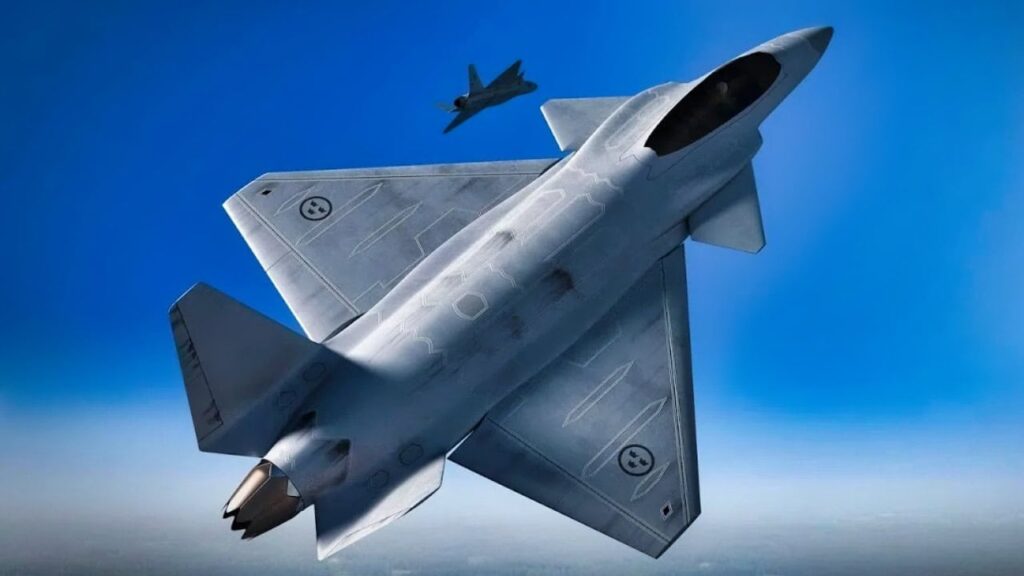
Summary and Key Points: Journalist Georgia Gilholy evaluates Saab’s strategic pitch to Canada to join the Future Combat Aviation Concept (KFS).
-While the Royal Canadian Air Force (RCAF) is set to replace CF-18s with Lockheed Martin F-35As, the current government has only finalized a small portion of the 88-plane order.
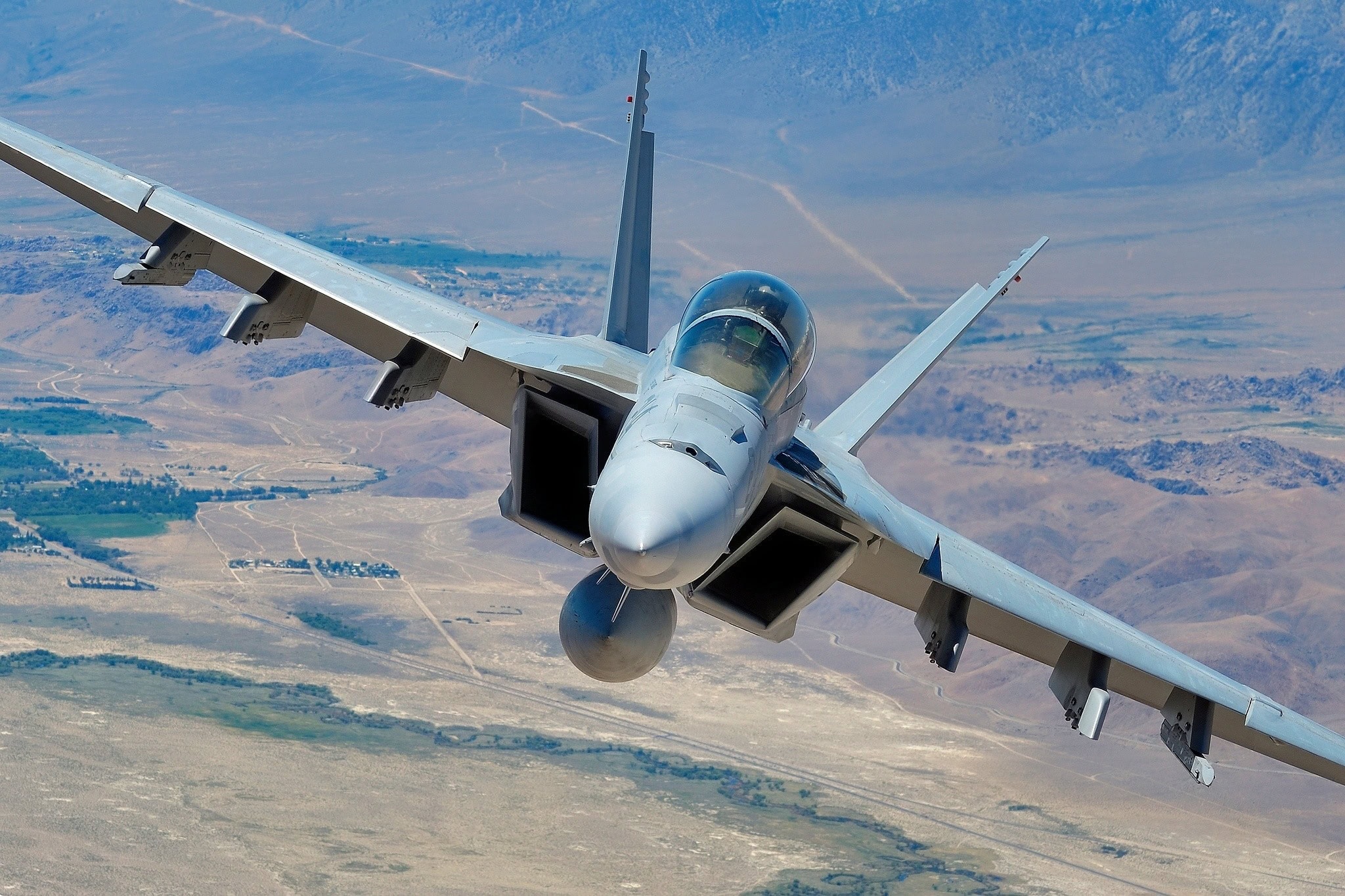
CF-18 Canada. Image Credit: Creative Commons.
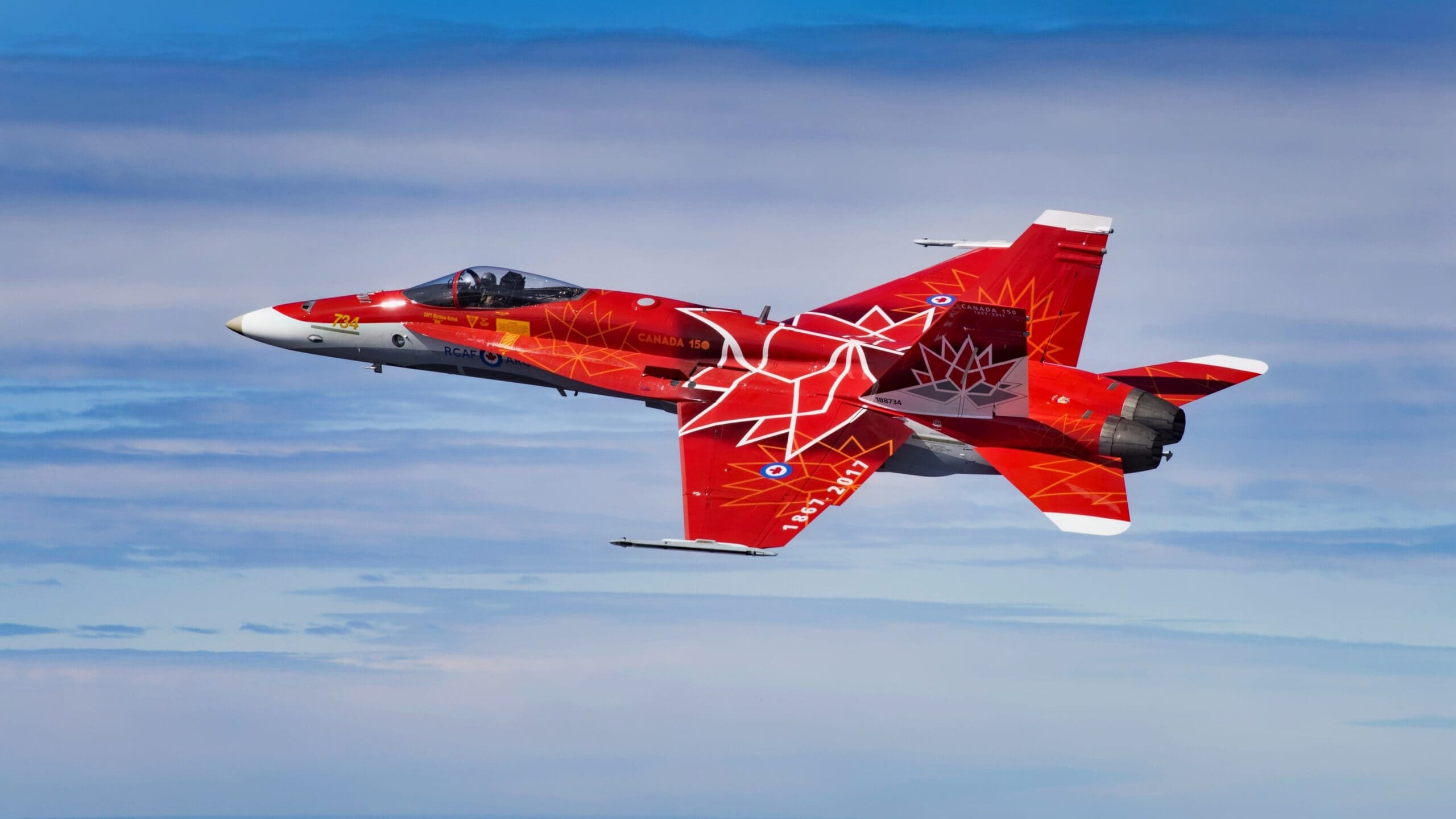
CF-18 Fighter from Canada. Image Credit: Creative Commons.
-This report analyzes Saab CEO Micael Johansson’s proposal for a “dual fleet” and the potential for Bombardier to support the GlobalEye surveillance platform.
-Gilholy explores the recent March 4 NORAD scramble against Russian Tu-142s, concluding that Canada’s aging fleet demands immediate, reliable modernization despite sovereignty concerns over U.S. hardware.
Beyond F-35: Analyzing Saab’s Offer for Canada to Shape the Next Generation of Combat Aviation
Sweden’s Saab is using that opening to make a broader pitch. Beyond offering its Gripen fighter as an alternative or complement to the Lockheed Martin F-35, the company is now suggesting that Canada could help shape the next generation of combat aviation itself.
As CBC News first reported, Saab says Canada would be a “great” partner in developing future fighter and autonomous air-combat technologies, as Stockholm advances its Future Combat Aviation Concept, or KFS.
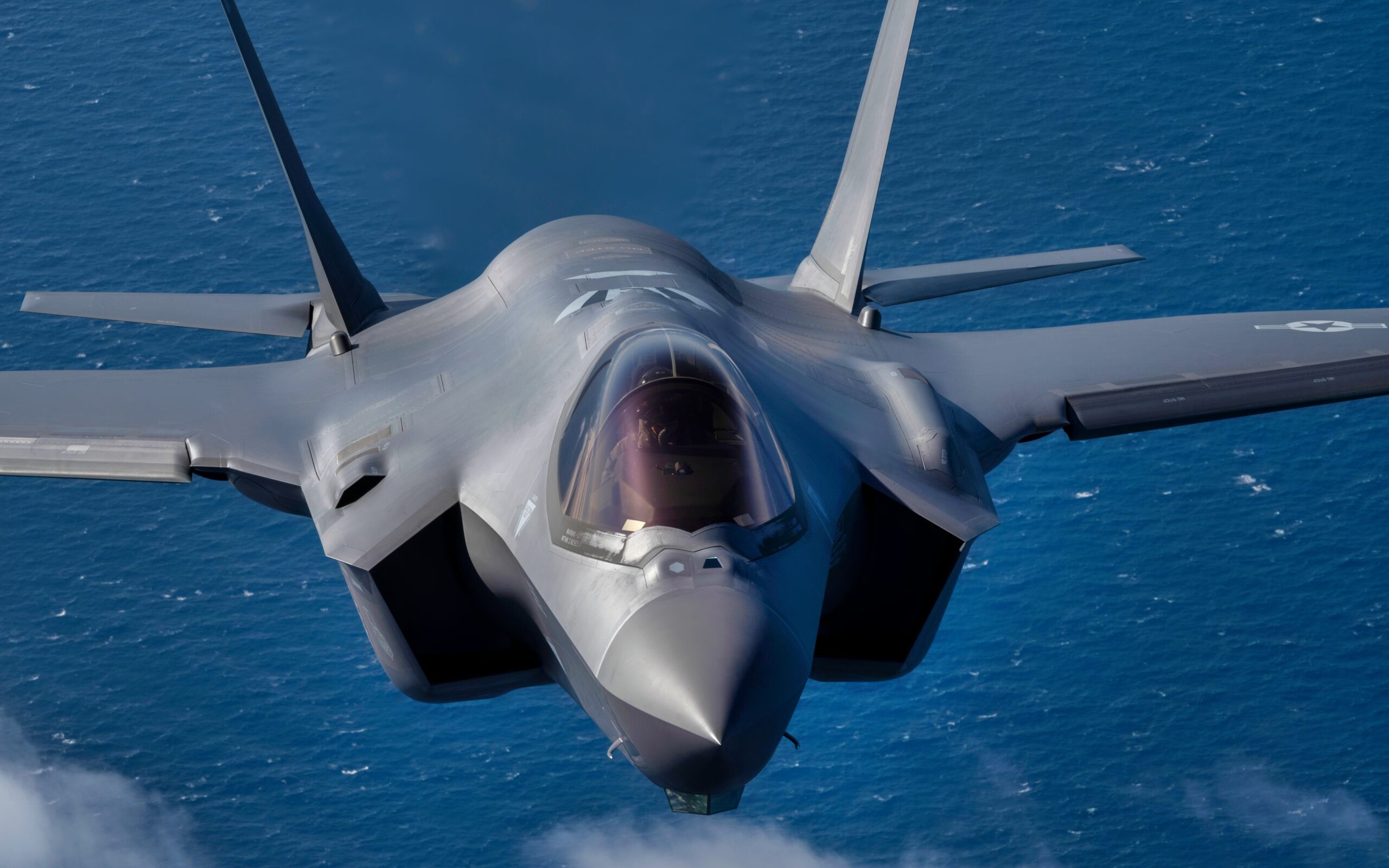
A U.S. Air Force F-35A Lightning II participating in NATO exercise Ramstein Flag 24 flies over the west coast of Greece, Oct. 4, 2024. Over 130 fighter and enabler aircraft from Greece, Canada, France, Hungary, Italy, Poland, Portugal, Romania, Spain, Sweden, United Kingdom and United States are training side by side to improve tactics and foster more robust integration, demonstrating NATO’s resolve, commitment and ability to deter potential adversaries and defend the Alliance. (U.S. Air Force photo by Tech. Sgt. Emili Koonce)
This offer comes at a politically fertile moment, as Canada remains formally committed to the F-35 program.
Under this pledge, 88 aircraft are set to replace the Royal Canadian Air Force’s CF-18s. Still, Prime Minister Mark Carney’s government has so far only locked in an initial tranche.
Ottawa has committed to purchasing 16 F-35As and made payments for long-lead parts tied to 14 more aircraft, preserving its place in the queue while leaving room to revisit the overall shape of the fleet, according to CBC.
Dual Fleet
Saab, sensing an opportunity, has been pressing the advantages of a mixed or alternative fleet.
Breaking Defense reported in February that Saab CEO Micael Johansson said Canada was examining how to avoid becoming too dependent on the United States, including through a possible “dual fleet” of F-35s and Gripens.
The company has also argued that a Canadian production line could support long-term aerospace work at home rather than simply funneling spending abroad.
That industrial pitch is central to Saab’s seduction attempts, with the firm stating that JAS 39 Gripen and GlobalEye aircraft could be manufactured on Canadian soil.
This could attract companies like Bombardier, whose Global 6000 platform already supports the GlobalEye surveillance aircraft.
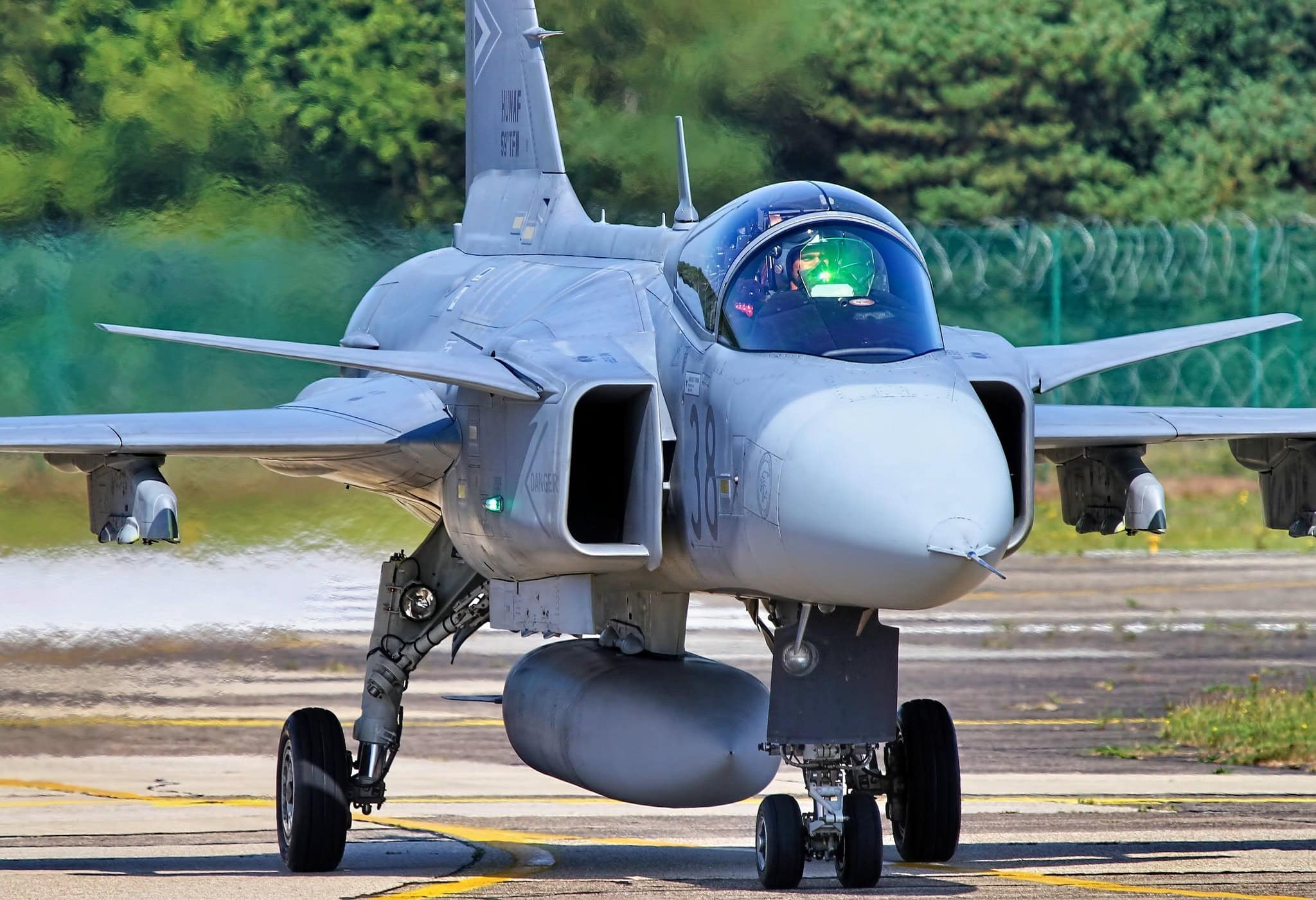
JAS 39 Gripen on Runway. Image Credit: Creative Commons.
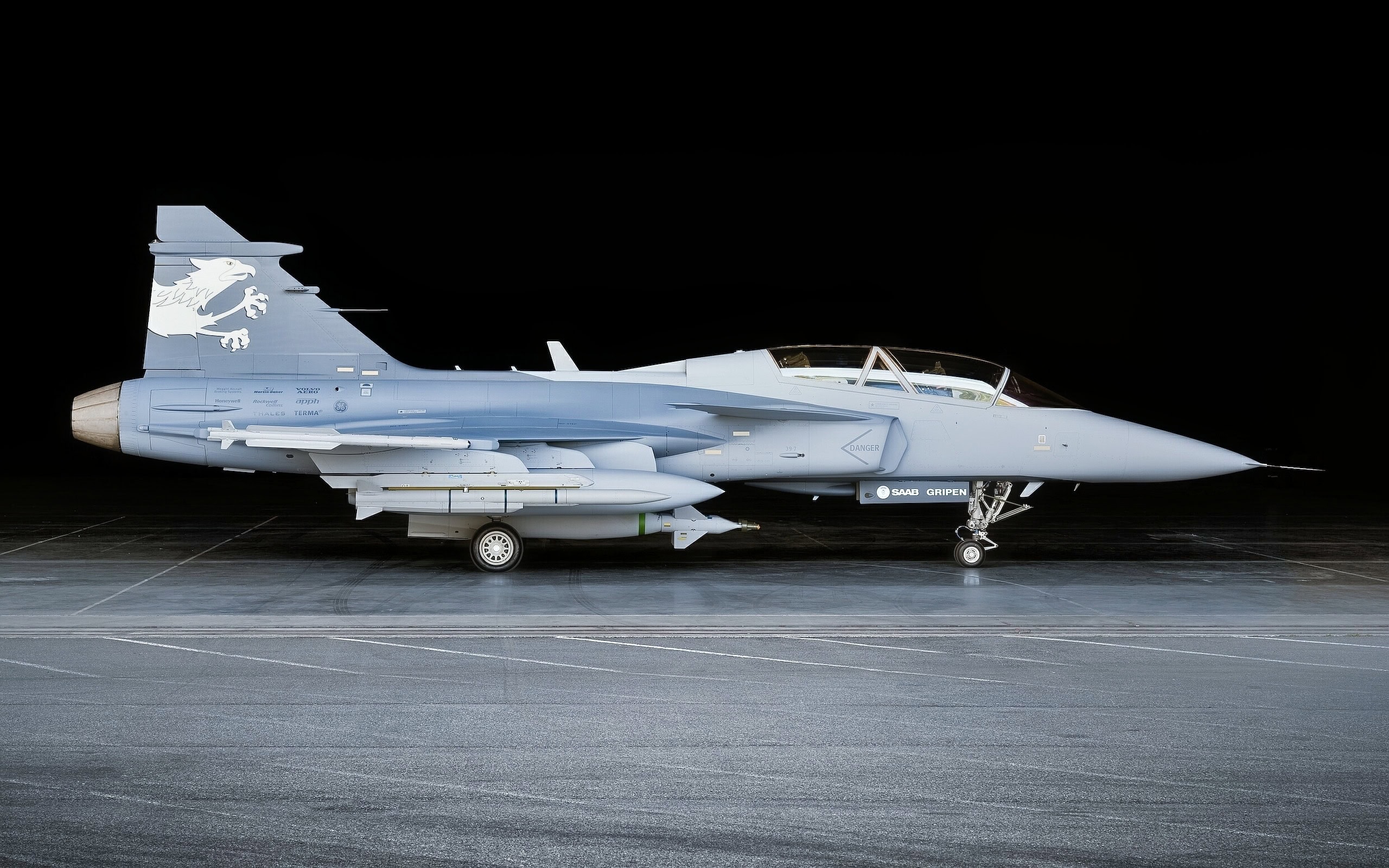
JAS 39 Gripen. Image Credit: Creative Commons.
Saab has also dangled the prospect of some 10,000 jobs. Conversely, Lockheed Martin claims its long-term F-35 program will bring some 150,000 jobs to Canada over the life of the program.
But it is not like this Swedish proposition is complication-free. Even if Canada were to choose Gripen, vital interoperability hardware would still be under U.S. control.
This includes the MIDS terminals that enable Link 16 data sharing. That means Washington could still retain leverage over any mixed fleet.
Ottawa hardly has the resources to regard this question as a minor gripe. Indeed, on March 4, NORAD scrambled U.S. F-35s, F-22s, and Canadian CF-18s to monitor a pair of Russian Tu-142 aircraft flying in the Alaskan and Canadian air defense identification zones. This is not the easiest moment for Canada to dilly-dally on military measures.
Indeed, its aging air fleet should be searching for all the reliable help it can get.
About the Author: Georgia Gilholy
Georgia Gilholy is a journalist based in the United Kingdom who has been published in Newsweek, The Times of Israel, and the Spectator. Gilholy writes about international politics, culture, and education. You can follow her on X: @llggeorgia.