
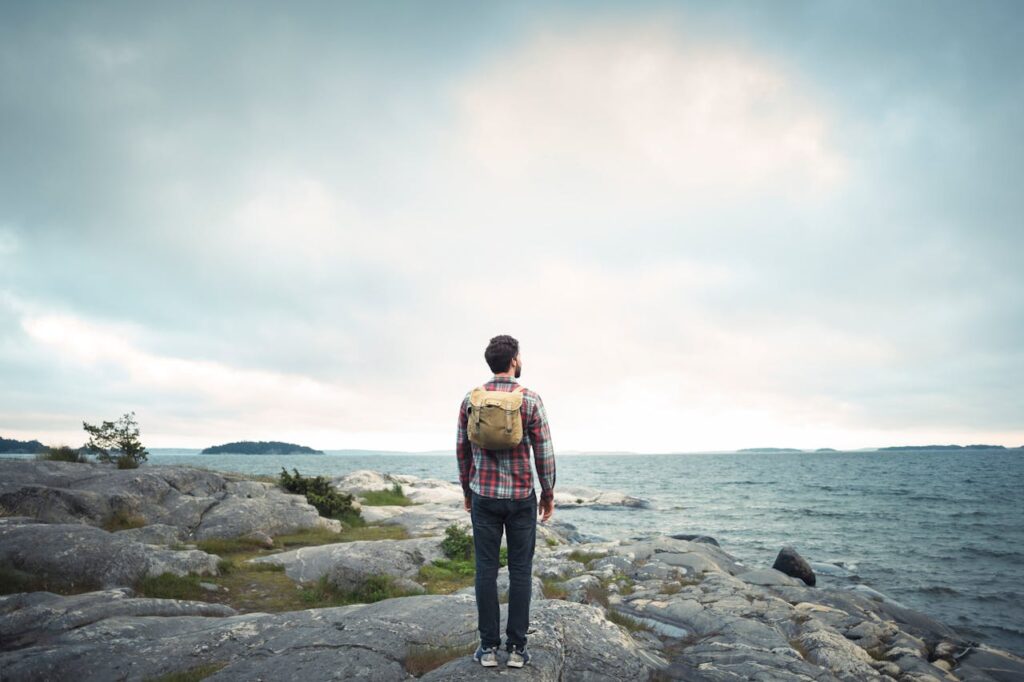
Winning your own private island for a year sounds like the kind of fantasy usually reserved for billionaires or people having a very specific kind of burnout.
Visit Sweden is pitching it as a tourism campaign.
Its new ‘Your Swedish Island’ initiative invites travelers to apply for the chance to spend time on one of five Swedish islands. But this is not private-island luxury in the glossy-resort sense. There are no villas, no pools and no plans to build anything at all. Instead, the campaign is built around something Susanne Andersson, chief executive of Visit Sweden, describes as “the luxury of a different nature.”
That phrase gets at what makes the campaign interesting. Sweden is not really marketing ownership here. It is marketing space, stillness and a different relationship with nature.
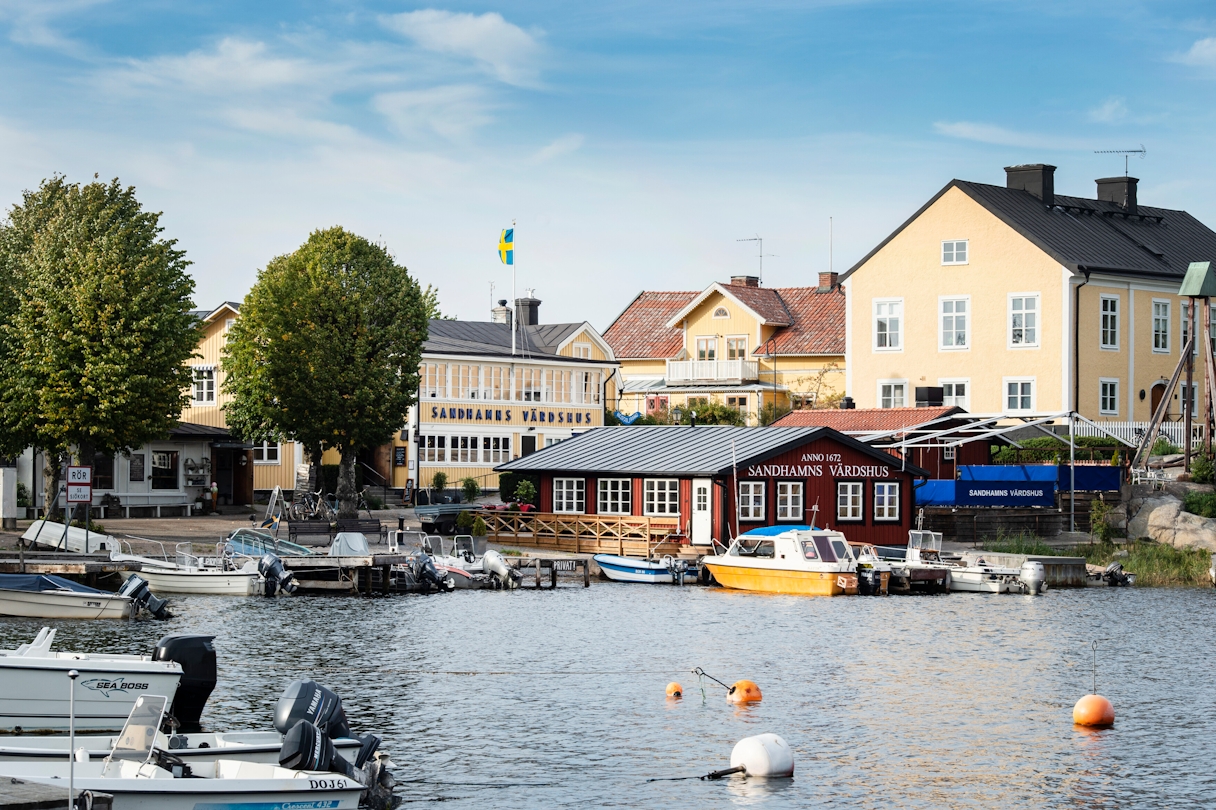 Luxury without the luxury trappings
Andersson says the campaign grew out of a broader tourism platform Visit Sweden has been building for several years, one centered on “a more purposeful travel” and the idea of Sweden as a “destination of a different nature.”
She traces that back to earlier campaigns including ‘Sweden, Not Switzerland,’ which used mistaken national identity as a jumping-off point to talk about what Sweden offers travelers.
“We talked about the luxury of a different nature,” she says. “We were more than Switzerland, more kind of the typical luxury. Of course, they have amazing nature and everything like that, but they also have the really expensive watches and expensive chocolate. And we lifted up the nature-based luxury of just being outdoors.”
The island campaign takes that thought and pushes it further. Sweden, she notes, has “the most islands in the world,” along with a long tradition of public access to nature through the country’s ‘freedom to roam’ principle. That means the experience is intentionally not exclusive in the usual sense.
“It democratizes everything,” Andersson says. “It’s not the most wealthy people that are allowed to go on these islands.”
The freedom to roam
That becomes even more apparent in how the islands are used. Andersson says the five islands were selected in partnership with the state body that looks after around 1,700 islands. The goal was not to hand over some untouched paradise for a year of private use. It was to create a way to explain “what does freedom to roam actually mean, and how do the Swedes actually live with nature around the corner all the time.”
The campaign ends up carrying a quiet lesson in stewardship. “You’re not allowed to change anything,” Andersson says. “You’re not allowed to draw in electricity or put something up.”
Even wildlife takes precedence. “If there would be a specific kind of bird that is nesting, of course, you will not enter your island because it is making sure that we take the responsibility for nature.”
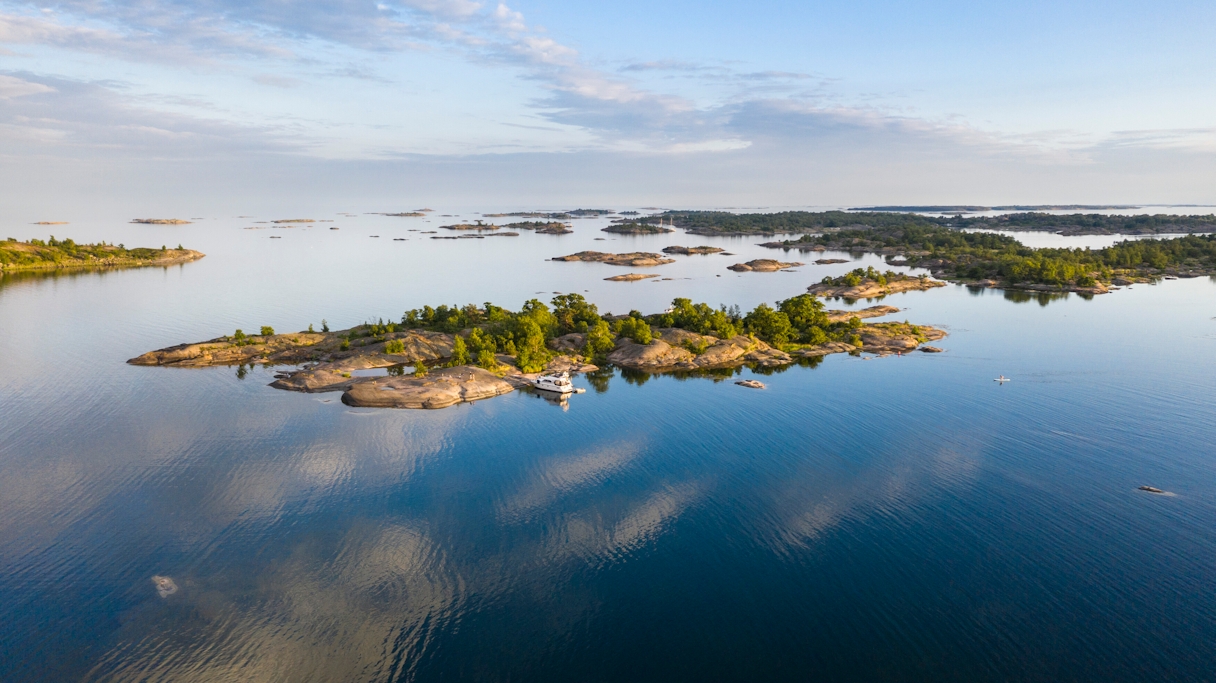
In practice, the experience is less about living Robinson Crusoe-style and more about accessing the surrounding archipelagos. The islands themselves are small and undeveloped, so the point is not to move there full time in some castaway fantasy.
“You would probably go back quite soon and experience the islands around that actually do have restaurants or hotels,” Andersson says. Visitors might kayak out, spend the day there and head back for dinner somewhere nearby.
Want to go deeper? Ask The Drum
Marketing solitude
The idea also connects with changes in how people travel. Andersson says the change became especially visible after the pandemic.
“I think it’s been a huge change in traveling,” she says. “What a lot of people saw was how important it was to actually be with your family and doing things with the people that you love.”
At the same time, daily life has become increasingly digital. “You come home, you sit down,” she says. “Today you don’t even have to wait for the show that you want to see on TV to start, because you just scroll in on the show that you want.”
Against that backdrop, nature carries a different kind of appeal.
“Being able to be outside, being able to be with your friends, being able to smell when the spring is coming, being able to feel the snow,” she says. “All those things, I think, have become more important.”
Those feelings show up across tourism trends. Cycling travel, wellness trips and outdoor experiences are all gaining traction as travelers look for something that feels more grounded in local culture.
Selling a feeling
From a marketing perspective, Andersson argues that promoting a destination is not fundamentally different from selling any other product.
“There isn’t any,” she says, when asked about the difference. “The brain of the people hasn’t changed.”
What matters, she says, is emotion. People encounter thousands of marketing messages every day, and very few stick. Standing out means pursuing how people actually feel.
“Being able to go through that noise, you have to stand out in some way,” Andersson says. “Our way to do that is to try to attract the good feeling.”
The island campaign does exactly that. Even travelers who never win the contest may still picture themselves there: a rocky shoreline, open water and no notifications buzzing in their pocket.
“You get a sense of feeling, okay, I want that island,” Andersson says. “And even though you don’t win that island, the next time you will think about traveling somewhere. Oh my god, maybe Sweden.”