
- by croatiaweek
- March 12, 2026
- in
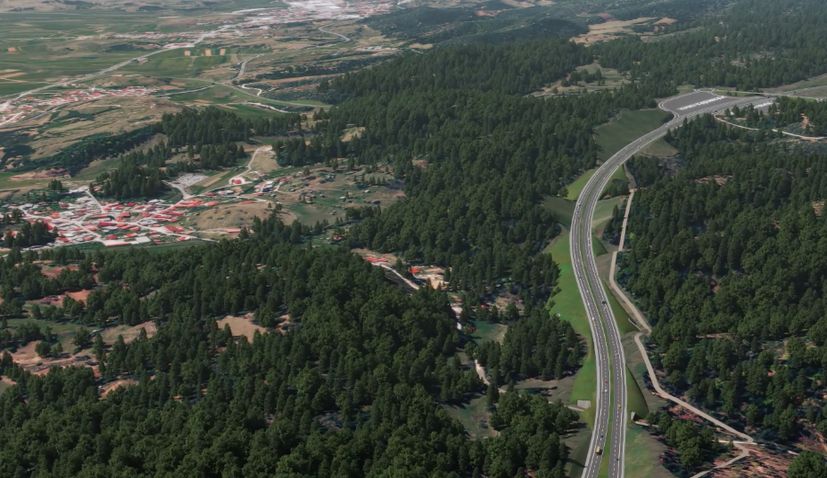
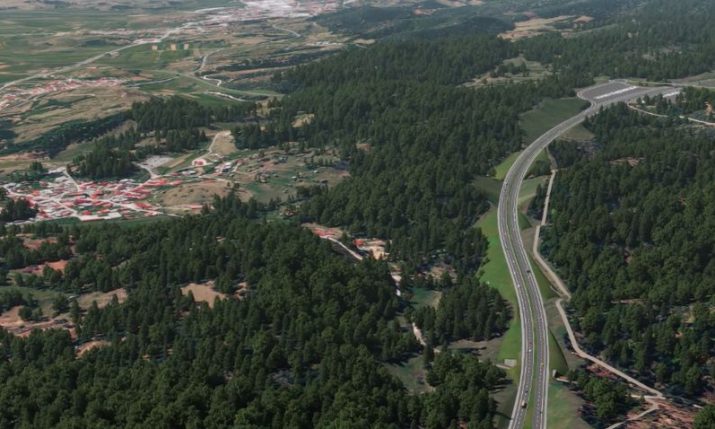
(Photo: Screenshot/ PNZ/Slovenian Ministry of Natural Resources and Spatial Planning)
ZAGREB, 12 March 2026 – Plans are progressing in neighbouring Slovenia for a new motorway section that could significantly improve travel between Croatia’s Kvarner region and Central Europe.
The Slovenian Ministry of Natural Resources and Spatial Planning has published a route study and environmental impact report for a proposed motorway branch connecting Postojna with Jelšane, near the Croatian border.
As tportal writes, the planned motorway would form part of the wider Adriatic–Ionian Corridor, completing its final unfinished section and creating a faster connection towards Rijeka, as well as routes to Italy and Austria.
Residents in the border region have waited decades for the project, which is expected to relieve heavy traffic currently passing through regional roads between Postojna and Jelšane, and between Kozina and Starod.
These roads currently handle a large share of traffic travelling from Western Europe through central Slovenia towards Rijeka, particularly during the busy summer tourism season when the Kvarner region sees a surge in visitors.
Due to safety concerns and congestion, authorities have introduced restrictions in recent years on long-distance transit freight traffic along these routes.
Officials say the new motorway would redirect long-distance traffic onto a modern, safer and more efficient route, significantly easing pressure on existing state roads and improving quality of life for residents in towns currently affected by heavy traffic.
The route study outlines three possible motorway variants connecting to Jelšane.
All options begin at a planned new interchange called Hrastje Interchange, which would be located between Postojna and Razdrto, northeast of the settlement of Orehek.
Each proposed route would run for approximately 37 kilometres in total, including several tunnels, viaducts and covered cuttings.
The northern section of the motorway would span about 21 kilometres, with slight route differences between the three options, while the southern section would cover around 16 kilometres before reaching the Croatian border.
The motorway would then connect with the Croatian Rijeka–Rupa Motorway, creating a more direct cross-border link.
The project could bring significant benefits for Croatia, particularly for Rijeka and the wider Kvarner region.
Improved motorway access would strengthen transport links to Italy, Austria and Central Europe, while also improving logistics routes to the Port of Rijeka, Croatia’s largest seaport.
The new route could also benefit drivers from northern Croatia who regularly travel through Slovenia, where motorway tolls operate via a vignette system, often proving more cost-effective for frequent users.
Public presentations of the study will be held in Postojna, Pivka and Ilirska Bistrica, allowing residents to review the plans before the documentation is officially published online in April.
If approved and completed, the motorway could become a key transport link between Croatia’s northern Adriatic and major European transport corridors.