
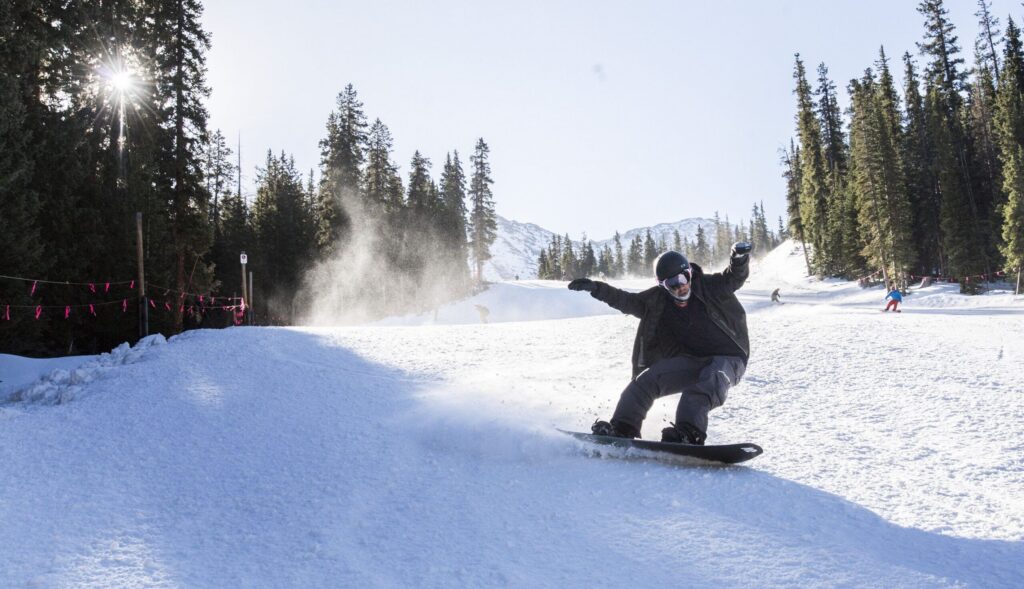
A cooldown in Colorado’s outdoor recreation industry, reported recently in The Gazette, is the latest reminder not to put too many eggs in one basket when it comes to the state’s economy. And for our policymakers, that means easing up on economic sectors that are proven performers — so they’re not regulated into ruin.
Federal data via the U.S Bureau of Economic Analysis shows Colorado’s outdoor industry is still strong, contributing nearly $18 billion to the state’s economy in 2024, but it grew by just 3.6%. It’s a troubling sign because, as The Gazette reported, it ranked Colorado below the national average of 4%, lowering the state’s growth rankings from 12th to 32nd among the states.
The Centennial State still comes in at 10th in the sheer size of its outdoor economy, though it could be argued that ranking should be higher considering all Colorado has to offer within a short drive of one of the world’s largest airports. And let’s remember Colorado it still tops in the nation for winter recreation.
But these variables have business owners and tourism officials worried, as reported, because 2025’s federal data is yet to be released and 2026 has been a fickle, warm winter void of much snowfall.
“We want it to snow because snow is money in a ski town,” Winter Park & Fraser Chamber of Commerce executive director Catherine Ross told The Gazette. “But we really need it to snow so that our mountain community can stay vital and healthy.”
If a lack of snow is bad for ski resorts, it’s horrific for the whitewater rafting gigs that employ many ski bums in the summer, as dry winters mean fleeting early-summer days of marketable “high-water” trips on riverways like the Royal Gorge, Browns Canyon or The Numbers.
Though Ross told The Denver Gazette “it can’t hurt to put your trail map in the freezer” — a reference to a ski-town superstition to summon snowfall — such an offering, of course, isn’t a way to manifest atmospheric moisture. And burning Nordic snow-god effigies on mountain-town main streets isn’t a prudent economic strategy either.
As any Coloradan knows, there are good snow years and there are bad snow years. There are summers when conditions are viable for outdoor rec, and there are summers when it’s difficult to attract tourists and weekend warriors. That’s the nature of the beast that is Mother Nature.
Which is all the more why Colorado must make it a priority to maintain a diversified industrial base. The ebbs and flows of the outdoors give even more of a reason to be able to lean on reliable industries old and new, from oil and gas to tech.
And that’s all the more reason to hit the brakes on the rapidly accumulating regulations imposed on these multibillion-dollar industries by the state Capitol and state government agencies under Gov. Jared Polis.
Energy, agriculture, mining and others have been mired for years in a growing, entangling web of regulation. Next on the menu for regulation-addicted legislators seeking to pile on more: leading-edge economic sectors such as data centers and artificial intelligence.
Colorado’s economy in general is being strangled by regulations enacted on the pretext of helping workers or the environment or other concerns. What they’ll ultimately do is kill jobs — and opportunity. Back-to-back studies by the Colorado Chamber of Commerce concluded our state is the sixth most regulated in the nation.
It’s past time for our state’s policymakers to back off and give Colorado’s job creators some breathing room — before they suffocate.