
Published on
March 14, 2026
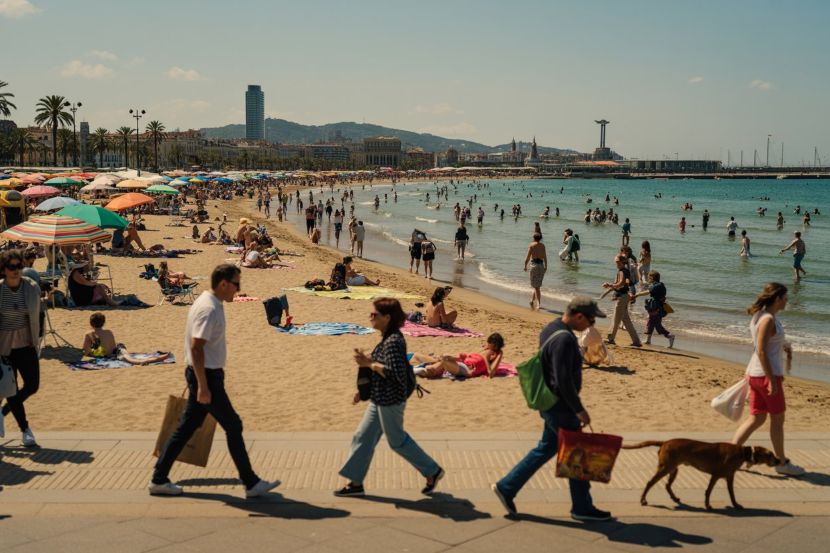
Image generated with Ai
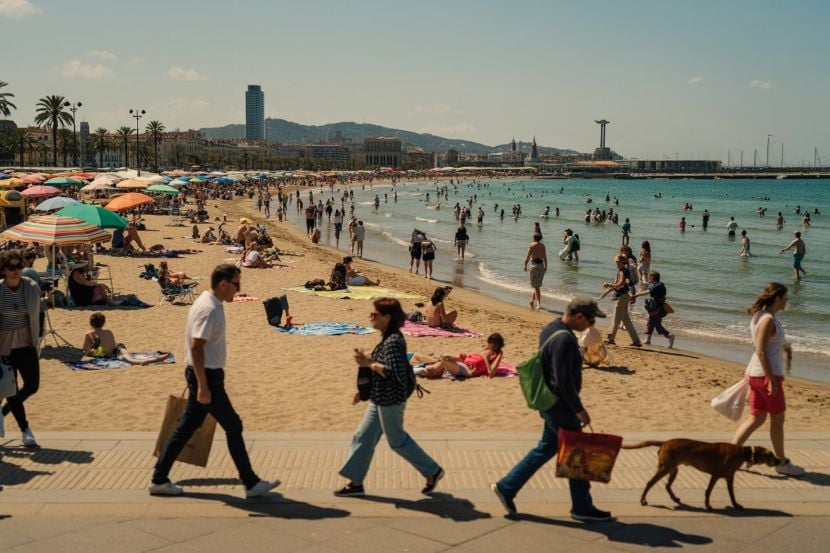
Spain’s top tourist destinations, including Barcelona, the Balearic Islands, and the Canary Islands, are confronting a surge in resident protests, driven by growing concerns over overtourism. With the recovery of tourism post‑COVID, Spain has seen record numbers of visitors flocking to these areas, overwhelming local infrastructure, public services, and residential communities. Residents in major cities and popular islands have voiced frustration over overcrowded beaches, soaring rental prices, and strained local resources. Their concerns are centered on maintaining the quality of life in these heavily visited regions.
The increase in visitors — particularly in areas like Barcelona and Palma de Mallorca — has sparked widespread calls for tourism caps and more stringent regulations. The number of international arrivals has surged, according to the Spanish Ministry of Industry, Trade and Tourism, with millions flocking to the country’s cultural landmarks, coastlines, and vibrant cities. However, this growth has not been without consequences. Residents argue that tourism growth is coming at the expense of their daily lives, with issues ranging from skyrocketing housing prices to congested streets. As a result, a growing number of protests have emerged, especially in areas where tourism is seen to be outpacing the capacity of local infrastructure.
Government Takes Action to Address Overcrowding
In response to mounting criticism, Spanish authorities are now working to implement several key measures designed to manage the impacts of overtourism. The Ministry of Tourism has launched a comprehensive plan that seeks to balance tourism expansion with the preservation of local culture and infrastructure. These efforts include creating sustainable tourism initiatives, improving urban planning, and introducing stricter regulations on short-term rentals in highly impacted areas.
One of the most notable efforts is the introduction of visitor management systems in cities like Barcelona, which has witnessed a dramatic rise in visitor numbers. Local authorities have implemented measures such as reducing the number of short-term rental permits and focusing on spreading tourism beyond peak seasons. With these changes, the aim is to shift from mass tourism to more sustainable and responsible travel that respects the local community and its resources.
In addition to city-based measures, the Balearic Islands and the Canary Islands are also taking proactive steps to limit overcrowding during peak months. Both regions have been grappling with environmental concerns, with popular beaches and natural sites struggling to cope with the impact of thousands of tourists. The Balearic government has been particularly vocal about implementing caps on visitor numbers to preserve the natural environment while still allowing for a steady flow of tourists. By introducing policies that promote off-season travel, the region hopes to reduce the pressure on local ecosystems and infrastructure during the summer months.
Barcelona: A Case Study in Tourism Management
Barcelona has become a symbol of Spain’s tourism dilemma. The city, which is one of Europe’s most visited destinations, faces the difficult challenge of maintaining its tourism appeal while addressing the concerns of its residents. The local government has acknowledged the challenges posed by the increase in visitors, particularly the impact of short-term rental platforms like Airbnb, which have contributed to rising rents and gentrification in central neighborhoods.
Advertisement
Advertisement
In response, the city has implemented measures aimed at curbing the negative effects of tourism. These include increasing taxes on tourist accommodations, controlling the number of new hotels in the city center, and limiting the growth of short-term rental units. The goal is to ensure that the tourism industry benefits both visitors and local residents without compromising the city’s cultural heritage or residents’ living conditions.
Balancing Tourism and Sustainability
For Spain’s tourism industry, the future depends on finding the right balance between visitor numbers and sustainability. With so many areas of the country relying heavily on tourism as a key driver of the economy, the challenge lies in maintaining these economic benefits while ensuring that local communities are not adversely affected. Efforts to promote sustainable tourism have already led to initiatives aimed at encouraging visitors to explore less crowded areas and to experience Spain’s rural regions, not just its famous urban centers and coastal resorts.
Advertisement
Advertisement
Local tourism boards in the Canary Islands and Balearic Islands are focusing on shifting demand to less frequented areas, such as the island of La Palma and the quieter beaches of Menorca. These regions offer rich cultural experiences and natural beauty, but they have been overshadowed by the more heavily visited areas like Tenerife and Ibiza. Through targeted campaigns and special promotions, local governments aim to entice tourists to explore the many hidden gems that Spain has to offer, while also spreading out the economic benefits more evenly across the country.
Looking Ahead: A Sustainable Tourism Future for Spain
Looking to the future, Spain is committed to making tourism more sustainable and integrated with local life. The ongoing government reforms, backed by both public and private sector partnerships, aim to ensure that Spain remains one of the world’s top travel destinations while improving the quality of life for its residents. The new policies are expected to provide a roadmap for other countries grappling with similar tourism challenges.
The tourism industry has the potential to be a powerful engine for growth, but it must evolve in a way that benefits both the economy and local communities. The key to Spain’s tourism success will lie in its ability to adapt to the changing needs of its people and visitors, creating a model that prioritizes long-term sustainability over short-term growth. By balancing tourism with environmental and social responsibility, Spain hopes to continue drawing millions of visitors without sacrificing the quality of life for its residents.
In the end, the lessons learned from Spain’s journey through overtourism can set a precedent for other global destinations facing similar challenges. Through thoughtful policy and community engagement, Spain can redefine what it means to be a tourism powerhouse in the 21st century.
