

- by croatiaweek
- March 14, 2026
- in
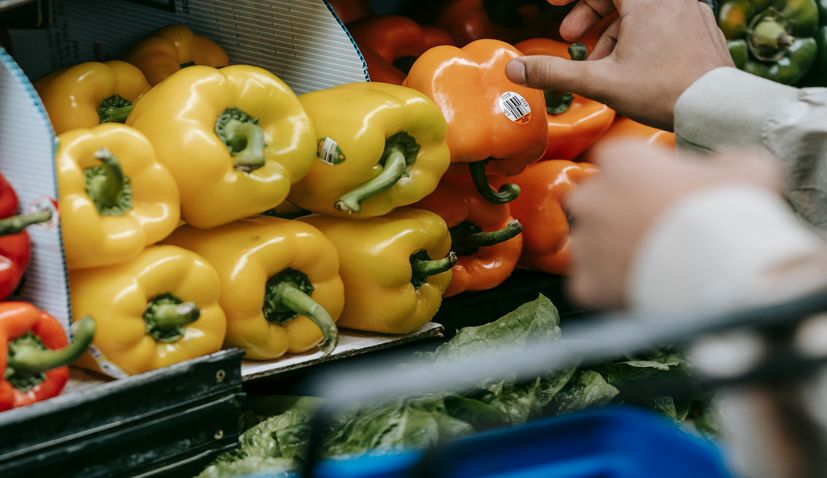
Croatia has seen a significant increase in food imports over the past decade, with the total value now approaching €6.5 billion. At the same time, more than 100 food products have been recalled in the past year alone due to quality and safety concerns, raising questions about supply chains, production processes and chemical contamination.
Experts say the growing scale of industrial food production, along with long transport routes and storage times, are among the key reasons behind the increase in recalls.
Nutritionist Branimir Dolibašić told HRT’s Potrošački kod many potentially harmful substances can find their way into food at various stages of production. These include contaminants introduced through environmental pollution, agricultural chemicals used in farming, or substances that enter food during processing and packaging.
Among the substances attracting increasing attention are so-called “forever chemicals” known as PFAS, as well as bisphenol A, pesticides, microplastics, heavy metals and toxins produced by moulds such as aflatoxins.
“Some contamination can also occur accidentally during production,” Dolibašić explained, noting that manufacturing processes can sometimes lead to small fragments of material or other foreign substances entering food products. In such cases, manufacturers are required to recall affected items from the market.
Scientists say the list of substances being monitored is constantly expanding as research reveals new potential risks. Gordana Jurak from the Dr Andrija Štampar Teaching Institute of Public Health says ongoing scientific studies are uncovering additional chemicals that may have harmful effects on the human body.
“The purpose of these analyses is primarily to protect consumer health,” Jurak said.
Health experts warn that some contaminants do not only cause immediate effects but can accumulate in the body over time. Long-term exposure has been linked to potential impacts on the reproductive system, thyroid function, cholesterol levels and liver health, while some substances are also associated with cancer risks.
PFAS compounds are drawing particular concern. The group includes around 10,000 chemicals containing carbon and fluorine, commonly used in products such as non-stick cookware and industrial coatings. Their widespread use has led to their presence throughout the environment.
At the same time, marketing experts point to the growing influence of advertising on food consumption habits. In Croatia, households spend around 28 per cent of their budgets on food and a further 12 per cent on beverages, making the sector one of the most competitive in the economy.
Marketing specialist Kamilo Antolović says advertising plays a major role not only in driving consumption but also in shaping long-term habits, particularly among children.
“If you create a consumption habit in a child, you potentially have a consumer for the next 50 or even 80 years,” he said.
As imports continue to rise and food supply chains become increasingly complex, experts stress that strong monitoring systems and informed consumers remain essential for protecting public health.