
16
Mar 2026
The European Commission has suspended visa-free travel to the European Union for Georgian diplomats, ministers, and other high-ranking officials, escalating tensions with the government in Tbilisi amid accusations of democratic backsliding.
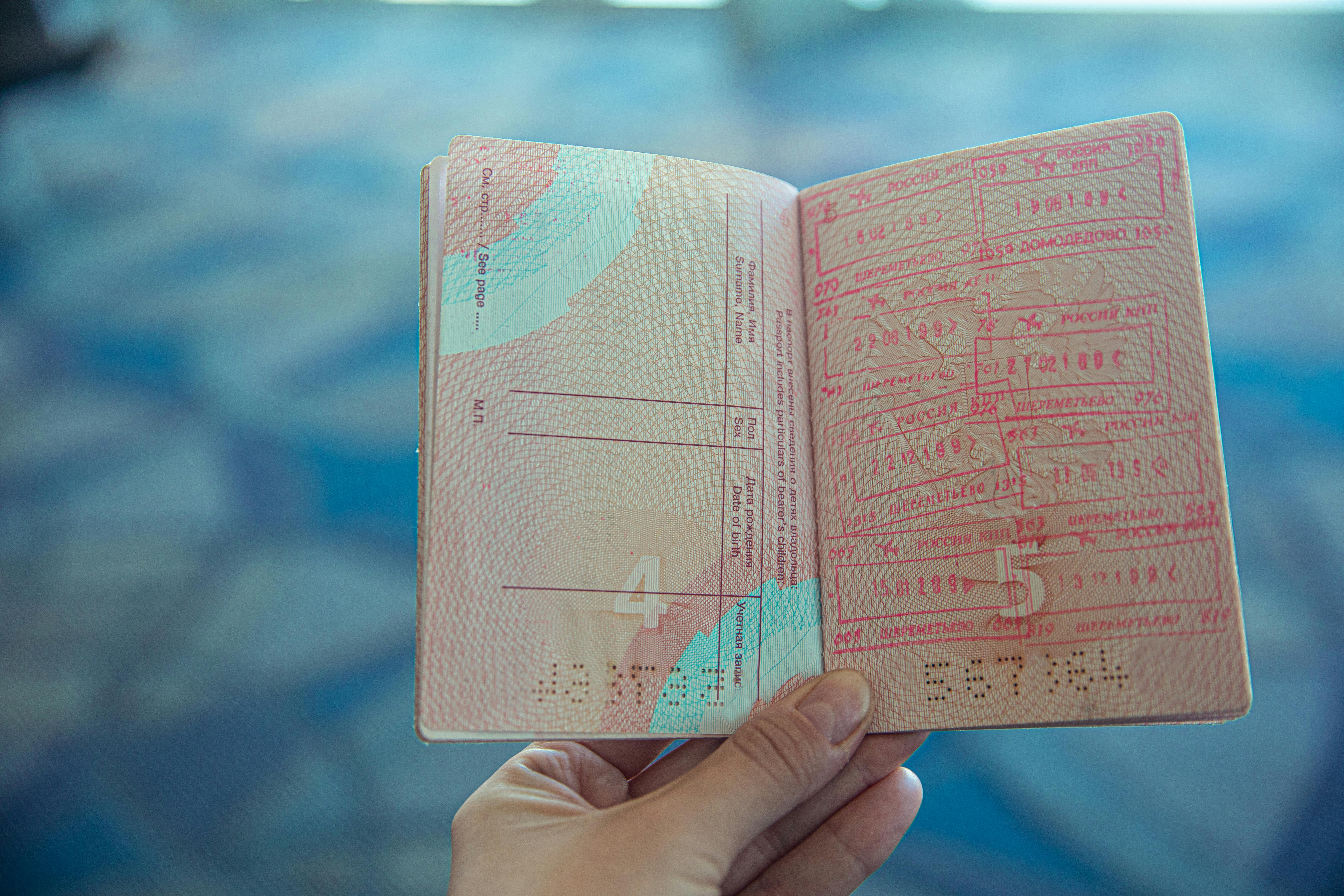
The decision, announced in Brussels on March 6, 2026, requires holders of Georgian diplomatic, service, or official passports to obtain a Schengen visa before entering the bloc.
Travel ban takes effect
The measure takes effect immediately and will remain in force for at least one year.
EU officials framed the move as a direct response to the Georgian government’s actions against protesters, political opponents, and independent media following a wave of unrest that began in 2024.
Under the suspension, ordinary Georgian citizens traveling on standard biometric passports can still enter EU countries visa-free for short visits of up to 90 days within a 180-day period. The restriction targets government representatives and individuals traveling on official state passports.
Brussels invoked the EU’s revised visa suspension mechanism to implement the policy. The rule, strengthened in December 2025, allows the bloc to respond more quickly to security risks or violations tied to visa-free travel agreements.
Officials in Brussels said that the move marks the first time the new mechanism has been activated.
“The people of Georgia have our full support, but there is no place for those representing repression in our Union,” EU foreign policy chief Kaja Kallas stated in a public message announcing the decision.
Tensions follow protests
The travel suspension arrives after months of mounting political turmoil in Georgia.
Protests first erupted in 2024 after the Georgian government announced it would halt negotiations with the EU until 2028. Demonstrations spread across the country and drew tens of thousands of participants.
Authorities responded with mass arrests and episodes of police violence. European officials have pointed to those crackdowns as evidence of a widening gap between Georgia’s leadership and the democratic standards expected from EU partner countries.
The European Commission stated that Georgia’s leadership has engaged in what it called “deliberate and persisting violation” of commitments tied to democracy and fundamental rights.
Commission leaders also cited pressure on independent media and opposition figures.
Henna Virkkunen, the Commission’s executive vice president responsible for tech sovereignty, security, and democracy, described the decision as a consequence of the Georgian government’s response to dissent.
“Visa liberalization is key to facilitate mobility between the EU and partner countries around the world,” Virkkunen stated. “Those who fail to respect fundamental rights should not benefit from this freedom.”
(Image courtesy of Wikimedia Commons via Pexels)
Slamming door on officials
The new policy requires Georgian officials to apply for visas before traveling to the EU’s Schengen area. Member states will review these applications through stricter procedures.
EU guidelines recommend interviews with applicants, additional documentation requirements, and expanded background checks through European security databases.
Border authorities have also been instructed to intensify screening of Georgian travelers entering the bloc.
Officials said those databases include the Visa Information System and the Schengen Information System. Border authorities will also rely on the EU’s Entry/Exit System, a digital monitoring system introduced across parts of the bloc beginning in October 2025.
EU authorities indicated that officials attempting to travel without the appropriate diplomatic or service passport could face entry bans.
Magnus Brunner, the EU commissioner for internal affairs and migration, described the decision as a response to democratic erosion in the country.
“Recent developments in Georgia infringe the rights to freedom of association, expression, and privacy… The EU must respond,” Brunner explained in a statement.
Clock starts on visa ban
The suspension will remain in place until March 6, 2027. European officials indicated that the measure could extend for another two years if the Georgian government fails to address governance concerns and rule-of-law issues.
The Commission also retains the authority to expand the suspension to all Georgian citizens traveling to the EU if conditions deteriorate further.
The policy takes the form of a Commission Implementing Regulation, which received approval from EU member states in February 2026 before the announcement.
EU officials plan to present implementation guidelines to member states during a meeting of the Council of the European Union’s Visa Working Party scheduled for March 27.

(Image courtesy of Werner Pfennig via Pexels)
Steps toward escalation
The latest decision follows a series of earlier actions taken by the EU in response to Georgia’s political trajectory.
In December 2024, the European Commission proposed suspending the EU-Georgia Visa Facilitation Agreement, a policy designed to simplify travel for Georgian officials and diplomats.
The Council of the European Union adopted that suspension in January 2025. At the time, 19 of the EU’s 27 member states independently halted visa privileges for Georgian officials.
The new decision applies the restriction across the entire bloc. EU leaders have also moved to reduce financial support for Georgia over concerns tied to democratic standards.
Democratic slide raises alarm
Georgia was once widely viewed as one of the most pro-Western and reform-oriented countries to emerge from the former Soviet Union. That reputation has come under scrutiny in recent years.
Political analysts and European officials point to Georgia’s ruling Georgian Dream party, which claimed victory in the country’s 2024 elections, as a central actor in the country’s changing political direction.
Protests following those elections created sustained unrest and sharpened divisions between the government and opposition groups.
European policymakers have also pointed to Georgia’s growing economic ties with Russia as a development that complicates relations between Tbilisi and Brussels.
The EU has long positioned itself as Georgia’s largest economic partner and a major supporter of democratic reforms.
(Image courtesy of Ekaterina Belinskaya via Pexels)
Tbilisi pushes back
The Georgian government did not immediately respond to the EU’s March 6 announcement. Officials in Tbilisi previously warned that suspending visa privileges for government representatives could strain relations with the EU.
Georgia’s Ministry of Foreign Affairs stated last year that restrictions on travel for officials would “worsen rather than improve Georgia’s relations with the European Union.”
European leaders have stressed that the new measures are aimed at government officials rather than the general public. Statements from EU officials repeatedly emphasized that Georgian citizens continue to benefit from visa-free travel for short-term visits.
Kallas reiterated that distinction in her remarks announcing the policy.
“The people of Georgia have our full support,” she stated, adding that the European Union will continue to engage with Georgian society while confronting actions taken by the country’s leadership.
The coming months will test whether diplomatic pressure from Brussels prompts political changes in Tbilisi or deepens the divide between Georgia and the EU.