
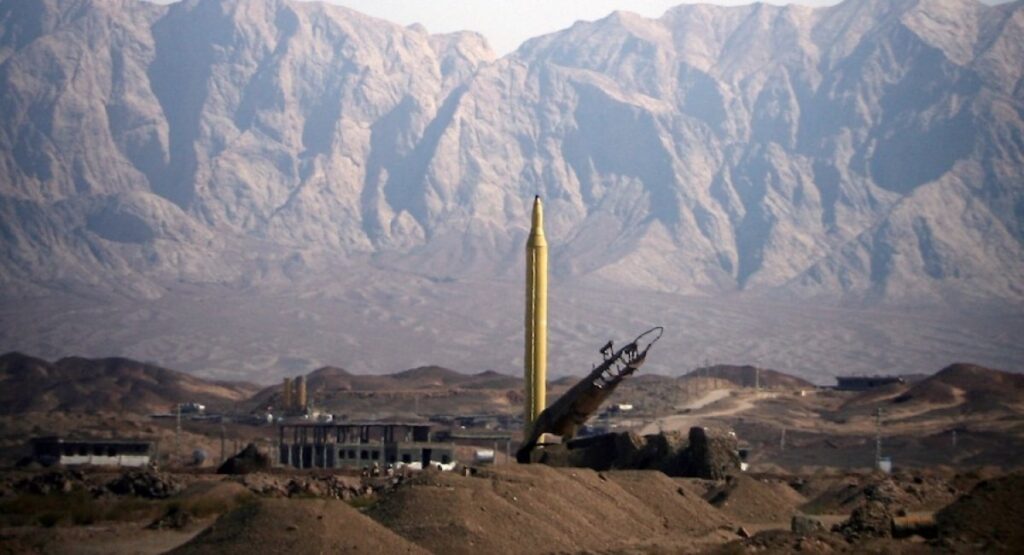
Romania has given the green light for the United States to use the Mihail Kogălniceanu Air Base to station American forces supporting Operation Epic Fury in Iran. Although Romanian officials stressed that only “defensive” weapons would be deployed, the question remains whether the country has sufficient protection against a potential ballistic missile strike, as Iran’s long-range weapons are capable of reaching Romania.
Since the start of the U.S. and Israeli operation in Iran, more European countries have grown concerned about their missile defense capabilities. For example, Bulgaria reportedly asked Greece to provide protection using its Patriot air defense system. Athens responded positively and deployed one battery of the U.S.-made system near the border.
Read more: Satellite Images of UAE Air Base Reveal Possible Heavy Losses After Iranian Attacks
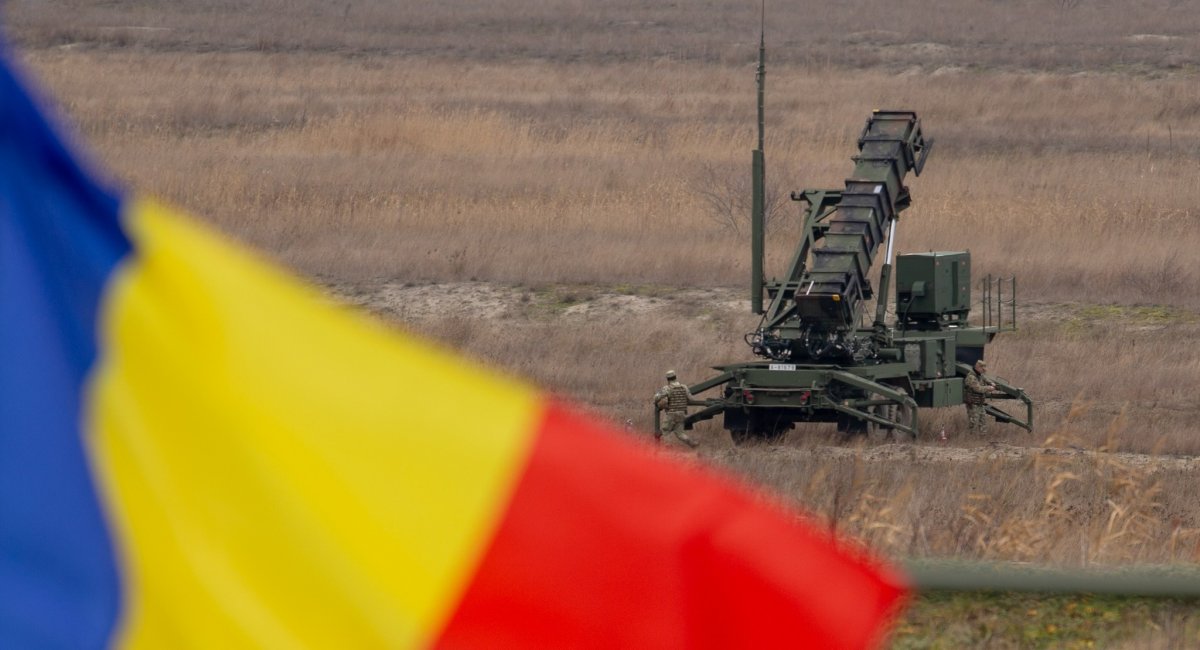 Patriot air defense system in Romania
As for Romania’s own capabilities against ballistic missiles, the country operates at least three Patriot batteries (it previously had four but transferred one to Ukraine). However, as of the summer of 2024, only one battery was fully operational. This situation illustrates that it took Romania seven years to bring the ordered Patriot systems into active service.
Another important factor is the number of PAC-3 MSE interceptor missiles available in Romanian stockpiles. Unofficial open-source estimates suggest the country may possess around 170 interceptors. Assuming two missiles are used per target, this would theoretically allow the interception of about 85 ballistic missiles under ideal conditions with a 100 percent success rate.
At the same time, Romania hosts the Aegis Ashore missile defense system, effectively a “land-based air defense destroyer.” The system uses SM-3 interceptor missile launched from Mk 41 vertical launch system cells, supported by the AN/SPY-1 radar and the Aegis Combat System fire-control architecture.
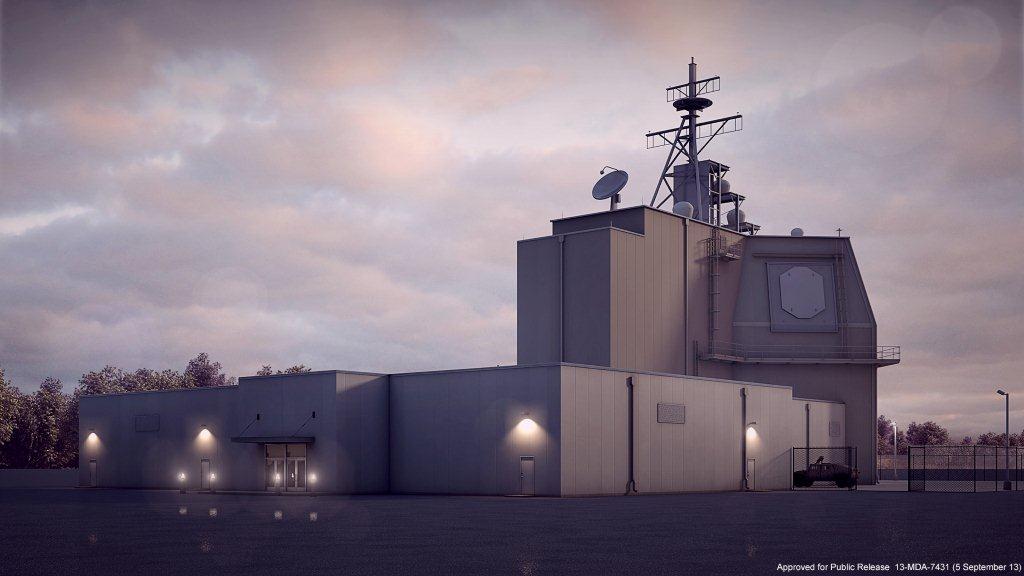 Aegis Ashore missile defense system / Photo credit: Commander, U.S. Naval Forces Europe-Africa / U.S. 6th Fleet
The fact that the United States and Romania are prepared to use this system if necessary is also indicated by plans to deploy additional U.S. satellite communication equipment to Romania alongside aircraft and personnel. This equipment is expected to support the operation of the Aegis Ashore missile defense system.
It is also worth recalling that when the United States first announced plans to deploy the Aegis Ashore missile defense system in Europe (a second site was later established in Poland), the move provoked strong criticism from russia. russian officials openly claimed that such systems could intercept their medium-range and even intercontinental ballistic missiles.
Earlier, Defense Express reported how many Iranian ballistic missile launchers were destroyed by the United States and Israel despite having overwhelming air superiority and some of the world’s most advanced intelligence capabilities.
Read more: U.S. Uses ATACMS to Sink Iranian Ships Even Though Missile Cannot Hit Moving Targets