
Published on
March 17, 2026
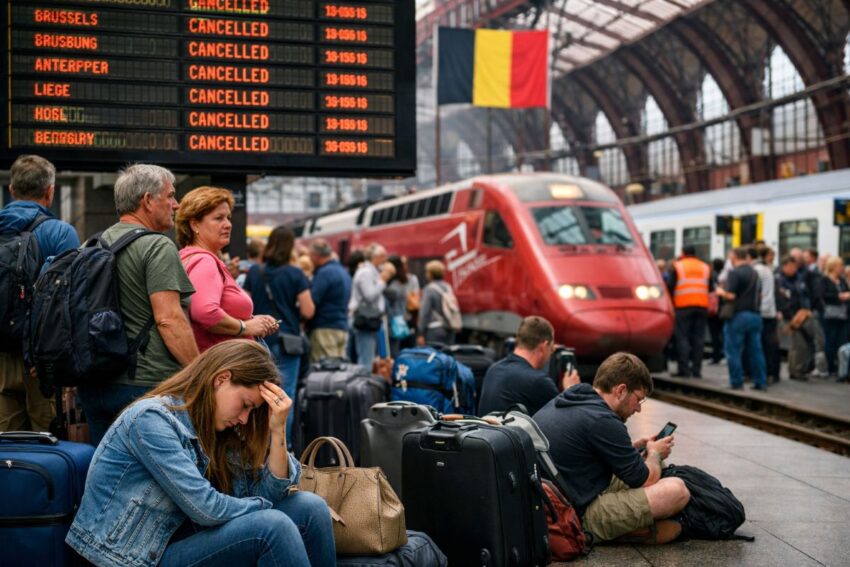
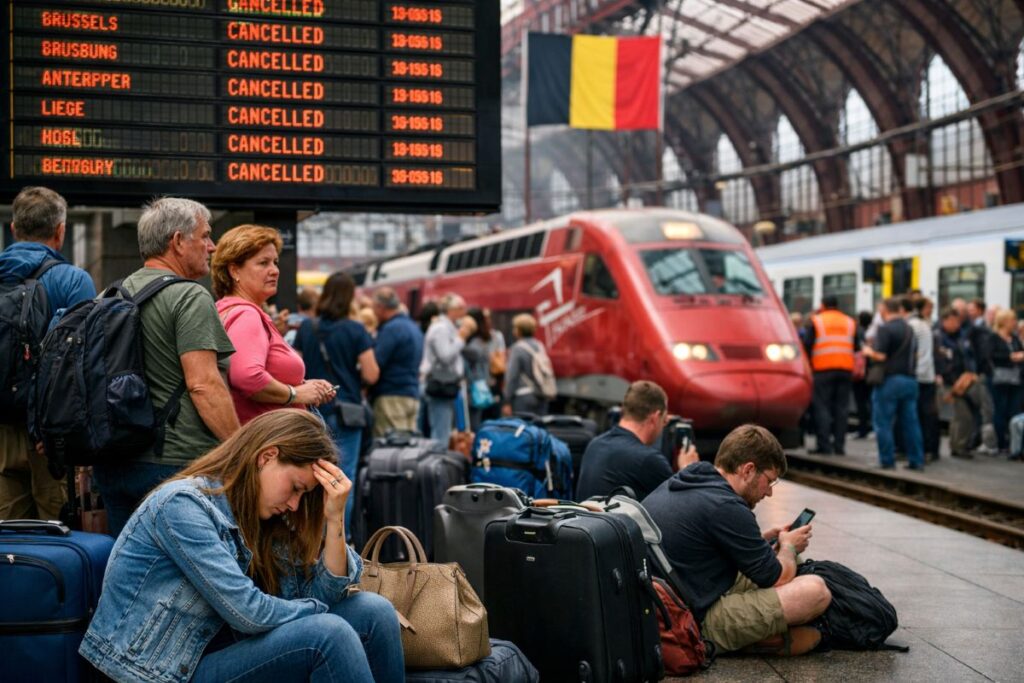
Image generated with Ai
Belgium sells itself as an easy‑to‑tour, rail‑connected gateway to Europe, but official complaint channels are now signalling serious strain on the passenger experience. Government‑recognised ombuds services and passenger‑rights bodies describe a growing need to mediate disputes between travellers and railway companies as more people contest delays, cancellations, poor information and unresolved claims. For tourists planning multi‑city travel and tour itineraries by train, this trend is more than a statistic: it is a direct warning that rail‑based holidays can be derailed by service failures and complex redress procedures.
At the centre of this system stands Ombudsrail, Belgium’s officially recognised ombudsman service for rail passengers, which handles complaints about railway companies operating on Belgian territory and on international routes linked to the country. The service’s growing caseload points to structural issues in how rail journeys are managed and how complaints are handled, prompting concerns for the reliability of rail as a tourism backbone.
Ombudsrail: The Last Resort for Disappointed Travellers
According to its own mandate, Ombudsrail mediates free of charge and from an independent position in disputes between passengers and railway undertakings or the infrastructure manager. It may intervene when a journey’s departure, arrival or connection point is located in Belgium, or when the ticket has been bought from a Belgian railway company, which means many cross‑border travel and tourism trips also fall under its scope.
Crucially, Ombudsrail operates as an appeals body, not a first‑line helpdesk. Railway companies get the first opportunity to respond to a passenger’s complaint and are expected to answer within 30 days; only when they fail to reply or provide an unsatisfactory response can the traveller turn to the ombuds service. In the context of holidays or short visits, this delayed path to escalation can leave tourists feeling that their disrupted trip has ended long before their complaint is properly heard, amplifying frustration.
Government‑Backed Rights: Strong on Paper, Harder in Practice
Belgium’s federal authorities underline that rail passengers benefit from legally protected rights, many of which originate in European regulations designed to safeguard consumers during domestic and international journeys. These frameworks enshrine non‑discriminatory access to rail services, the right to clear information, and access to assistance for people with disabilities or reduced mobility, alongside rules on compensation and complaint handling.
For travel and tourism, this legal safety net is supposed to guarantee that a delayed train, missed connection or inaccessible station does not automatically translate into a ruined trip without remedy. Yet the very need for a specialised ombudsman and detailed complaint procedures shows that many passengers still struggle to translate rights on paper into effective outcomes when journeys go wrong. As official bodies refine and update regulation—such as the EU’s revised rules on rail passenger rights—there is growing pressure on operators to improve information, accessibility and complaint resolution processes that are crucial for tourists.
Advertisement
Advertisement
Accessibility Failures Threaten Inclusive Tourism
European Regulation 2021/782, as explained by official consumer and passenger‑rights bodies, gives passengers with disabilities or reduced mobility explicit protections when travelling by rail. These include the principle of non‑discrimination, conditions for the right to assistance, and the right to compensation if mobility equipment is lost or damaged, as well as obligations around staff training and accessible information.
When stations are not fully accessible, assistance is inconsistent or information is not adapted to different needs, the impact on inclusive travel and tourism is immediate. Senior travellers, visitors using wheelchairs, and tour groups relying on support can find rail journeys in Belgium unexpectedly stressful, potentially discouraging future trips and undermining the country’s image as a welcoming destination. Official emphasis on improving enforcement and staff preparation underscores how central accessibility has become to both passenger rights and tourism policy.
Advertisement
Advertisement
Complaint Pathway: From Spoiled Holiday to Formal Case
Guidance from Belgian and EU‑linked consumer channels describes a structured complaint ladder that every rail passenger should understand before relying on trains for travel and tours. The process typically involves two steps:
- First, passengers must submit a complaint directly to the railway company and wait for a response, which should normally arrive within a defined period, often 30 days in the Belgian framework.
- Second, if there is no reply or the answer is unsatisfactory, the case can be escalated to Ombudsrail as an independent mediator.
This structure is designed to encourage companies to resolve issues themselves while offering travellers a neutral body to appeal to if they feel ignored or unfairly treated. However, for short‑stay tourists whose disrupted trip may last only a weekend, waiting weeks for a response can make the process feel detached from the real‑time impact of a cancelled train or lost hotel night. As complaint numbers rise, it becomes clear that more and more passengers are willing to pursue this long route to seek redress, signalling deep dissatisfaction.
Multi‑Operator Trips Magnify the Risk for Tourists
Federal information on cross‑border travel stresses that the FPS Mobility and Transport is responsible for ensuring that passengers’ rights are respected during international journeys to and from Belgium. Yet modern rail tourism often involves multiple operators and ticketing systems—a national train to a hub, a high‑speed connection across borders, and possibly regional services at the destination.
When something goes wrong in this chain, travellers may struggle to identify which company is responsible for delays, missed connections or extra costs, especially if tickets are not sold as a single “through‑ticket”. This confusion feeds into the rising reliance on Ombudsrail and similar bodies, as official mediators become the only actors positioned to untangle overlapping responsibilities that individual tourists cannot easily decode. For tour operators packaging rail‑based itineraries, these complexities raise serious questions about reliability and customer satisfaction.
Tourism Image at Stake as Complaints Mount
Belgium’s tourism model leans heavily on its dense rail network, marketed as a sustainable and convenient way to explore multiple cities without a car. However, the growing weight of complaints handled by official ombuds and rights‑enforcement bodies sends a clear signal: passenger confidence is under pressure, and with it the appeal of rail‑centric travel.
When delays, cancellations, poor communication and unresolved claims pile up, they do more than inconvenience individuals—they reshape how travel and tour planners perceive the destination. Negative experiences can quickly spread through reviews and social media, while formal complaints accumulate in annual reports that are shared with ministers, parliaments and rail company executives, pushing the issue into the policy spotlight. In this environment, safeguarding passenger rights is not just a legal duty; it is a core part of protecting Belgium’s brand as a rail‑friendly, tourist‑friendly country.
What Travellers Can Do to Protect Their Trips
Official sources implicitly suggest a survival guide for anyone weaving Belgium’s rail into their travel and tourism plans. Passengers should keep all tickets, receipts and written communications, record disruption details, and submit a clear complaint to the relevant railway company as soon as problems arise. If the company does not respond satisfactorily within the expected timeframe, turning to Ombudsrail for free, independent mediation offers a structured way to pursue a fair solution.
For now, trains remain a powerful tool for sustainable, multi‑city tourism across Belgium and its neighbours, but the surge in official complaints is a loud reminder that travellers must plan smart, know their rights and be ready to escalate when the system fails. How operators and policymakers respond to these warning signs will determine whether Belgium’s railways continue to be seen as a glamorous gateway for European tours or a risky bet for time‑sensitive itineraries.
