If that is the case it is reasonable to speculate that the US and Israel attacked to specifically disrupt a deal.
It always seemed odd to me that the Trump regime left invasion or regime change as the only viable option after canceling the first deal.
They espoused concepts like there is no reasonable method to determine if Iran does not hold enrichment commitments. Also seen by insistence that they can not have a nuclear power program.
I other words this war was completely predictable because the Trump regime painted itself into a corner.
Malachi9999 on
It seems the deal offered was Iran keeping all it’s capabilities and stock of Uraniam and just promising to be good, again.
AlerteGeo_OSINT on
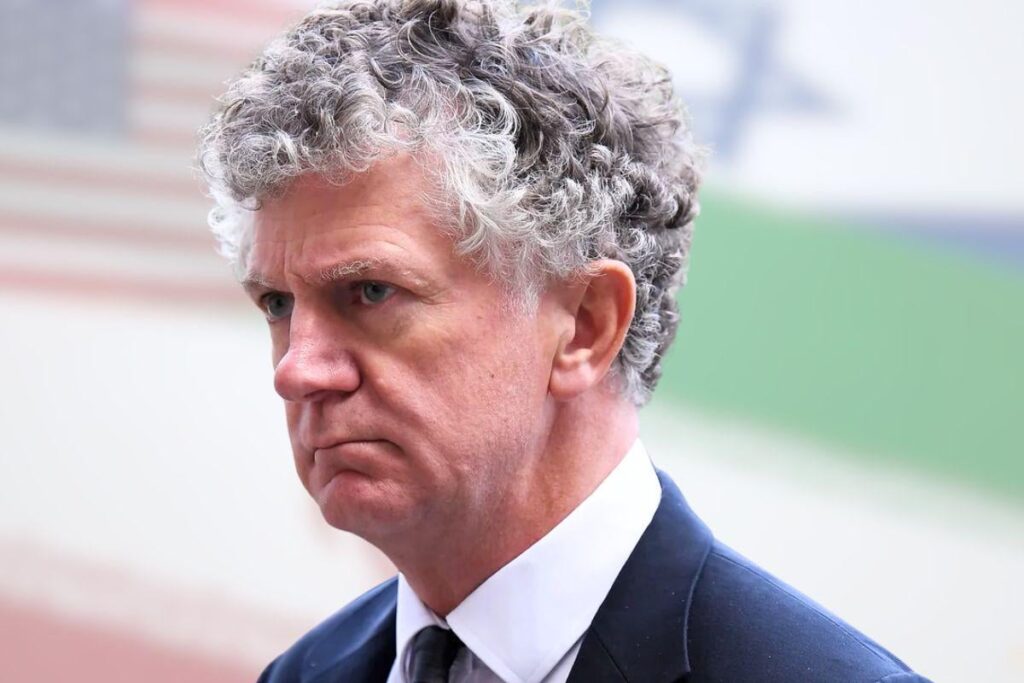
Powell’s involvement here is significant for one underappreciated reason: it signals that UK intelligence (GCHQ/SIS) had enough independent confidence in the diplomatic track to commit their National Security Adviser to the room.
That’s not a symbolic gesture. The UK doesn’t put its NSA at a table unless their own assessment — separate from Five Eyes intelligence sharing with the US — suggests a viable pathway. The fact that Powell reportedly judged it “within reach” means the UK’s independent verification of Iran’s posture was tracking differently from the line coming out of Washington.
This matters because it suggests the intelligence picture wasn’t as unambiguous as either side now claims. If Five Eyes partners were reading the same signals differently, it tells you the decision to strike was more political than intelligence-driven. That’s not necessarily wrong in realpolitik terms, but it does undermine the narrative that diplomacy had been exhausted.
justwalk1234 on
I feel that Iran should be able to keep some nuclear stuff, in case the USA and Israel do whatever they’re doing *right now*
irow40 on
“You can’t make a good deal with a bad person” – Warren Buffett
boldmove_cotton on
This narrative over a hypothetical deal really misses and ignores the whole reasoning behind going war. The issue isn’t whether a new deal with Iran was technically feasible; it’s that any agreement simply buys the IRGC time, closing the window on the ability to stop them without tremendous future sacrifice.
Cutting them another deal is essentially paying a modern-day Danegeld. Iran is a regional menace holding a knife to everyone’s throats, and financial relief only emboldens the IRGC to broaden its footprint in preparation for an eventual, inevitable confrontation. History shows that if you pay the Danegeld, the aggressor is satisfied for a few years, but they always return better equipped.
Sure, a deal might temporarily pause the nuclear program and ship some uranium to Russia. But it does nothing to stop the clock ticking on their conventional threats. Their ballistic missile and drone programs would continue to advance unchecked, and the payoff from the deal would be funneled directly to their proxies—supplying them with increasingly dangerous asymmetric weapons to terrorize the region and threaten global stability.
The ‘anti-war’ crowd pushed the exact same logic of appeasement in the 1930s, convinced that ignoring a rising threat meant it would never actually reach their doorsteps.
OSTARA_WORK on
Israeli Defense Minister Israel Katz declared on Friday, March 13, that the Lebanese government would pay “an increasing price through damage to Lebanese national infrastructure that is used by Hezbollah terrorists” if it did not immediately disarm Hezbollah. MADNESS.
Israel’s threat to target Lebanese civilian infrastructure if Hezbollah is not disarmed is consistent with a long-standing Israeli geopolitical doctrine:
* Pressure the state for actions of non-state actors,
* Raise the cost of inaction for the host government (in this case, Lebanon).
This logic has been used before, especially since the 2006 Lebanon War.
The problem is that such an operation cannot realistically be launched in the middle of a war that has already killed more than 800 Lebanese and displaced over 700.000 people that are living inside tents, on the beaches of Lebanon, and are still being bombarded by Israel’s air force, supplied by the USA.
Rodolphe Haykal, commander-in-chief of Lebanon’s under-resourced army, obviously refused, citing the risk of fratricidal conflict and further undermining his government’s credibility.
Last year, USA had already cancelled the visit of Rodolphe Haykal over frustration with Hezbollah disarmament, as Washington reportedly described its dissatisfaction with what it saw as the Lebanese army’s failure to carry out assigned missions and Hezbollah’s disarmament.
Washington took issue with a Lebanese army statement that blamed Israel, rather than Hezbollah, for rising tensions along the border, and the matter was elevated to USA Secretary of State Marco Rubio, who plays a central role in shaping Washington’s policy toward Lebanon.
The Lebanese army’s disputed statement was issued after Israel carried out warning fire near UNIFIL troops in southern Lebanon, who were mistakenly identified as suspects. The statement also accused Israel of ongoing violations of Lebanon’s sovereignty, destabilizing the country and delaying the full deployment of the Lebanese army in the south.
To fully understand the Israel vs Lebanon conflict, one must look back more than 30 years. At the end of the Lebanese civil war (1975-1990), Hezbollah was the only group allowed to keep its weapons, since Hezbollah justified this exception by invoking its fight against Israel, which at the time occupied southern Lebanon with the help of local auxiliary militias.
Instead of once again aligning itself with Israel, the USA should learn the lessons of History. Yet, another invasion of Lebanon – a country already on the brink – will weaken its civil & military authorities long before it truly brings Hezbollah to its knees, as dreamed by Israel and Trump.
The creation of an Israeli “buffer zone” on Lebanese soil (up to the Litani River, at least) will only revive the resistance of Hezbollah since the 2000 withdrawal of Israel. An Israeli “buffer zone” up to the Litani River has an historical precedent since Israel maintained a “security zone” in southern Lebanon, from 1985 to 2000. The result was constant insurgency and resistance from Hezbollah and other Shiite and Druze militias, Israeli occupation became unsustainable and Israel withdrew unilaterally in 2000. Allowing Hezbollah to build great legitimacy through armed resistance against the invader.
The USA have always faced a strategic dilemma until Trump took power in the Oval Office: USA supported Israel’s security, but also wanted the stability of the Lebanese state.
USA goals conflict (even more) with Trump deeply involved with Israel against Iran because applying pressure on the Lebanese army to disarm Hezbollah totally ignores the risk of internal collapse of the government in Lebanon and the possibility of another major civil war.
Trump allowing Israel to damage civilian & state infrastructure in Lebanon only undermines the very actor (Lebanese army & government) that Israel wants (??) to empower against Hezbollah.
To make matters worse, Iran will be repairing its own country (at great cost), hardly being able to help Lebanon, and Saudi Arabia will have no real incentive to aid Lebanon with Iran out of the game. Saudi Arabia only helped Lebanon, in the past, as a result of bitter rivalry against Iran. Never was charity, neither was a genuine interest in helping Lebanon.
Israel is the real winner under the Trump administration, and is able to invade Lebanon every time it wishes, with complete disregard for the future of Lebanon as an independent Nation.
Due_Capital_3507 on
I was told by the president of the US that their nuclear program was completely dismantled just 9 short months ago. Did the president lie or did Iran just catch back up?

8 Comments
If that is the case it is reasonable to speculate that the US and Israel attacked to specifically disrupt a deal.
It always seemed odd to me that the Trump regime left invasion or regime change as the only viable option after canceling the first deal.
They espoused concepts like there is no reasonable method to determine if Iran does not hold enrichment commitments. Also seen by insistence that they can not have a nuclear power program.
I other words this war was completely predictable because the Trump regime painted itself into a corner.
It seems the deal offered was Iran keeping all it’s capabilities and stock of Uraniam and just promising to be good, again.
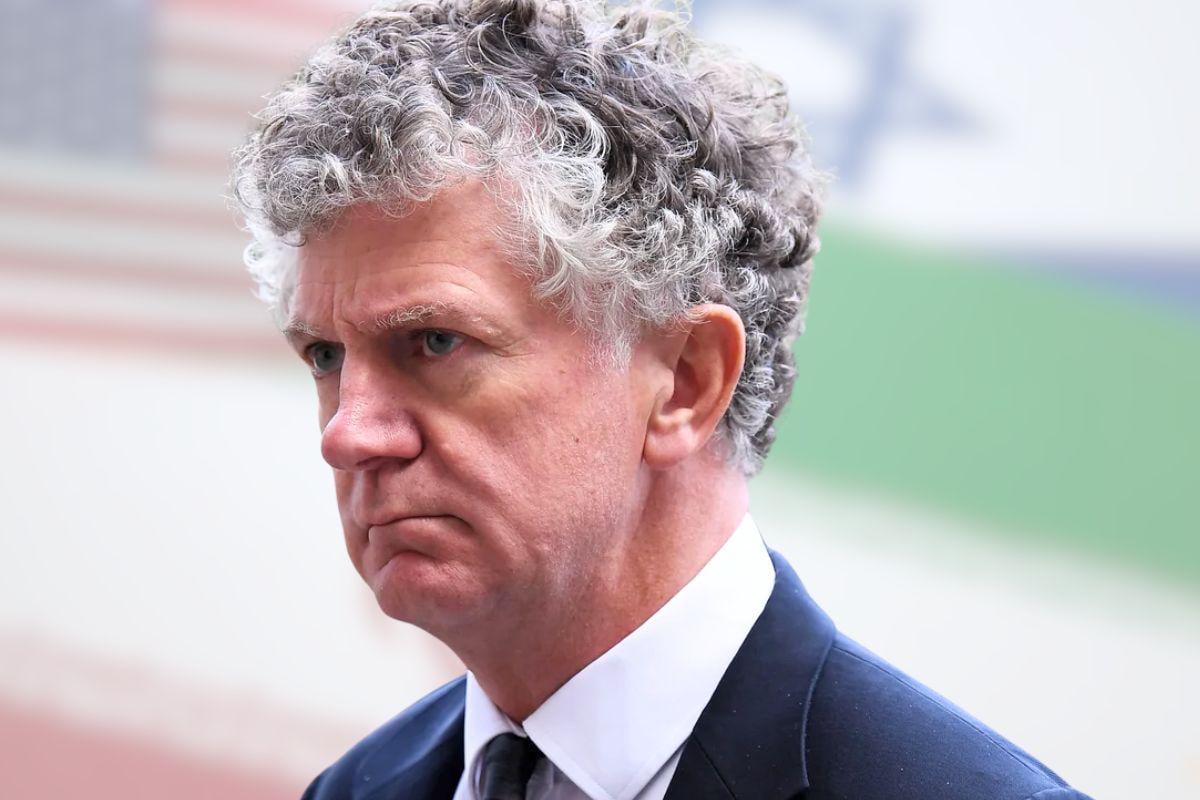
Powell’s involvement here is significant for one underappreciated reason: it signals that UK intelligence (GCHQ/SIS) had enough independent confidence in the diplomatic track to commit their National Security Adviser to the room.
That’s not a symbolic gesture. The UK doesn’t put its NSA at a table unless their own assessment — separate from Five Eyes intelligence sharing with the US — suggests a viable pathway. The fact that Powell reportedly judged it “within reach” means the UK’s independent verification of Iran’s posture was tracking differently from the line coming out of Washington.
This matters because it suggests the intelligence picture wasn’t as unambiguous as either side now claims. If Five Eyes partners were reading the same signals differently, it tells you the decision to strike was more political than intelligence-driven. That’s not necessarily wrong in realpolitik terms, but it does undermine the narrative that diplomacy had been exhausted.
I feel that Iran should be able to keep some nuclear stuff, in case the USA and Israel do whatever they’re doing *right now*
“You can’t make a good deal with a bad person” – Warren Buffett
This narrative over a hypothetical deal really misses and ignores the whole reasoning behind going war. The issue isn’t whether a new deal with Iran was technically feasible; it’s that any agreement simply buys the IRGC time, closing the window on the ability to stop them without tremendous future sacrifice.
Cutting them another deal is essentially paying a modern-day Danegeld. Iran is a regional menace holding a knife to everyone’s throats, and financial relief only emboldens the IRGC to broaden its footprint in preparation for an eventual, inevitable confrontation. History shows that if you pay the Danegeld, the aggressor is satisfied for a few years, but they always return better equipped.
Sure, a deal might temporarily pause the nuclear program and ship some uranium to Russia. But it does nothing to stop the clock ticking on their conventional threats. Their ballistic missile and drone programs would continue to advance unchecked, and the payoff from the deal would be funneled directly to their proxies—supplying them with increasingly dangerous asymmetric weapons to terrorize the region and threaten global stability.
The ‘anti-war’ crowd pushed the exact same logic of appeasement in the 1930s, convinced that ignoring a rising threat meant it would never actually reach their doorsteps.
Israeli Defense Minister Israel Katz declared on Friday, March 13, that the Lebanese government would pay “an increasing price through damage to Lebanese national infrastructure that is used by Hezbollah terrorists” if it did not immediately disarm Hezbollah. MADNESS.
Israel’s threat to target Lebanese civilian infrastructure if Hezbollah is not disarmed is consistent with a long-standing Israeli geopolitical doctrine:
* Pressure the state for actions of non-state actors,
* Raise the cost of inaction for the host government (in this case, Lebanon).
This logic has been used before, especially since the 2006 Lebanon War.
The problem is that such an operation cannot realistically be launched in the middle of a war that has already killed more than 800 Lebanese and displaced over 700.000 people that are living inside tents, on the beaches of Lebanon, and are still being bombarded by Israel’s air force, supplied by the USA.
Rodolphe Haykal, commander-in-chief of Lebanon’s under-resourced army, obviously refused, citing the risk of fratricidal conflict and further undermining his government’s credibility.
[https://www.ynetnews.com/article/bksqiqkg11l](https://www.ynetnews.com/article/bksqiqkg11l)
Last year, USA had already cancelled the visit of Rodolphe Haykal over frustration with Hezbollah disarmament, as Washington reportedly described its dissatisfaction with what it saw as the Lebanese army’s failure to carry out assigned missions and Hezbollah’s disarmament.
Washington took issue with a Lebanese army statement that blamed Israel, rather than Hezbollah, for rising tensions along the border, and the matter was elevated to USA Secretary of State Marco Rubio, who plays a central role in shaping Washington’s policy toward Lebanon.
The Lebanese army’s disputed statement was issued after Israel carried out warning fire near UNIFIL troops in southern Lebanon, who were mistakenly identified as suspects. The statement also accused Israel of ongoing violations of Lebanon’s sovereignty, destabilizing the country and delaying the full deployment of the Lebanese army in the south.
To fully understand the Israel vs Lebanon conflict, one must look back more than 30 years. At the end of the Lebanese civil war (1975-1990), Hezbollah was the only group allowed to keep its weapons, since Hezbollah justified this exception by invoking its fight against Israel, which at the time occupied southern Lebanon with the help of local auxiliary militias.
[https://www.cia.gov/readingroom/docs/CIA-RDP80R01731R003000180037-4.pdf](https://www.cia.gov/readingroom/docs/CIA-RDP80R01731R003000180037-4.pdf)
Instead of once again aligning itself with Israel, the USA should learn the lessons of History. Yet, another invasion of Lebanon – a country already on the brink – will weaken its civil & military authorities long before it truly brings Hezbollah to its knees, as dreamed by Israel and Trump.
The creation of an Israeli “buffer zone” on Lebanese soil (up to the Litani River, at least) will only revive the resistance of Hezbollah since the 2000 withdrawal of Israel. An Israeli “buffer zone” up to the Litani River has an historical precedent since Israel maintained a “security zone” in southern Lebanon, from 1985 to 2000. The result was constant insurgency and resistance from Hezbollah and other Shiite and Druze militias, Israeli occupation became unsustainable and Israel withdrew unilaterally in 2000. Allowing Hezbollah to build great legitimacy through armed resistance against the invader.
The USA have always faced a strategic dilemma until Trump took power in the Oval Office: USA supported Israel’s security, but also wanted the stability of the Lebanese state.
USA goals conflict (even more) with Trump deeply involved with Israel against Iran because applying pressure on the Lebanese army to disarm Hezbollah totally ignores the risk of internal collapse of the government in Lebanon and the possibility of another major civil war.
Trump allowing Israel to damage civilian & state infrastructure in Lebanon only undermines the very actor (Lebanese army & government) that Israel wants (??) to empower against Hezbollah.
To make matters worse, Iran will be repairing its own country (at great cost), hardly being able to help Lebanon, and Saudi Arabia will have no real incentive to aid Lebanon with Iran out of the game. Saudi Arabia only helped Lebanon, in the past, as a result of bitter rivalry against Iran. Never was charity, neither was a genuine interest in helping Lebanon.
Israel is the real winner under the Trump administration, and is able to invade Lebanon every time it wishes, with complete disregard for the future of Lebanon as an independent Nation.
I was told by the president of the US that their nuclear program was completely dismantled just 9 short months ago. Did the president lie or did Iran just catch back up?