
 Interconnect Malta
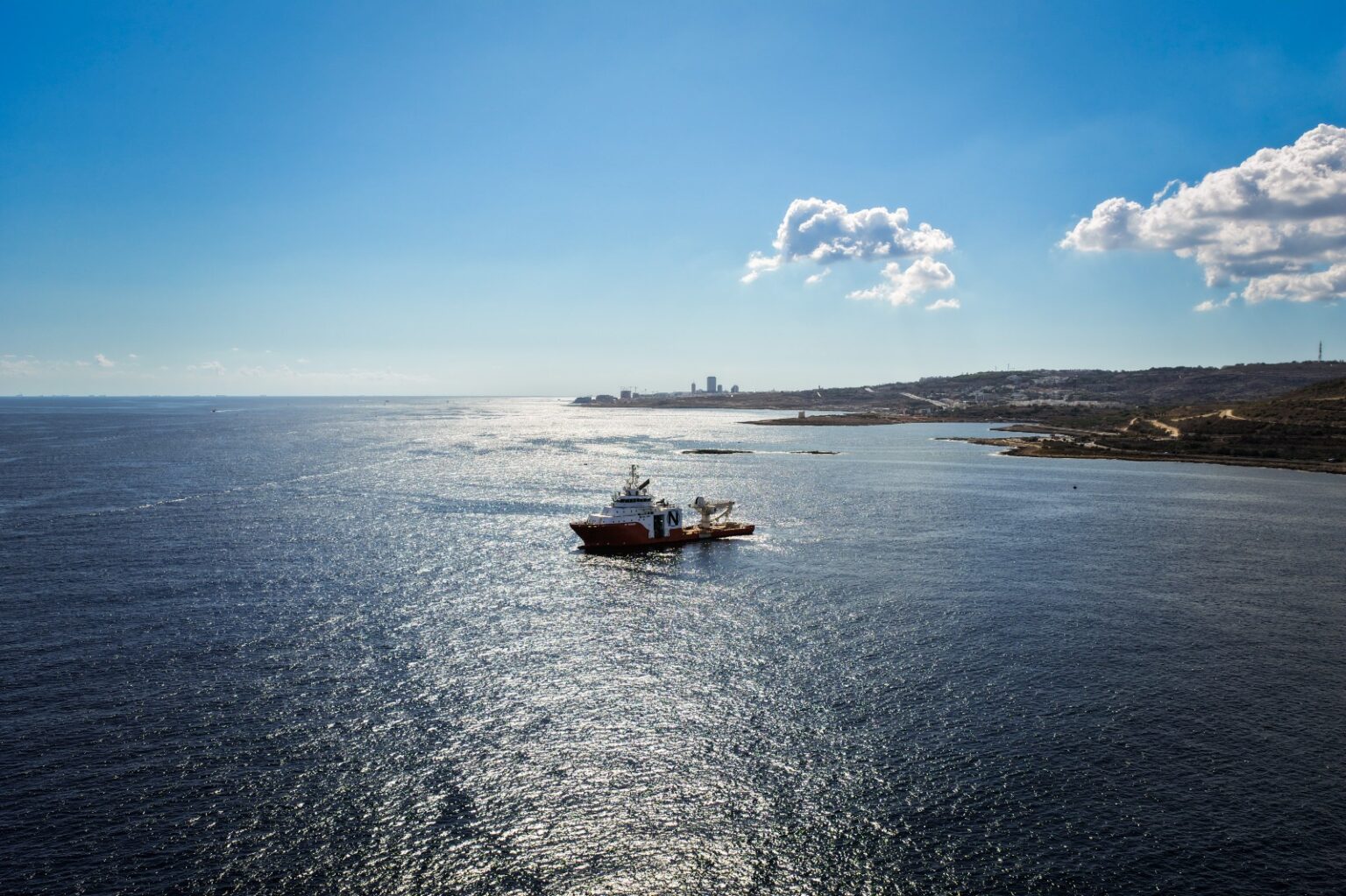
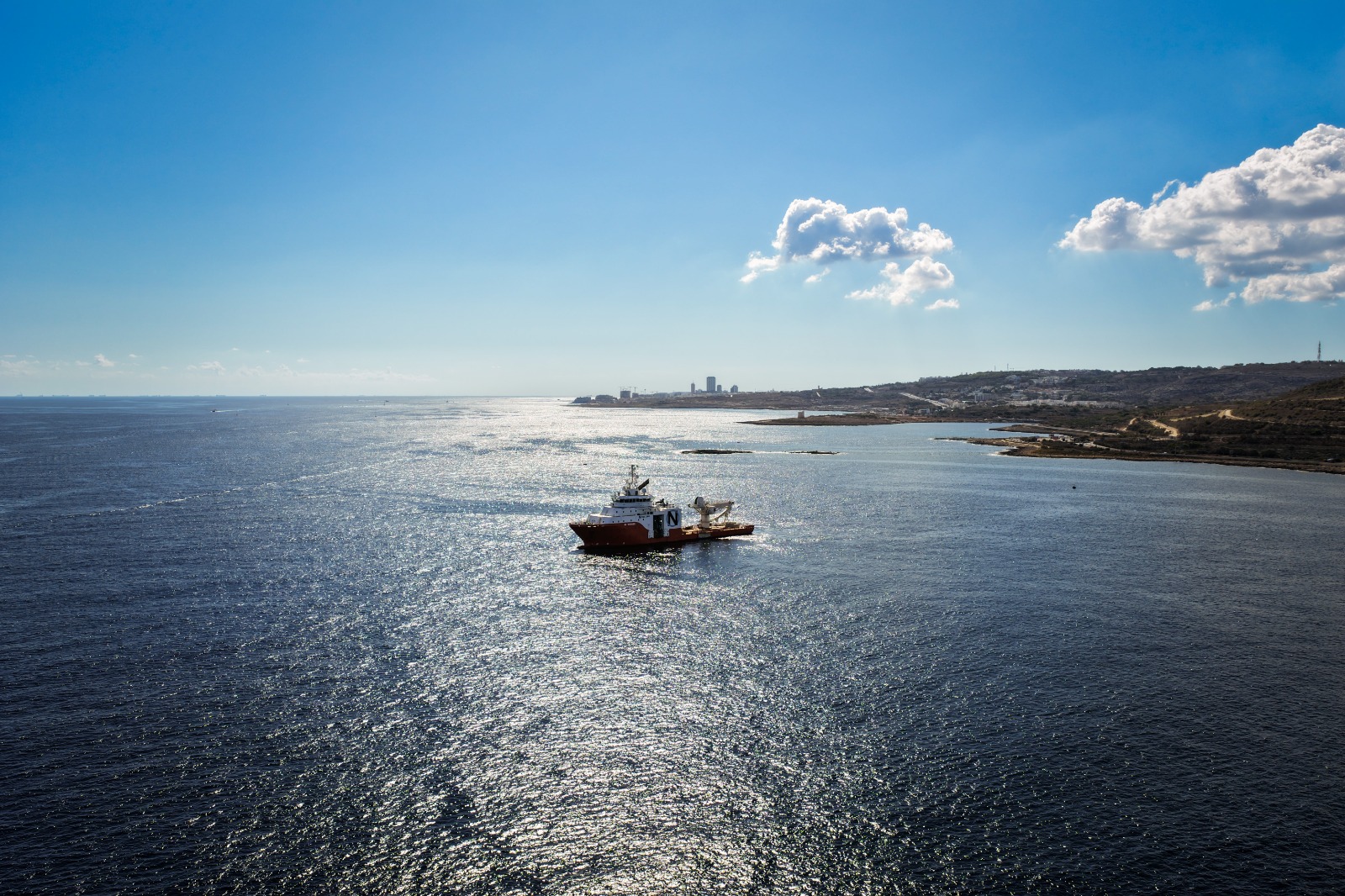
Engineers working on Malta’s second electricity interconnector with Sicily have begun sweeping the seabed for unexploded ordnance and other buried obstacles, after a detailed marine survey identified nearly 400 targets requiring investigation along the 99-kilometre submarine cable route.
Interconnect Malta, the state entity overseeing the project, announced on Thursday that it had moved into the Identification and Clearance phase of the Second Malta–Sicily Interconnector – known as IC2 – following the completion of the Detailed Marine Route Survey.
Specialists initially detected 707 magnetic anomalies buried beneath the seabed. Desktop analysis reduced that figure to 393 targets, which will now be individually investigated using remotely operated vehicles, specialised offshore vessels and explosive ordnance disposal experts operating at depths of up to 170 metres.
The discoveries are not unusual in Mediterranean waters that saw sustained naval conflict during the second world war, but they represent an additional technical hurdle for a project already carrying significant strategic weight. Where objects are confirmed to pose no risk, they will be recovered or managed on site. Should unexploded ordnance be identified, the response will be coordinated with the Armed Forces of Malta and Italian authorities.
The €300m project – more than half of which is co-financed by the European Union through the European Regional Development Fund – will lay a 245kV high-voltage cable running parallel to the first interconnector commissioned in 2015.
Energy minister Miriam Dalli hailed the IC2 project as “a central element of Malta’s long-term energy strategy” that will strengthen security of supply and drive the shift toward a more sustainable system.
However, the project proceeds against a backdrop of longstanding controversy over Malta’s energy policy. Critics have long argued that successive Labour governments deliberately downplayed the importance of the first interconnector to protect the political optics of the Electrogas LNG project – a gas-fired power station that has been at the centre of corruption allegations involving former government officials and the murder of Daphne Caruana Galizia.
Once operational, IC2 will double Malta’s connectivity to the European energy grid and add 225MW of capacity, a figure that carries considerable practical significance for an island that has come to depend on the cable as its primary backstop against blackouts.
That dependence has been hard-won. In December 2019, a ship’s anchor severed the first interconnector, triggering rolling blackouts across Malta because local power stations – including the scandal-ridden Electrogas LNG plant – could not stabilise the grid’s frequency without the stabilising mass of the European network.
Expensive emergency diesel generation was required for months while the cable was repaired. During the record heatwaves of 2023 and 2024, the interconnector provided an estimated 35% to 40% of Malta’s peak load, effectively preventing a collapse of the generation system.
IC2 is also central to Malta’s renewable energy ambitions. Solar and wind power, by their nature intermittent, require a large and flexible grid buffer to absorb surges and fill gaps. Without the second cable, the country’s stated goals for electric vehicles and green transition would remain structurally undeliverable.
The project features prominently in Malta’s Vision 2050 strategy and has been designated an operation of strategic importance under the EU’s 2021–2027 programming cycle. EU funding amounts to €165m. Full commercial operation had been expected by the end of the second quarter of 2026.

