
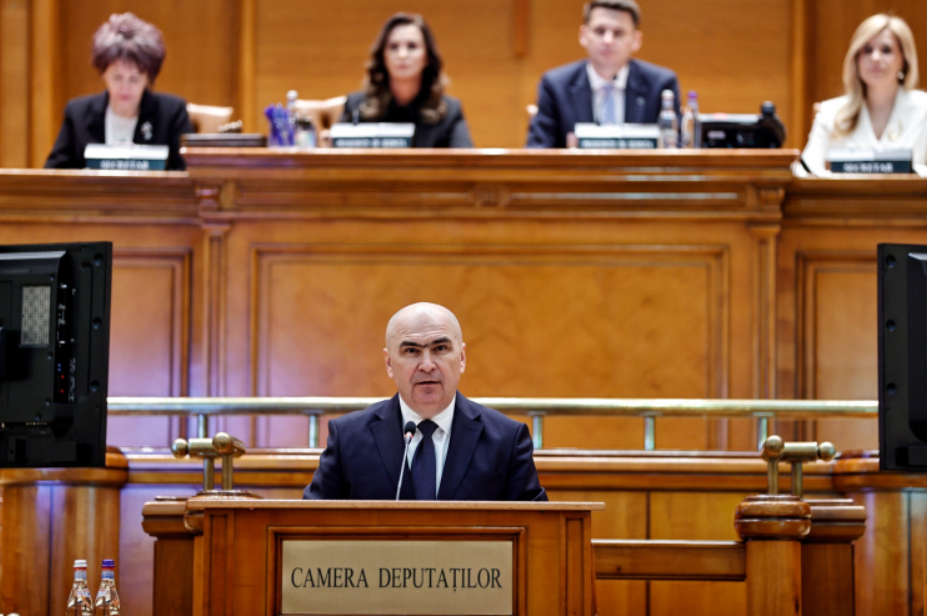
Romania’s Parliament has adopted the 2026 state budget following several days of political tensions and negotiations, setting a deficit target of 6.2% of GDP and projecting modest economic growth.
The budget was approved with 319 votes in favour and 104 against, while the social security budget passed with 314 votes in favour and 105 against.
Romania’s GDP is expected to exceed RON 2,045 billion in 2026, equivalent to approximately EUR 400 billion, with economic growth forecast at 1%. The cash budget deficit is estimated at RON 127.75 billion.

Speaking in Parliament, Prime Minister Ilie Bolojan said the budget reflects Romania’s commitment to fiscal responsibility and includes funding for investments, salaries, pensions, and support measures.
The adoption process was marked by disputes between coalition partners and opposition parties, including disagreements over amendments and broader fiscal priorities. PSD leader Sorin Grindeanu indicated that tensions persisted until the final stages of the vote, while shifting focus towards economic pressures such as fuel and energy prices.

Key spending measures
The budget outlines a restrictive approach to public spending, with a clear focus on cost control:

-
Public sector salaries, allowances, and bonuses are frozen at December 2025 levels
-
Most bonuses, premiums, and additional benefits are suspended in 2026

-
Overtime will be compensated with time off rather than pay
-
Meal allowance of RON 347/month and holiday vouchers of RON 800 are granted only to public employees earning up to RON 6,000 net
-
No financial compensation for unused leave upon termination in 2026
-
No retirement bonuses or similar benefits will be granted
At the same time, several categories of social spending are maintained:
-
Pensions remain at December 2025 levels, with the pension reference point kept at RON 81
-
Child allowances and other social indemnities are frozen at current levels
-
Student transport discounts of 90% are maintained
-
Special allowances for veterans, artists, and other categories remain unchanged
Additional cost-control measures include a ban on public institutions purchasing cars, furniture, or office equipment, as well as limits on travel-related benefits.
The social security budget is set at RON 159.1 billion in revenues, with spending of approximately RON 158.9 billion, the vast majority allocated to pensions. Pension payments alone account for RON 154.8 billion, or 7.6% of GDP.
The unemployment insurance budget is projected to run a surplus, with revenues of RON 4 billion and expenditures of RON 3.4 billion.
A constrained fiscal outlook
The 2026 budget reflects continued pressure on Romania’s public finances, with low projected growth and a deficit still above EU reference levels. Authorities aim to balance fiscal consolidation with maintaining key public spending, while relying on improved revenue collection and EU funds to support investment.
The execution of the budget will be closely watched, particularly in terms of deficit control and the government’s ability to manage spending discipline in a challenging economic environment.