
Published on
March 21, 2026
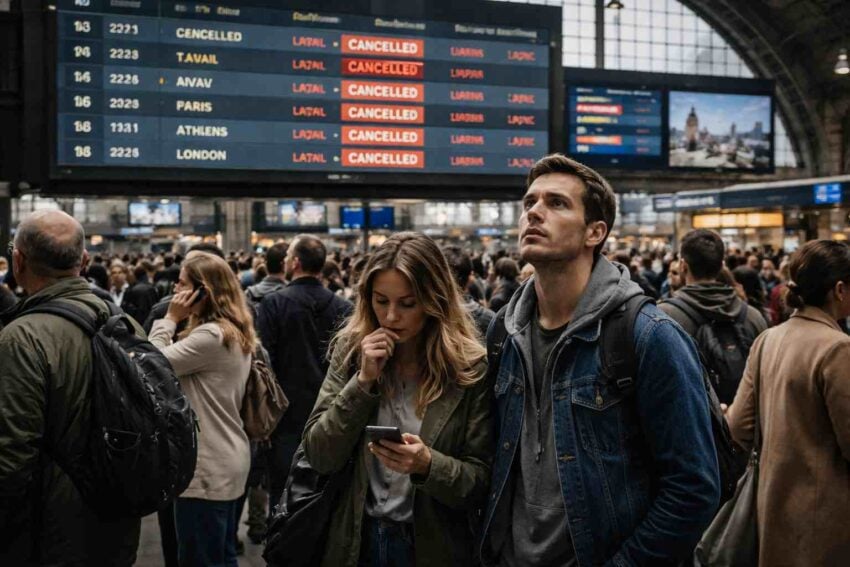
Image generated with Ai
The escalation of the Middle East conflict has triggered global disruptions that stretch far beyond the immediate region. According to various government sources, including Australia’s Smartraveller service, travelers worldwide are facing flight cancellations, airport delays, and airspace closures. While the war’s primary focus remains in the Middle East, its impacts have been keenly felt in Europe, with several popular tourist destinations such as Paris, Berlin, and Bucharest seeing a noticeable decline in tourist numbers.
Governments have issued travel advisories warning against unnecessary travel to areas near the conflict zones. With ongoing missile attacks targeting infrastructure, airports, hotels, and transportation networks, several European countries have closed their airspaces without warning, forcing airlines to adjust their routes. As a result, destinations previously considered safe are now experiencing a ripple effect, with many travelers avoiding them altogether.
Cyprus Under Pressure: Drone Alerts and Travel Warnings
Cyprus, traditionally a favorite among tourists, has found itself under increasing pressure due to its proximity to the conflict zone. The United States State Department raised its travel advisory for the Republic of Cyprus to Level 3, urging U.S. citizens to “Reconsider Travel.” The advisory is based on multiple factors, including the growing threat of armed conflict in the region, limited access to U.S. diplomatic services in the Turkish-controlled part of the island, and heightened risks of terrorism.
Adding to the concern, Britain’s Foreign, Commonwealth & Development Office (FCDO) reported a suspected drone strike at the RAF Akrotiri base on March 2, 2026. This incident further intensified fears about the region’s stability and prompted governments to warn their citizens to stay updated through local media, sign up for official alerts, and reconsider their travel plans. These developments have contributed to a significant decline in tourist arrivals, with many travelers now opting to stay away from the island.
UK and Europe Cancel Flights: Civil Aviation Authority Guidance on Travel Disruptions
In the wake of the Middle East conflict, the United Kingdom’s Civil Aviation Authority (CAA) confirmed that a significant number of flights between the Middle East, Cyprus, and the UK have been canceled. This is largely due to airlines avoiding airspaces that have been identified as high-risk, further exacerbating the travel chaos. The CAA has advised passengers to stay informed by checking travel advisories and contacting their airlines for updates on flight status, rerouting options, or refund policies.
Even travelers not planning to visit the Middle East are now facing disruptions, as many flights have been rerouted through alternative airports. This growing impact of the Middle East conflict on air travel has led to the cancellation of numerous flights, impacting not only those heading to the region but also travelers to other parts of Europe.
Advertisement
Advertisement
Cyprus’ Government Response: Reassuring Travelers
Despite the increasing number of cancellations and the warnings from foreign governments, Cyprus has worked hard to reassure the public and potential tourists that the island is still a safe destination. Cypriot officials have clarified that while drones were intercepted near the British Bases at Akrotiri, the country’s airspace remains operational and has not been affected by the ongoing conflict.
Although some airlines have canceled flights due to airspace closures in other countries, the government has stressed that Cyprus continues to function normally. Cypriot authorities have urged travelers not to spread rumors, emphasizing that the country is fully operational and prepared to handle any security challenges. However, despite these efforts to reassure travelers, the pervasive perception of danger, fueled by official travel advisories, has resulted in a sharp drop in bookings and a general reluctance to visit.
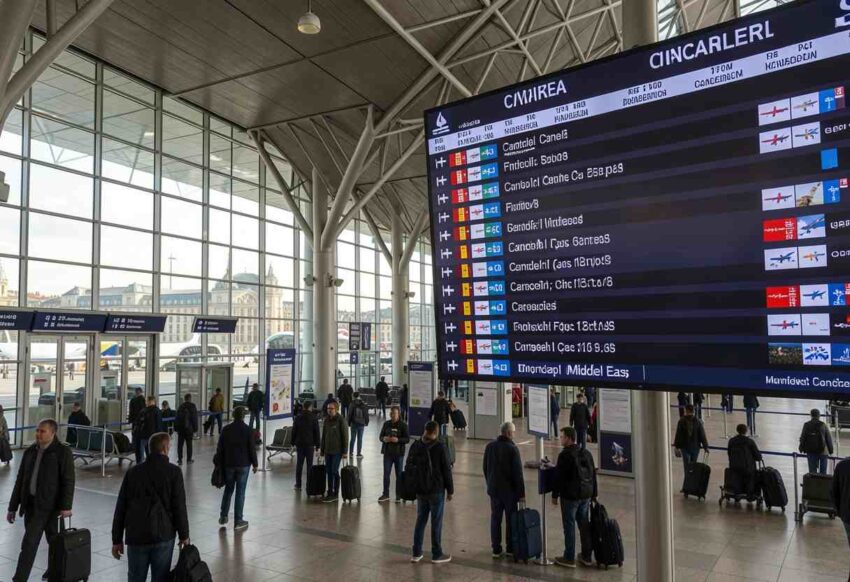
Image generated with Ai
Bulgaria’s Calm: Security Council Sees No Immediate Threat
Bulgaria, in contrast to Cyprus, has taken a much more measured stance regarding the Middle East conflict. The Bulgarian government’s Security Council concluded that there is no direct threat to Bulgaria from the ongoing war. The acting Prime Minister reassured citizens that the country remains safe and that there is no reason for panic. Bulgaria’s U.S. travel advisory remains at Level 1, meaning that travelers should “exercise normal precautions.”
Despite these reassurances from the government, rumors circulating on social media have created a sense of uncertainty among potential tourists. As a result, some visitors have chosen to cancel their trips to Sofia and other Bulgarian cities. The powerful role that public perception plays in tourism has been evident in this case, where fears about the Middle East conflict have led to a decline in bookings, despite no real threat to Bulgaria itself.
Romania’s Proactive Approach: Crisis Cell and Citizen Safety
Romania has responded to the situation with proactive measures aimed at ensuring the safety and security of its citizens. President Nicușor Dan has emphasized that Romania is completely safe and not directly threatened by the conflict. He has urged citizens to remain calm and follow the guidance of local and national authorities. Prime Minister Ilie Bolojan has echoed these sentiments, adding that Romania’s emergency plans are in place and that consular staff are ready to assist citizens if necessary.
Additionally, Romania has urged Romanians in the Middle East to avoid non-essential travel and to register with embassies for assistance. Despite the government’s proactive stance, however, the fear generated by the escalating conflict has led to a noticeable decline in tourism, with fewer travelers booking trips to Bucharest. The growing perception of danger, fueled by sensationalized news and social media rumors, has had a significant impact on the country’s tourism industry.
European Solidarity: EU Repatriation Flights
In response to the crisis, the European Union has launched a major repatriation operation to ensure the safe return of its citizens from the Middle East. On March 16, 2026, an EU-funded flight arrived in Bucharest, bringing 134 European citizens, including 96 Romanians, back to safety. This flight was one of nearly 90 evacuation flights supported by the EU’s Emergency Response Coordination Centre since late February.
In total, these efforts have helped more than 11,000 Europeans return home, highlighting the EU’s commitment to the safety of its citizens during times of crisis. This powerful demonstration of solidarity has reassured many but also contributed to the perception that the situation in the Middle East is unstable, further impacting tourism to Europe.
Germany’s Response: Foreign Office FAQs and Special Flights
Germany’s Foreign Office has issued comprehensive guidelines for its citizens who are currently in the Middle East. Citizens are encouraged to register with the ELEFAND crisis-preparation list, ensuring that they can be reached and assisted if necessary. The German government has also arranged special flights for vulnerable citizens, including pregnant women, children, the elderly, and those with chronic illnesses. These flights were organized to ensure the safe return of especially vulnerable Germans and their close relatives.
Germany’s efforts to protect its citizens and keep them informed during the crisis highlight the country’s commitment to ensuring their safety. However, despite these proactive measures, disruptions caused by the conflict have led to a decline in tourism, with many travelers choosing to cancel or postpone their trips.
Berlin Airport Chaos: Middle‑East Flights Canceled
Berlin Brandenburg Airport has been one of the hardest-hit airports in Europe, with many scheduled flights between Berlin and the Middle East canceled in March 2026. According to airport officials, 20 out of 24 scheduled flights were canceled, and more cancellations are expected. This has caused significant inconvenience for travelers and created a sense of instability in Berlin, despite the U.S. travel advisory for Germany remaining at Level 2.
The cancellations have contributed to growing concerns about the safety of travel in Berlin, and many tourists are avoiding the city, even though the situation is not as severe as in the Middle East. The perception of danger, fueled by the media and social media rumors, has taken a toll on Berlin’s tourism industry.
Air Traffic Plunge: Eurocontrol Data Shows 52% Drop in Flights
Official aviation data from Eurocontrol highlights the scale of the disruption caused by the Middle East conflict. According to the European air traffic network overview for March 2026, there has been a significant decline in air traffic between Europe and the Middle East, with a 52% drop in flights compared to the same week in 2025. This decline has been caused by airspace closures, higher fuel prices, and reduced passenger capacity between European cities and the Middle East. These disruptions have contributed to the avoidance of key European hubs such as Paris, Berlin, and other major cities, which has further impacted tourism.
Image generated with Ai
France and Germany: Travel Warnings Remain Unchanged
Despite the ongoing conflict, the U.S. State Department has not issued any new travel warnings for France or Germany. For France, the U.S. advisory remains at Level 2, advising travelers to exercise caution due to the ongoing threat of terrorism. Similarly, Germany’s advisory remains at Level 2, urging caution due to the ongoing risk of terrorism in the region.
Even though the official warnings for these countries have not changed, the public’s perception of the Middle East conflict has caused a noticeable decline in tourism to both France and Germany. The fear created by sensational headlines and rumors has had a significant impact on tourist bookings, leading travelers to avoid these destinations despite the lack of official guidance to do so.
Romania and Bulgaria: U.S. Travel Advisories Remain Level 1
The U.S. Department of State continues to rate Romania and Bulgaria at Level 1, advising travelers to exercise normal precautions. Neither country has been directly affected by the Middle East conflict, and both governments have assured their citizens that there is no immediate threat. However, the powerful narrative of fear generated by the ongoing conflict has led to a decline in bookings for both Sofia and Bucharest, even though both destinations remain safe.
Middle East Travel Bans: Do‑Not‑Travel Countries
While European destinations like Cyprus, Bulgaria, France, Germany, and Romania have not been placed on “Do Not Travel” lists, many Middle Eastern countries have been. These include Bahrain, Iran, Iraq, Israel, Lebanon, Qatar, Syria, the UAE, and Yemen. Governments such as Australia’s Smartraveller have advised travelers to avoid these high-risk areas due to the ongoing conflict.
Despite official warnings targeting specific Middle Eastern countries, the broader perception of risk has caused travelers to avoid parts of Europe, illustrating how fear and perception can shape travel decisions.
Safety Tips for Travelers: Stay Informed and Confirm Flights
Travelers are encouraged to stay informed and follow official travel advisories to navigate the ongoing disruptions. Smartraveller advises travelers to check their destination’s travel advisories, contact airlines for updates on flight status, and avoid canceling trips without professional guidance. Travel insurance should also be reviewed to ensure it covers delays, cancellations, and changes to advisory levels. By staying proactive and following official advice, travelers can still safely visit European destinations during these turbulent times.
Conclusion: Navigating Travel in Turbulent Times
The Middle East conflict has created a powerful ripple effect on European tourism. Although Cyprus, Bulgaria, France, Germany, and Romania are not directly affected by the conflict, the fear generated by the ongoing situation has caused many travelers to cancel their trips. Official advisories, flight disruptions, and media reports have fueled the perception of danger, even though these destinations are not officially labeled as unsafe. By following government advice and staying informed, travelers can continue to visit these destinations safely, despite the challenges posed by the current global situation.
