
Published on
March 21, 2026
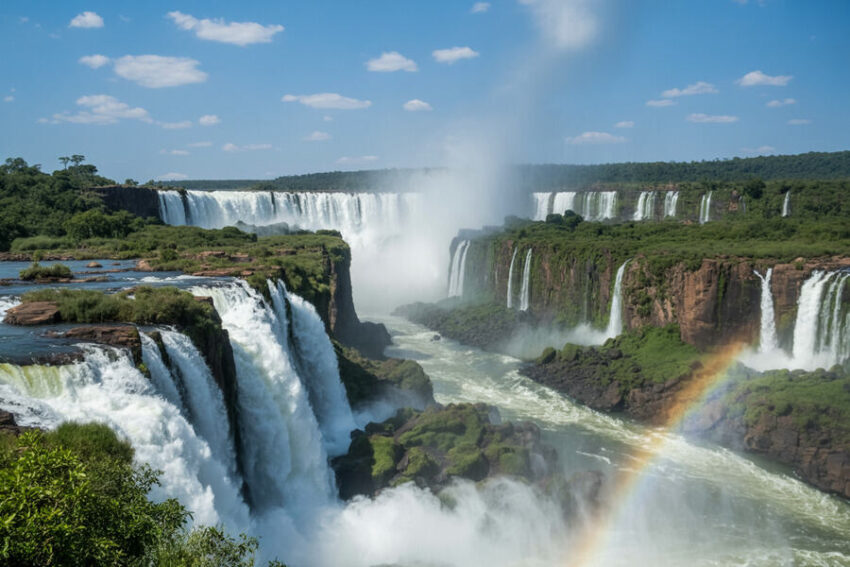
Image generated with Ai
Brazil has overtaken Canada, Mexico, Italy, the United States, Poland, Spain, and more countries in boosting tourism growth with record-breaking arrivals, thanks to its strategic focus on luxury, adventure, and eco-tourism. The country’s remarkable rise in the global tourism rankings is driven by aggressive marketing, expanded air connectivity, and a diverse offering of natural wonders, cultural experiences, and sustainable travel. As traditional tourism giants face stagnation or decline, Brazil’s ability to attract international visitors from emerging markets has positioned it as a leading destination for travelers worldwide.
In a monumental shift in the global tourism landscape, Brazil has taken the tourism world by storm, surpassing major travel giants such as Canada, Mexico, Italy, the United States, Poland, and Spain. With record-breaking arrivals and a strategic growth plan, Brazil has positioned itself as a leading destination of choice for international travelers. As the world slowly recovers from the COVID-19 pandemic, Brazil’s remarkable performance demonstrates a stunning growth story that has outpaced even some of the most renowned names in global tourism.
This article takes a closer look at Brazil’s meteoric rise, comparing it to traditional tourism heavyweights, and uncovering why the country is now one of the world’s premier travel destinations.
Brazil’s Tourism Explosion: A Phenomenal Growth Story
Brazil’s tourism sector is on fire, registering an astonishing 13% increase in international tourist arrivals in the past year alone. According to Brazil’s Ministry of Tourism, the country has welcomed over 50 million visitors, a number previously only seen in top global destinations like the United States and France. With its strong appeal as a diverse destination, Brazil is rapidly emerging as the top travel choice for luxury travelers, adventure enthusiasts, eco-tourists, and cultural explorers.
Key Factors Driving Brazil’s Success
Several factors have contributed to Brazil’s impressive growth trajectory:
- Strategic Marketing and Targeted Campaigns: Brazil has aggressively marketed itself to high-spending international tourists, especially those coming from the Middle East, Europe, and Asia.
- Luxury and Eco-Tourism Investments: Massive investments in luxury resorts, eco-tourism lodges, and sustainable travel initiatives have catered to travelers seeking both adventure and comfort.
- Expanded Air Connectivity: Brazil has developed more direct flight routes, connecting with major international hubs, making it more accessible to tourists from key markets.
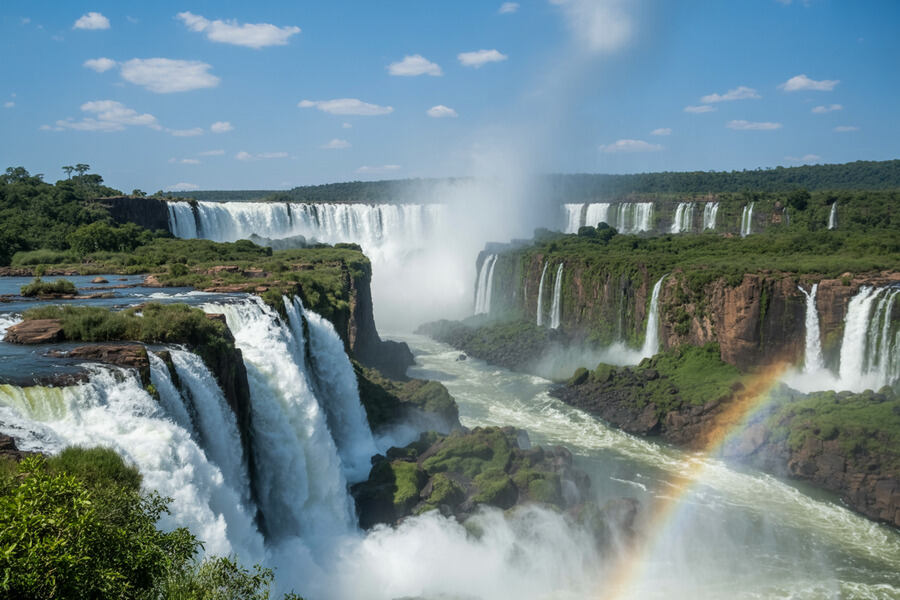
- Natural and Cultural Diversity: From the Amazon rainforest to Iguaçu Falls, Brazil’s diverse landscapes combined with rich cultural experiences, such as Carnival, have made it a unique, all-encompassing destination.
Now, let’s explore how Brazil’s performance in 2025 has compared to key countries in the Americas and Europe.
Advertisement
Advertisement
Mexico: A Regional Rival Facing Stiff Competition
Mexico has long been a dominant force in North American tourism. It has consistently attracted over 50 million visitors annually, thanks to its pristine beaches, historical landmarks, and vibrant cultural heritage. However, in 2025, Brazil’s growth has started to outshine Mexico’s tourism dominance, particularly among luxury travelers and eco-tourism seekers.
While Mexico’s beaches like Cancún and Los Cabos remain popular, Brazil’s expansion into eco-tourism — including the Amazon Rainforest and Pantanal wetlands — has provided a broader and more diverse array of travel experiences. Brazil’s tourism marketing efforts have allowed the country to attract more international visitors seeking off-the-beaten-path adventures, which Mexico has struggled to diversify beyond its popular tourist resorts.
Mexico is still a leader in North American tourism, but Brazil is aggressively chipping away at its market share by promoting its luxury beach resorts and wildlife experiences to attract high-spending tourists from Middle Eastern and Asian markets.
Canada: Struggling to Keep Up with Brazil’s Growth
Canada’s tourism performance has been lackluster in comparison. Despite Canada being a year-round favorite for nature lovers and city dwellers alike, its international tourism numbers have stagnated in recent years. In 2025, the country recorded a modest increase in tourist arrivals — but nothing compared to Brazil’s explosive growth.
While Canada continues to attract visitors with its world-class national parks and urban attractions like Toronto and Vancouver, it has faced challenges in enticing tourists beyond its traditional source markets. With visa restrictions and higher travel costs, Canada’s appeal has been eroded by more affordable, accessible, and diverse destinations like Brazil.
Brazil has capitalized on its luxury offerings and eco-tourism experiences, especially in the Amazon and Pantanal, to lure tourists from regions where Canada was once the dominant choice. As Brazil increases air connectivity and targeted promotions, Canada risks losing ground to its Brazilian rival, particularly among high-spending travelers and long-haul tourists.
Italy: Facing Challenges from Brazil’s Tourism Diversity
Italy remains a top-tier European destination, but Brazil is gradually overtaking it in terms of growth, especially as travelers seek new experiences in the post-pandemic world. While Italy continues to attract millions to its historical landmarks, art cities, and beaches, overcrowding and environmental concerns have tarnished its appeal.
Brazil, with its eco-friendly resorts, rainforest experiences, and cultural diversity, has captured the attention of the modern traveler. The country’s ability to provide authentic, unique, and sustainable travel experiences has made it a rising competitor for travelers who want to explore destinations beyond the familiar tourist paths of Italy’s most famous cities.
Brazil’s growing reputation as a cultural tourism and eco-tourism powerhouse puts it on par with Italy’s historical and cultural offerings — with a much more environmentally conscious approach. As luxury tourism flourishes in Brazil, it is pulling market share from Italy’s long-held dominance in Mediterranean tourism.
United States: Struggling with Declining Visitor Numbers
For years, the United States has been the world’s top tourism destination, but recent years have shown a decline in international arrivals. In 2025, the US tourism sector reported stagnation, with visa issues, political instability, and rising travel costs contributing to the decline in visitors. The US government’s stringent visa policies and increasing concerns about safety and political climate have pushed travelers toward destinations that offer more welcoming, affordable, and unique experiences.
Brazil, in comparison, has created a diverse tourism offering, from luxury beach resorts to sustainable eco-tourism — an attractive option for travelers who were once drawn to the United States. Brazil’s open visa policies and growing international appeal make it a stronger alternative for tourists who might otherwise have visited the US.
Poland and Spain: Traditional European Players Losing Ground to Brazil
While both Poland and Spain continue to see growth in regional tourism, neither has fully capitalized on the growing interest in long-haul tourism. Poland, with its charming cities like Kraków and Warsaw, remains a popular destination for European visitors, but it lags behind Brazil in attracting travelers from outside Europe.
Spain, once a favorite among tourists, is grappling with overtourism and environmental issues in its most famous cities. While Barcelona and Madrid remain popular, Brazil’s appeal as an eco-friendly, sustainable destination is drawing tourists away from Spain’s increasingly overcrowded spots.
Why Brazil Has Overtaken Traditional Tourism Leaders1. Unmatched Natural Beauty and Ecotourism
Brazil’s natural wonders, including the Amazon Rainforest, Iguaçu Falls, and Pantanal wetlands, offer tourists experiences that cannot be found anywhere else in the world. These protected areas have become eco-tourism magnets, attracting travelers from around the world who are looking to explore the untouched and undisturbed beauty of nature.
2. A Diverse Offering for All Types of Travelers
Brazil’s tourism sector caters to all types of travelers — from adventure seekers who want to explore the depths of the Amazon to luxury travelers who seek exclusive resorts along Brazil’s beaches. The country has successfully combined nature, culture, and luxury, creating a destination that appeals to both the high-end market and backpackers alike.
3. Sustainable Travel Focus
Brazil has embraced sustainable tourism, working with local communities to ensure that its tourism sector benefits both visitors and the environment. Travelers today are increasingly looking for eco-friendly destinations, and Brazil’s efforts to protect its rainforests and promote green tourism make it an attractive option for eco-conscious travelers.
The Future of Brazil’s Tourism Industry
Looking ahead, Brazil’s tourism growth shows no signs of slowing down. The country is set to continue expanding its tourism offerings, targeting new markets, and improving infrastructure to accommodate the increasing number of international visitors. With its diverse landscapes, luxury offerings, and commitment to sustainability, Brazil is set to maintain its dominance as a leading global destination.
As Mexico, Canada, Italy, and the United States struggle with various challenges in their tourism sectors, Brazil’s strategic investments in air connectivity, luxury tourism, and cultural experiences position it to remain a top player in global tourism for years to come.
Brazil has overtaken Canada, Mexico, Italy, the United States, Poland, Spain, and more countries in boosting tourism growth with record-breaking arrivals, thanks to its diverse attractions, luxury offerings, and sustainable tourism initiatives. This surge is a result of strategic marketing and enhanced global connectivity that have positioned Brazil as a top choice for international travelers.
Brazil’s rise to the top is a testament to the power of innovation, diversification, and sustainability. With its breathtaking landscapes, vibrant cities, and eco-friendly tourism model, Brazil is leading the way into the future of tourism.
