
Published on
March 21, 2026
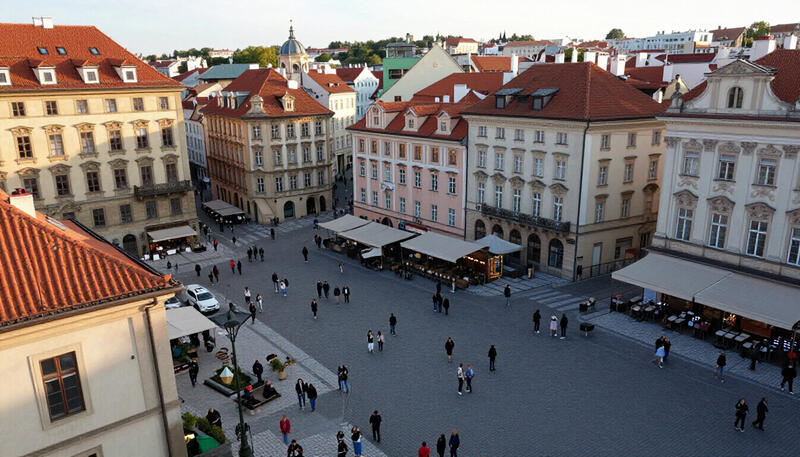
Image generated with Ai
Italy Joins Spain and Romania in introducing stricter tourist tax regulations as European cities tackle overcrowding, protect local heritage, and secure funds for infrastructure development in 2026. In response to rising visitor numbers and the strain on public services, these countries are implementing new measures to ensure sustainable tourism. The increased taxes aim to reduce congestion, safeguard cultural landmarks, and provide much-needed funding for infrastructure improvements. With cities like Barcelona, Venice, and Bucharest facing challenges from mass tourism, these changes reflect a broader European effort to balance tourism growth with preservation, ensuring that future generations can enjoy these iconic destinations without compromising the quality of life for locals.
The year 2026 marks a pivotal moment in the way European cities are handling the surge in tourism. Faced with rising numbers of visitors, concerns over overcrowding, and the pressure on local infrastructure and cultural heritage, several European countries have decided to implement stricter tourist tax regulations. Italy, Spain, and Romania are leading the charge, introducing new fees and increasing existing ones, aiming to tackle these challenges and secure funds for sustainable tourism development.
Spain: Barcelona Takes Major Steps to Combat Overtourism and Protect Historic Sites
In Spain, Barcelona has become one of the focal points for increased tourist taxes. The city is not only one of the most visited tourist destinations in Europe but has also seen a surge in complaints from locals regarding overcrowding, rising housing costs, and the impact of mass tourism on their day-to-day lives. To address these concerns, the government has introduced new measures aimed at limiting the pressure on the city’s infrastructure and public services.
As of 2026, Barcelona has raised its tourist levy significantly. Visitors staying in hotels will now pay up to €15 per night, depending on the type of accommodation they choose, which is an increase from the previous €12.50 per night. This increase in fees is designed to fund the restoration of historic sites and enhance public infrastructure. The city’s authorities hope the funds generated will improve the quality of life for residents and provide better services for tourists, including the preservation of Gaudi’s Sagrada Familia and other heritage sites under pressure from mass tourism.
Additionally, the city is moving forward with its plan to ban short-term rental accommodations by 2028. This is a direct response to residents’ concerns about the housing market, where rental prices have soared due to the large number of tourists staying in these types of accommodations.
In addition to the overnight taxes, Barcelona has also made plans to introduce a day-trip entry fee for visitors who only visit for the day. These fees are set to apply to tourists entering the city’s historic center, with a particular focus on peak times in the spring and summer months. Authorities hope that these new measures will help spread visitors more evenly across the city and reduce the congestion in highly trafficked areas.
Advertisement
Advertisement
Romania: Bucharest Introduces Flat Tourist Tax to Simplify the System
In Romania, the capital city Bucharest is also taking steps to regulate the influx of tourists and ease the burden on its public services. Starting in 2026, the Romanian government has implemented a flat tourist tax of 10 Romanian lei (roughly £1.70) per night, applicable to all visitors, regardless of the type or cost of their accommodation. This flat rate simplifies the process of collecting tourist fees and ensures that everyone visiting the city contributes to the costs associated with maintaining infrastructure and services.
The funds raised from this tax will be used to improve tourism-related infrastructure, including transportation and public services, as well as to safeguard Bucharest’s historic landmarks. With Bucharest’s rapidly growing popularity as a tourist destination, particularly in Eastern Europe, this new measure is expected to play a crucial role in ensuring that the city can handle the increasing number of tourists while continuing to preserve its unique cultural heritage.
Critics of the tax have pointed out that the flat rate may disproportionately affect budget-conscious travelers, as the same charge applies to those staying in both luxury hotels and budget accommodations. However, proponents argue that this simplified tax system will bring much-needed revenue to the city and make tourism more sustainable in the long run.
Italy: Venice Expands Tourist Fees to Address Overtourism and Protect the City’s Historic Center
Italy, particularly Venice, has long been at the forefront of debates surrounding overtourism. The city has long struggled with overcrowding, particularly during peak tourist seasons, leading to environmental degradation, strain on public services, and the deterioration of Venice’s historic center. To address these concerns, Venice has introduced several new taxes and fees aimed at controlling the flow of visitors and ensuring the preservation of the city’s iconic landmarks.
In addition to the overnight accommodation tax, Venice is expanding its controversial day-trip entry fee system. This new fee applies to tourists entering the city’s historic center during peak hours, from 8:30 AM to 4:00 PM, specifically on weekends and during the busy tourist months of April to July. The fees for day-trippers will be collected directly at the city’s main entrances, which have been heavily congested with tourists over the years.
The day-trip fee is designed to discourage short visits during peak times, which have contributed to overcrowding and have made it difficult for local residents to go about their daily lives. With the introduction of this entry fee, Venice authorities aim to limit the number of visitors during the most crowded hours, ensuring that the city remains a livable place for its residents while preserving the integrity of its historic center.
Venice’s government has also announced plans to introduce booking systems for visitors, allowing the city to better control the number of people entering its historical areas at any given time. The goal is to balance the needs of the local community with the demands of tourism and ensure that future generations can enjoy Venice’s beauty.
The Bigger Picture: Why Are These Changes Necessary Across Europe?
These new tourist taxes and increased fees across Italy, Spain, and Romania reflect a larger trend in Europe as cities and governments respond to the pressures of mass tourism. While tourism has long been a key economic driver in many European countries, cities are now recognizing that sustainable tourism practices are crucial for preserving their unique cultural heritage, natural landscapes, and the quality of life for local residents.
The surge in international travel, spurred by affordable flights, increasing disposable income, and a growing interest in experiencing different cultures, has placed significant strain on many of Europe’s most popular tourist destinations. Cities like Barcelona, Venice, and Bucharest are now taking proactive steps to manage these growing numbers and ensure that the benefits of tourism are distributed fairly, while also protecting their local environments.
Moreover, the funds generated by these tourist taxes are intended to support vital public services, infrastructure upgrades, and heritage preservation projects. For example, in Venice, the funds will help finance efforts to protect the city from rising sea levels, while in Barcelona, they will go toward restoring historic landmarks like La Sagrada Familia. These measures are seen as an investment in the long-term future of the cities, ensuring that they can continue to attract visitors while maintaining their charm and cultural significance.
Challenges and Criticism: The Potential Impact on Travelers
While these new taxes and fees are generally viewed as necessary for sustainable tourism, they have also faced criticism, particularly from budget-conscious travelers. Many fear that the rising costs will make city breaks in popular European destinations even more expensive, especially for families or long-term visitors. The overcrowding caused by mass tourism is a well-documented issue, but critics argue that tourist taxes may unfairly burden travelers without adequately addressing the underlying causes of the problem.
Some argue that tourist taxes may disproportionately affect those staying in more affordable accommodations, while wealthier visitors staying in high-end hotels might not feel the impact as severely. This raises questions about the fairness of such taxes and whether they truly address the core issues of overcrowding and unsustainable tourism.
Despite the criticisms, the measures being introduced in Italy, Spain, and Romania are part of a broader European effort to make tourism more sustainable and responsible. By introducing these taxes, cities hope to balance the economic benefits of tourism with the need to protect their unique cultural and environmental assets for future generations.
The introduction of stricter tourist taxes in Italy, Spain, and Romania signals the beginning of a new era for European tourism. As cities continue to grapple with the challenges of overtourism, the need for sustainable and responsible travel practices has never been more urgent. These measures, while not without their challenges, are essential steps toward protecting Europe’s rich cultural heritage, improving public services, and ensuring that tourism remains a force for good in the long term.
Italy joins Spain and Romania in introducing stricter tourist tax regulations in 2026 as European cities address overcrowding, protect cultural heritage, and secure funds for infrastructure development. These measures aim to manage tourism growth while preserving local landmarks and improving public services.
For travelers, it is essential to understand that these changes are designed to preserve the very places they love to visit. As the tourism landscape continues to evolve, cities across Europe will continue to implement strategies that aim to strike a balance between welcoming tourists and safeguarding the future of their communities and heritage.
