
Published on
March 22, 2026
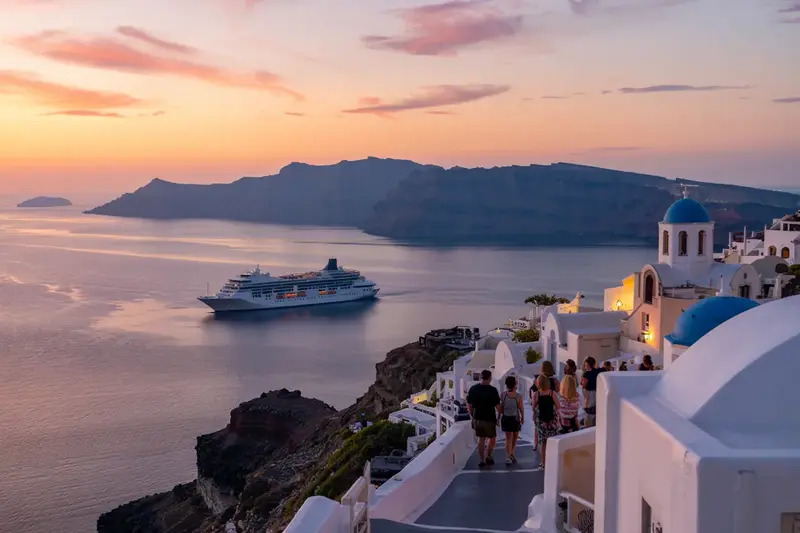
Image generated with Ai
France joins Italy, Spain, the Netherlands, Croatia, Greece, Japan, and other major destinations in cracking down on overtourism through a series of impactful measures in 2026. These countries are introducing cruise and tourist levies, tight regulations, and new fees to manage overcrowding and reduce the strain on local infrastructure, heritage sites, and natural environments. With tourism reaching unsustainable levels, these actions aim to balance the economic benefits of travel with the need to preserve the charm and accessibility of these iconic locations, ensuring a sustainable future for both residents and visitors.
In 2026, overtourism has officially become a serious issue across major global destinations, compelling governments to take more aggressive action to protect local communities, heritage sites, and ecosystems. Countries like France, Italy, Spain, the Netherlands, Croatia, Greece, Japan, and others have introduced strict regulations, hefty fees, and tourism levies to curb the negative effects of mass tourism. These measures, ranging from cruise caps to rental restrictions, are reshaping the travel landscape for both residents and visitors. Below is a detailed look at how these countries are combating overtourism and what travelers need to know.
Spain: Crackdown on Short-Term Rentals and Overcrowding
Spain has long been at the center of Europe’s overtourism issue. Popular destinations such as Barcelona, Ibiza, and Mallorca have faced significant pressure from overcrowded streets, overrun heritage sites, and rising housing costs driven by illegal short-term rentals. To address these issues, the Spanish government has implemented a series of measures aimed at curbing the rise of unregulated holiday lets.
- Short-term rental restrictions: Over 65,000 illegal listings have been removed from platforms like Airbnb, with an additional 54,000 listings flagged for lacking an official license number.
- Housing control: The crackdown on illegal rentals has led to a reduction in short-term rentals, particularly in areas like Ibiza, where the number of rentals dropped significantly in 2025.
While Spain remains open to tourists, the era of unregulated tourism is ending, and 2026 visitors will find stricter rules in place across many of the country’s top destinations. This approach aims to balance tourism growth with the quality of life for residents, making Spain a model for responsible tourism management.
Advertisement
Advertisement
Italy: Venice Charges for Access
Italy has been another stronghold in the fight against overtourism. In Venice, one of the world’s most iconic cities, the pressure of mass tourism has led authorities to impose access fees for tourists. Starting in April 2026, Venice will charge a fee for entry on selected high-traffic days, marking a significant shift in how Italy views tourism.
- Venice Access Fee: The entry fee is designed to curb day-tripper congestion, particularly during peak seasons. By introducing this measure, Venice is sending a clear message: spontaneous tourism is no longer free, and there will be a cost to visit at busy times.
This initiative reflects Italy’s broader strategy to control the flow of tourists to the country’s most beloved landmarks, ensuring that tourism does not overwhelm the local population or cultural heritage. Other cities in Italy are likely to follow suit as the country continues to seek a balance between tourism income and sustainable visitation.
Advertisement
Advertisement
Greece: Cruise Levies and Capacity Limits
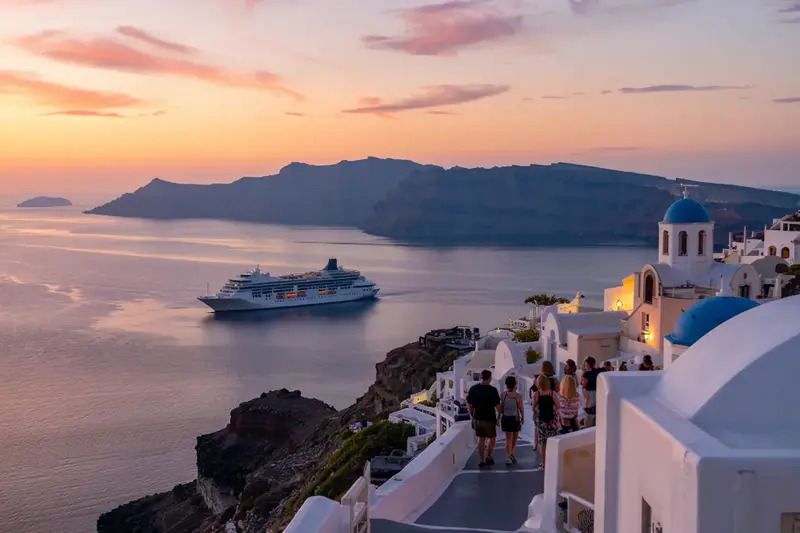
Greece, particularly its island destinations like Santorini and Mykonos, has long struggled with cruise tourism’s impact. To manage the crowds and ensure a more sustainable visitor experience, Greece has introduced new measures, including a cruise levy and limits on how many ships can dock at the same time.
- Cruise Passenger Levy: Starting in 2026, passengers visiting popular islands will have to pay a 20-euro levy, especially during the peak summer months. This fee will help fund infrastructure improvements and support sustainable tourism initiatives.
- Cruise Ship Capacity Limits: Regulations will also limit the number of cruise ships allowed to dock simultaneously, preventing overcrowding in key locations.
These steps are part of Greece’s broader strategy to protect its delicate islands from the environmental and social impacts of overtourism. With cruise tourism playing a major role in the country’s visitor numbers, these new policies are expected to ease the pressure on some of the busiest islands.
Advertisement
Advertisement
The Netherlands (Amsterdam): Tightening Tourist Rentals
Amsterdam, a city already known for its vibrant culture and historic canals, is tightening the reins on its tourism sector. The city has implemented several new measures to address the growing concerns over short-term rentals, noise, and tourism-driven gentrification.
- Hotel and Rental Restrictions: Amsterdam has imposed a ban on new tourist shops and new hotel constructions unless they replace existing buildings with no increase in bed capacity. Additionally, there will be restrictions on short-term rentals, limiting them to just 15 nights per year in certain central neighborhoods starting in April 2026.
This is part of Amsterdam’s effort to manage the city’s rapid growth in tourism while preserving the local housing market and quality of life for residents. Visitors in 2026 will likely find fewer available rentals in the city center, as the government continues to regulate the market.
Japan: Mount Fuji Climbing Restrictions
Japan has become a major destination for international tourists, with 42.7 million visitors in 2025 alone. While the country welcomes large numbers of tourists, it has become increasingly clear that certain locations are feeling the strain. Mount Fuji, one of Japan’s most iconic natural landmarks, has been a focal point of this issue.
- Climbing Fees and Regulations: To manage the growing number of climbers, Japan has introduced a 4,000 yen fee for climbers of Mount Fuji. Additionally, entry restrictions have been put in place, including a 2 p.m. cutoff for climbers without hut reservations.
- Reservation Process: Tourists are now required to make a reservation to climb the mountain, ensuring that only a limited number of climbers are allowed at any given time.
These measures aim to preserve the natural beauty of Mount Fuji and ensure that the mountain remains accessible and safe for all visitors. Japan’s broader strategy involves managing the flow of tourists to key destinations while continuing to promote sustainable tourism practices.
Indonesia (Bali): Tourist Levy and Behavior Guidelines
Bali has been facing significant challenges from overtourism in recent years, particularly regarding the behavior of some foreign visitors. To address these issues, Indonesia has introduced a tourism levy and behavioral guidelines for tourists visiting Bali.
- Tourist Levy: A new levy of Rp 150,000 (roughly $10) has been implemented for all foreign tourists visiting Bali. This levy is aimed at supporting sustainable tourism initiatives and mitigating the negative effects of mass tourism.
- Behavioral Guidelines: Visitors to Bali are now required to follow specific cultural and legal guidelines during their stay, promoting respect for local customs and reducing instances of inappropriate behavior.
These measures are a clear indication that Bali is serious about managing its tourism industry and ensuring that future visitors enjoy the island’s beauty while respecting local traditions and minimizing environmental impact.
Croatia: Regulating Short-Term Rentals
Croatia, particularly along its picturesque coastline, has seen a significant rise in short-term rentals, often at the expense of long-term housing for locals. To combat this trend, the Croatian government has introduced new regulations to limit short-term tourist rentals.
- Rental Restrictions: Dubrovnik, one of Croatia’s most popular destinations, has already moved to restrict new private rental permits in its historic Old Town. Additionally, new laws will raise taxes on rental properties and make it easier for authorities to track unregistered listings.
- Long-Term Housing Protection: The new laws also aim to protect long-term residential housing by curbing the rise of short-term rentals and preserving local communities.
These measures are part of Croatia’s ongoing effort to balance tourism’s economic benefits with the need to protect housing for locals. In 2026, travelers visiting Croatia will likely encounter stricter rental policies in key tourist areas.
Peru: Machu Picchu Visitor Limits
Peru’s most famous tourist destination, Machu Picchu, has long been a symbol of the challenges posed by overtourism. To manage the site’s preservation, Peru has introduced strict visitor limits and a revised ticketing system.
- Visitor Caps: Machu Picchu now has a daily visitor limit, with a maximum of 5,600 visitors allowed during high season. This measure ensures that the site remains protected from the environmental and physical impacts of overcrowding.
- New Ticketing System: A variable-capacity strategy has been implemented, with tickets being allocated for specific circuits to reduce congestion and ensure a smooth visitor experience.
These efforts aim to preserve Machu Picchu for future generations while still allowing tourists to experience its beauty in a sustainable manner.
France: Cannes Imposes Cruise Passenger Caps
France’s famous Riviera city, Cannes, is also addressing overtourism through new cruise passenger restrictions. Starting in 2026, Cannes will limit the number of cruise passengers disembarking each day to no more than 6,000. Larger cruise ships will be required to anchor offshore, and passengers will be ferried into the city by smaller vessels.
- Cruise Passenger Restrictions: The new caps on daily cruise passengers are aimed at reducing the physical and environmental strain on the city caused by large-scale cruise tourism.
By implementing these regulations, France is signaling that it is taking the environmental and social impact of mass tourism seriously, especially in its most famous coastal destinations.
In 2026, France joins Italy, Spain, the Netherlands, Croatia, Greece, Japan, and others in tackling overtourism by implementing cruise and tourist levies, strict regulations, and new fees. These measures aim to reduce overcrowding, preserve cultural sites, and promote sustainable tourism in popular destinations.
In 2026, overtourism is no longer a distant concern; it is a tangible issue that governments across the globe are addressing head-on. From Spain’s crackdown on short-term rentals to France’s cruise passenger limits, these measures are shaping the future of travel in some of the world’s most iconic destinations. For travelers, this means navigating a landscape where the experience of visiting popular spots may require more planning and adherence to new rules. As tourism continues to evolve, these countries are setting an example for responsible and sustainable travel.
