
Published on
March 22, 2026
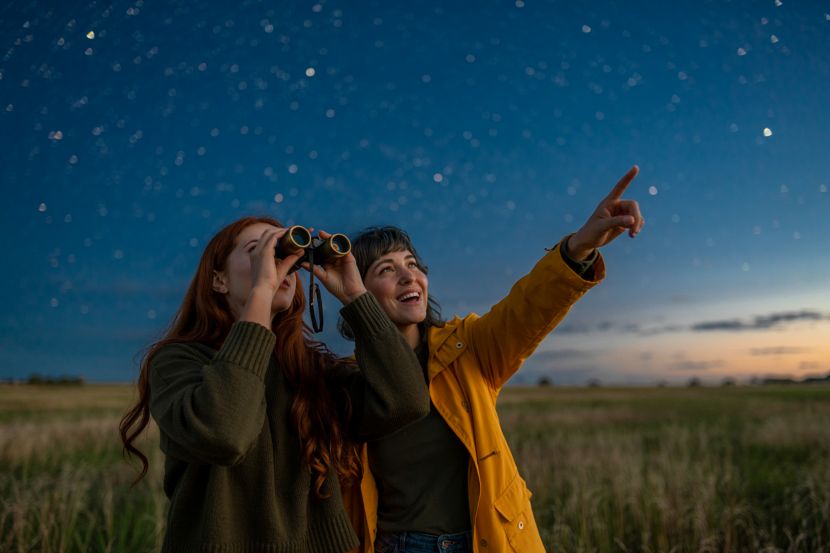
Image generated with Ai
The highly anticipated Total Solar Eclipse on 12 August 2026 promises to be a spectacle of cosmic wonder, drawing global travelers and astronomy enthusiasts to regions in the path of totality. For the first time in years, this awe-inspiring event will be visible across parts of Iceland, Greenland, Spain, and Portugal, making it an unmissable experience for both seasoned eclipse chasers and curious tourists. But what makes this event so special, and how can travelers make the most of it? Let’s dive into all the essential details.
A Total Solar Eclipse: What’s Happening in the Sky
A total solar eclipse occurs when the Moon completely obscures the Sun from the perspective of Earth, plunging parts of our planet into temporary darkness. This phenomenon happens only when the Sun, Moon, and Earth are perfectly aligned. As the Moon passes between the Sun and Earth, it casts a shadow on Earth, and the areas within the path of totality will experience full eclipse, where the daytime sky turns to night.
On 12 August 2026, the path of totality will pass through Greenland, Iceland, and Northern Spain, with the duration of totality ranging from 1 minute to 2 minutes at different locations. For travelers in these regions, this will be a rare opportunity to witness the Sun’s corona, the outermost layer of the Sun’s atmosphere, shining brightly as a radiant halo around the darkened disk of the Moon.
Details of the 12 August 2026 Total Solar Eclipse
Where Will the Eclipse Be Visible?
This total solar eclipse will be seen in Greenland, Iceland, Northern Spain, and Portugal. The event will begin in the early afternoon and reach its maximum eclipse just before sunset in some regions. Travelers in these countries will enjoy the most dramatic views of the eclipse.
Iceland will be one of the top destinations for eclipse observers. Cities like Reykjavík and Snaefellsnes Peninsula are perfectly positioned in the path of totality, offering clear skies and excellent infrastructure for tourists. As the Moon fully blocks the Sun in Iceland, observers will have the chance to experience one of the most memorable natural phenomena on Earth.
In Spain, the path of totality will sweep across the northern regions, including Bilbao, La Rioja, and parts of Catalonia. Travelers here will witness the eerie twilight as the Sun is obscured for a couple of minutes. Portugal will experience a partial eclipse, though its viewing time will be shorter.
Advertisement
Advertisement
Greenland, being one of the least populated areas on Earth, promises a serene and unspoiled environment for eclipse viewing. However, for those planning to travel to Greenland, it’s important to remember that remote locations may require careful planning due to limited accessibility.
Why This Eclipse Is Special for Travelers
This eclipse is unique for several reasons. First, Iceland, Spain, and Greenland will have totality — a moment when the Sun is entirely covered by the Moon, and only the Sun’s corona is visible, creating a surreal, dark sky effect. This event is the first total solar eclipse visible in Europe since 1999, making it a highly sought-after occasion.
Advertisement
Advertisement
Astronomers and enthusiasts from around the world are already planning trips to experience the total eclipse. Those traveling to Iceland and Spain will not only witness this stunning natural occurrence but also get the chance to enjoy the rich culture, history, and landscapes these destinations offer.
Tips for Travelers Planning to Witness the Eclipse
For those eager to catch this celestial show, here are a few key tips to ensure a safe and unforgettable experience:
- Book Accommodations Early: Since eclipse events attract many visitors, it’s crucial to book your stay well in advance. Popular cities in the path of totality, like Reykjavík and Bilbao, will likely see a surge in demand for hotels.
- Bring Proper Eye Protection: Never look directly at the Sun without eclipse glasses designed to block harmful UV rays. Regular sunglasses won’t protect your eyes during the eclipse.
- Arrive Early to Secure a Viewing Spot: The best views will occur in the path of totality. Arriving early ensures you get a prime location free of obstructions and with a clear view of the sky.
- Check the Weather Forecast: Weather conditions can make or break your eclipse experience. Make sure to keep an eye on local weather forecasts to avoid cloudy skies during the event.
- Plan for Local Travel: Some locations may have limited transportation options, especially in Greenland. Check local schedules and have a backup plan in place to ensure you can reach your viewing spot.
Make the Most of the Eclipse
The 12 August 2026 total solar eclipse is an event of a lifetime for astronomy enthusiasts and travelers alike. With the eclipse visible across Iceland, Spain, and Greenland, it’s the perfect opportunity to combine adventure with one of nature’s most awe-inspiring spectacles.
Whether you’re planning to stand in the shadow of the Moon in Iceland or enjoy a historic eclipse experience in northern Spain, this event promises to create memories that will last forever. Don’t miss out on the chance to witness this rare celestial occurrence in one of the most beautiful parts of the world.
This is a once-in-a-lifetime opportunity to witness one of the most breathtaking natural phenomena. The 2026 total solar eclipse will undoubtedly become a bucket-list event for those lucky enough to be in the right place at the right time.
