
Published on
March 23, 2026
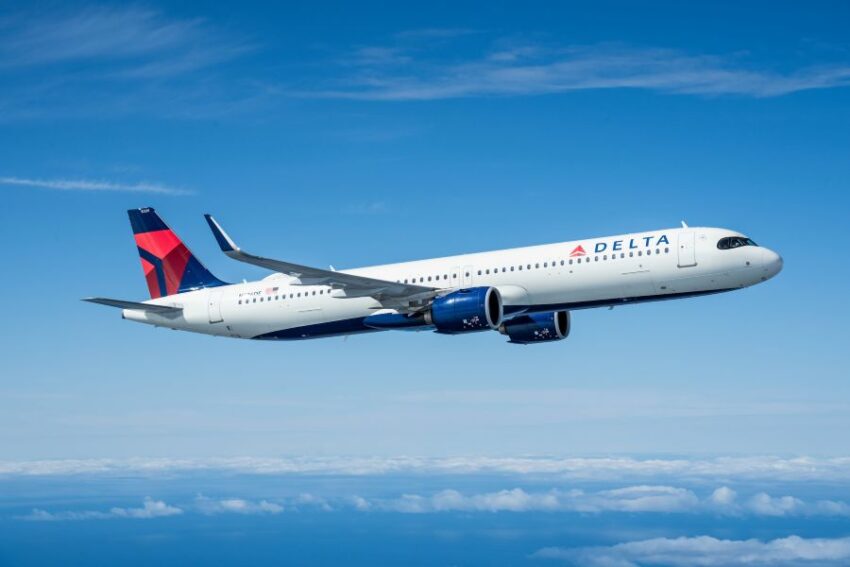
Image generated with Ai
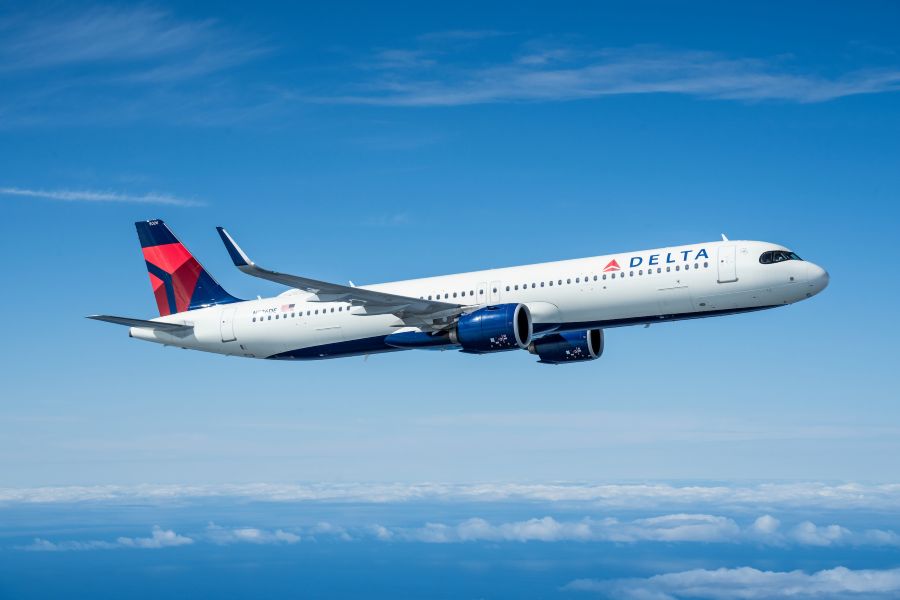
Spain is experiencing a powerful rise in international tourism, strongly supported by increasing air connectivity from the United States. Travel demand from American tourists has grown significantly, driven by a renewed interest in European holidays, cultural exploration, and coastal escapes.
This surge reflects broader changes in global travel behaviour. More travellers are choosing Spain for its mix of heritage cities, Mediterranean beaches, and relaxed lifestyle. Airlines have reported consistently high occupancy rates on routes connecting major US cities with Spanish destinations.
The growing popularity of Spain is also linked to easier travel planning and improved flight availability. As a result, Spain has become one of the most attractive long-haul destinations for American tourists seeking both leisure and cultural experiences.
US Airlines Expanding Capacity and Strengthening Connections
Major US airlines are actively expanding their flight networks to Spain, responding to rising passenger demand. Additional routes and increased flight frequencies are being introduced, especially to key Spanish gateways such as Madrid and Barcelona.
Advertisement
Advertisement
This expansion is improving competition among carriers, which in turn is helping to stabilise fares and provide travellers with more flexible options. Airlines are also adjusting schedules to meet seasonal demand, particularly during summer holidays and festive travel periods.
The improved connectivity is making Spain more accessible not only to frequent travellers but also to first-time visitors. Direct flights reduce travel time and make long-haul journeys more convenient, further encouraging tourism growth between the United States and Spain.
Advertisement
Advertisement
Madrid and Barcelona Lead Spain’s Tourism Growth
Spain’s major cities, particularly Madrid and Barcelona, are at the centre of this tourism expansion. These urban hubs are experiencing increased visitor numbers from international markets, especially North America.
Madrid continues to attract travellers interested in art, history, and cultural institutions. Its museums, royal landmarks, and vibrant city life remain key highlights. Barcelona, on the other hand, draws visitors with its unique architecture, beachside atmosphere, and lively street culture.
Advertisement
Advertisement
The rise in tourism is also benefiting smaller businesses, including restaurants, local tour operators, and retail shops. Visitors are spending more time exploring neighbourhoods beyond traditional tourist zones, helping distribute tourism benefits more widely across the cities.
Economic Strength and Infrastructure Development
The growth in tourism supported by US airlines is playing an important role in strengthening Spain’s economy. Tourism remains a key pillar of national income, and rising visitor numbers are boosting multiple sectors including hospitality, transport, and entertainment.
Hotels are reporting stronger occupancy levels, while local tourism services are experiencing increased demand. This is also creating more employment opportunities in the hospitality and service industries.
To support this growth, Spain continues to invest in airport infrastructure and transport systems. Major airports are enhancing passenger capacity, improving efficiency, and modernising facilities. These upgrades are essential to manage rising international arrivals and ensure smooth travel experiences.
Enhanced Travel Experience for Global Tourists
Travellers flying from the United States to Spain now benefit from improved convenience and flexibility. More flight options allow tourists to choose schedules that best suit their travel plans. Competitive pricing also makes Spain more accessible across different budget ranges.
Once in Spain, visitors benefit from a well-developed transport network. High-speed trains connect major cities quickly, allowing tourists to explore multiple destinations within a single trip. This ease of movement enhances the overall travel experience.
Tourism services are also becoming more personalised, with travel operators offering curated cultural experiences, food tours, and heritage routes. These developments make Spain an increasingly attractive destination for immersive travel.
Positive Outlook for Spain’s Tourism Future
Spain’s tourism sector is expected to continue its upward trajectory as international demand remains strong. The partnership between growing US travel interest and expanding airline connectivity is likely to further strengthen in the coming years.
More direct routes and increased flight capacity are anticipated as airlines respond to sustained demand. This will continue to position Spain as a leading destination in global tourism.
At the same time, Spain is focusing on sustainable tourism practices to ensure long-term balance between visitor growth and cultural preservation. Efforts are being made to manage tourist flows responsibly while maintaining the quality of visitor experiences.
Overall, Spain stands at the centre of a strong tourism expansion cycle, driven by aviation growth, rising global interest, and improved travel accessibility from the United States.
