
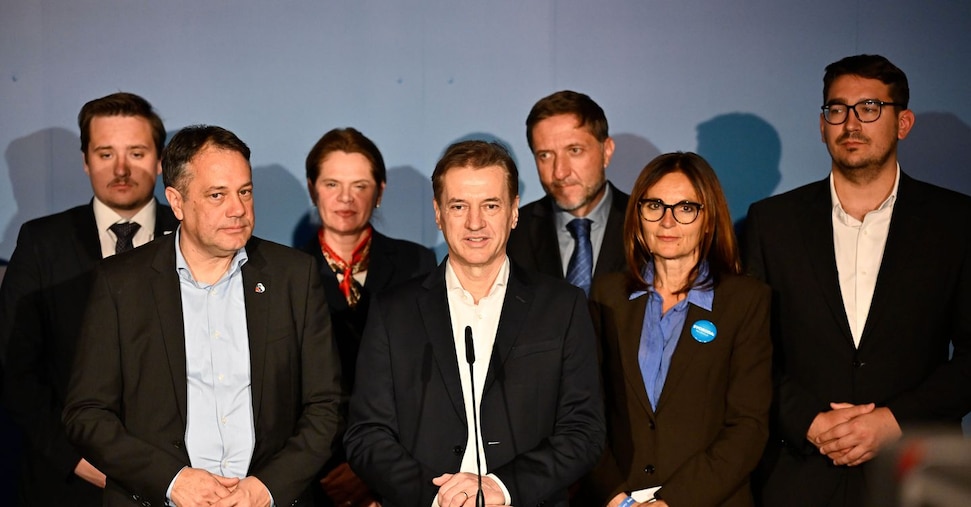
Miro Hacek, a political analyst at the University of Ljubljana, said that the strategic vote strengthened support for the two main parties, further complicating the formation of alliances after the elections.
The tight result in the EU member state of 2.1 million inhabitants came after a heated election campaign marred by accusations of foreign interference and the release of a series of videos alleging corruption among Golob’s allies. The security services reported the visit of a private Israeli intelligence company, which allegedly held talks at Jansa’s party headquarters. Jansa denied any involvement in the operation.
Golob’s victory came despite fears that those videos could damage his reputation among voters and provide arguments for Jansa. “This election was a referendum on corruption,” Jansa said on Sunday evening, adding that in light of the results, it seems that the majority of voters are not yet ready to condemn it.
Golob, a 59-year-old former government president, ousted Jansa in 2022 after months of anti-government protests, promising to undo measures he felt undermined democracy. If he manages to form a coalition in the coming weeks, he will be the first premier to hold the office for two consecutive terms since the 1990s.
The right-wing populist Jansa, 67, is an admirer of Donald Trump and shares many elements of the US president’s political style, including clashes with the media. He promised to cut taxes, tighten immigration policies and limit funding to non-governmental organisations that criticise him. The possible involvement of an Israeli company has also highlighted the different visions of the favoured candidates on the Middle East in this heated election campaign.