
Published on
March 24, 2026
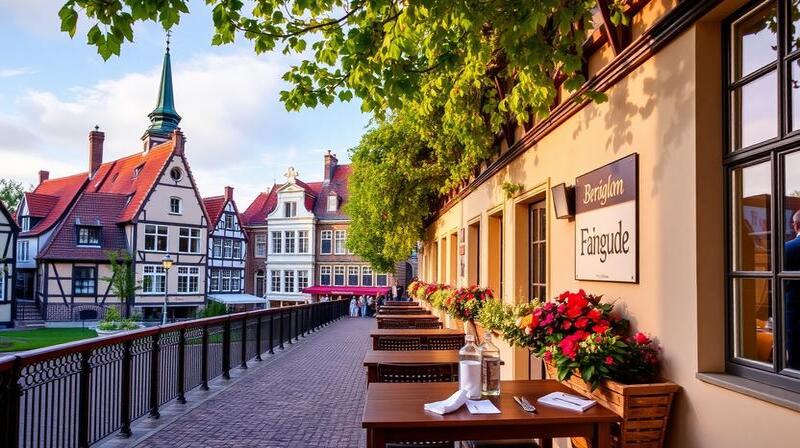
Image generated with Ai
Netherlands overtake Germany and France as Flanders tourism soars in 2025 with 15.4 million visitors and overnight stays climbing to 36.3 million.
Flanders experienced a significant rise in tourism in 2025, welcoming an estimated 15.4 million visitors, representing a 3 per cent growth compared to the previous year. The region also recorded an impressive increase in overnight stays, reaching a total of 36.3 million, highlighting Flanders as a thriving destination for both domestic and international travellers. This growth reflects the region’s expanding appeal, diverse attractions, and well-developed infrastructure that continues to captivate a wide spectrum of visitors.
Domestic and International Travel Fuel Tourism Growth
Domestic tourism contributed strongly to the overall growth, with around 7 million local visitors exploring the region, an increase of 2 per cent over 2024. International tourism played an equally significant role, with 8.3 million foreign travellers choosing Flanders as their destination, marking a 3 per cent increase. The blend of domestic and international travel demonstrates the region’s ability to attract a diverse range of visitors seeking cultural, historical, and leisure experiences.
Neighbouring countries dominate international travel to Flanders, with the Netherlands accounting for the largest share of international tourists, closely followed by Germany and France. This trend underscores the strong regional connections and ease of access for travellers from surrounding European nations. International tourists primarily explore cultural hubs and historical cities, while domestic visitors are more inclined towards coastal regions and nature-focused escapes.
Advertisement
Advertisement
Cultural Cities Draw International Tourists
The cultural cities of Antwerp, Ghent, Bruges, Leuven, and Mechelen remain major magnets for international tourists, offering rich architectural heritage, museums, historic landmarks, and vibrant city life. These urban destinations combine centuries-old charm with modern amenities, attracting visitors who seek immersive cultural experiences. City centres boast a variety of attractions including historic squares, cathedrals, canal networks, and renowned shopping districts, creating an unforgettable travel experience that blends history with contemporary culture.
In contrast, domestic visitors show a strong preference for Flanders’ coastal towns and seaside destinations. The coast offers beaches, boardwalks, and recreational activities, making it a popular choice for families and individuals seeking relaxation, outdoor adventure, and weekend getaways. Coastal tourism continues to contribute significantly to regional economic growth while maintaining a focus on family-friendly and accessible experiences.
Advertisement
Advertisement
Provincial Tourism Highlights Show Broad Appeal
Tourism across the provinces of Flanders is widely distributed, with each area offering distinct attractions and experiences. West Flanders recorded the highest number of visitors, with 4.3 million arrivals, reflecting the popularity of both cultural sites and coastal destinations. Antwerp followed with 2.7 million tourists, driven by the city’s historical architecture, cultural events, and urban attractions.
Other provinces, including Limburg, Flemish Brabant, and East Flanders, each received approximately 1.5 million visitors. This balanced provincial distribution indicates that tourists are exploring beyond major cities, discovering lesser-known areas, regional landmarks, and natural landscapes that enrich the overall travel experience. Provinces with a mix of cultural, historical, and natural attractions are increasingly attracting repeat visitors and extending average stays.
Museums and Attractions Continue to Engage Visitors
Flanders’ museums and attractions collectively welcomed 27.4 million visits in 2025, showing a modest growth of 0.9 per cent. Cultural institutions, historic sites, and exhibitions remain strong draws for both domestic and international tourists, highlighting the region’s rich artistic and historical heritage. Museums alone attracted 6.8 million visitors, demonstrating continued interest in curated cultural experiences and the preservation of history.
Outdoor attractions remain particularly popular, with nearly 40 per cent of visits focused on amusement parks, zoos, recreation areas, and nature parks. These sites provide entertainment for families, educational experiences for children, and leisure opportunities for all age groups. High-profile attractions such as amusement parks, historic cathedrals, and scenic canal tours continue to lead visitor preferences, showcasing Flanders’ versatility as a travel destination.
Top Tourist Destinations in Flanders
Certain locations consistently draw the highest visitor numbers due to their iconic status and accessibility. Amusement parks offer entertainment for children and adults alike, while historic cathedrals, city tours, and canal cruises provide unique cultural experiences. Scenic landscapes, nature reserves, and recreational parks contribute to a well-rounded tourism offering, ensuring that visitors can tailor their experiences to personal interests, whether cultural, leisure-based, or nature-focused.
Accessibility and Affordability Are Driving the Next Phase of Tourism
Tourism authorities in Flanders are increasingly focused on accessibility and affordability, aiming to make regional travel available to all visitors. Measures are being developed to ensure that families with limited budgets can enjoy day trips, weekend escapes, and cultural experiences without financial barriers. The focus on inclusive tourism aims to expand participation while maintaining quality, sustainable, and diverse visitor experiences.
This strategic emphasis on affordability, combined with ongoing investment in infrastructure, attractions, and cultural initiatives, ensures that Flanders remains a competitive and appealing destination in Europe. By broadening access and promoting diverse offerings, the region is set to sustain its upward trajectory in tourism, attracting both first-time and repeat visitors.
Tourism Trends Show Long-Term Growth Potential
The 2025 data confirms that Flanders’ tourism sector continues to grow steadily, supported by strong demand from both domestic and international markets. Cultural cities, coastal regions, museums, and outdoor attractions form the core of this growth, with provincial diversity ensuring that visitors experience a wide range of offerings. Tourism growth not only contributes to the regional economy but also supports local businesses, hospitality services, and community initiatives.
As visitor numbers rise, overnight stays increase, and attractions expand, Flanders is poised to strengthen its reputation as a top European destination for cultural exploration, leisure travel, and nature experiences. With an emphasis on inclusive, accessible, and high-quality tourism, the region offers an increasingly appealing and memorable travel experience for all visitors.
