
- by croatiaweek
- March 25, 2026
- in
ZAGREB, 25 March 2026 – Croatia remains well positioned to manage global energy disruptions and there is no risk of fuel shortages, Prime Minister Andrej Plenković has said.
Speaking during the programme A sada Vlada, Plenković addressed a series of global and domestic challenges, including volatility in global energy markets, potential security risks and possible migration pressures.
The Prime Minister noted that recent geopolitical developments in the Middle East, including attacks involving Israel, the United States and Iran, have pushed global oil prices sharply higher.
Before the conflict escalated, oil was trading at around $70 per barrel, but prices quickly surged to about $100, briefly climbing even higher.
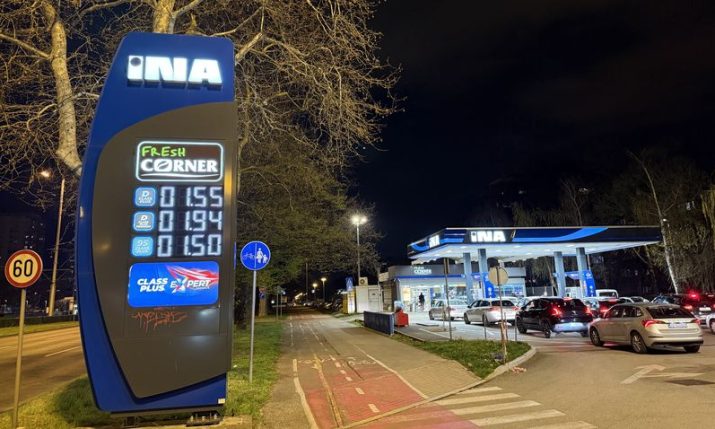
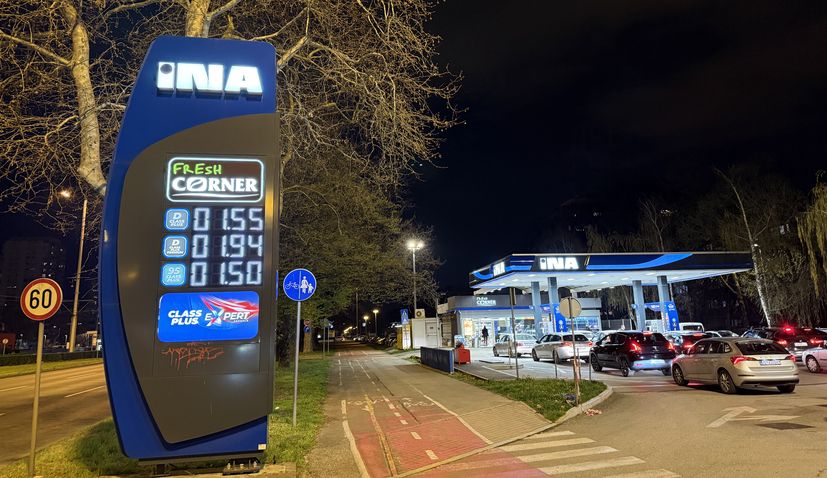
According to Plenković, such increases inevitably affect fuel prices worldwide. However, Croatia is prepared to cushion the impact.
The government has introduced its 10th package of support measures, worth €450 million, designed to mitigate the effects of the new energy crisis. The package focuses on limiting the rise in fuel and liquefied petroleum gas prices while also providing targeted assistance to sectors most affected.
Support includes €20 million for agriculture and €8 million for the fishing industry, alongside continued assistance for vulnerable energy consumers.
Price regulations on key energy products will remain in place for the next six months, until 1 October, ensuring stability for households and businesses.
Plenković emphasised that energy security remains a top priority. Croatia benefits from key strategic infrastructure, including its oil terminal, refinery and LNG terminal, which together strengthen the country’s resilience during global supply disruptions.
“We are energetically well positioned,” the Prime Minister said, adding that the government remains in constant communication with distributors to maintain stable supply and acceptable fuel prices.
Part of the cost of keeping prices down has been absorbed through reduced excise duties, while distributors have also taken on part of the burden.
Plenković also urged citizens not to panic or rush to fill fuel tanks, stressing that the government will ensure supplies remain stable.
Looking to the future, he highlighted the importance of accelerating Croatia’s transition to renewable energy sources to reduce dependence on imported fossil fuels.
Despite global uncertainty, Plenković said Croatia’s economy is now significantly stronger than in previous crises.
The country’s GDP has grown from €47 billion when he took office to €93 billion in 2025, with projections reaching €98.5 billion this year and surpassing €100 billion by 2027.
He added that responsible fiscal management and declining public debt have helped make Croatia more resilient in times of global instability.